Three days is enough to taste the south coast without rushing. This plan uses Galle Fort as the anchor, then moves east to Mirissa for the sea. Swap days around to suit the weather and your energy, and treat the timings as a guide.
Day one: Galle Fort
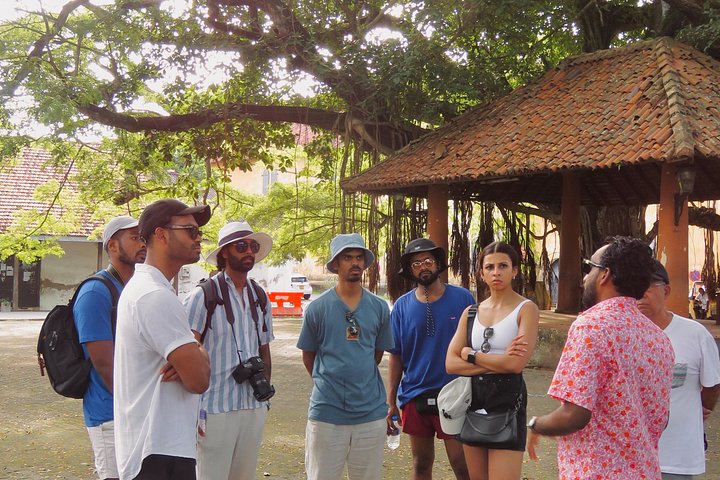
Start early, before the heat. Walk the ramparts from the main gate toward the lighthouse, stopping at the Flag Rock bastion and the Meeran mosque, then drop into the lanes to see the Dutch Reformed Church and the clock tower. Join a heritage walk if you want context. Have a long, shaded lunch in a courtyard restaurant, and rest during the hottest hours. In the late afternoon, return to the walls to watch the sun go down over the sea. If you like cooking, swap the morning walk for the market tour and cooking class, which gives you a taste of the food you will see everywhere on the coast.
Evening in the fort
Choose a restaurant with a table in a courtyard or on a rooftop, and try a rice-and-curry spread, grilled fish or a plate of crab. Afterward, stroll the lanes while the shops and galleries are still open. The fort is safe and pleasant at night, but dress modestly and respect residents. If you would like a quiet night, ask your hotel to arrange an early breakfast for the next morning.
Day two: Unawatuna and the coast
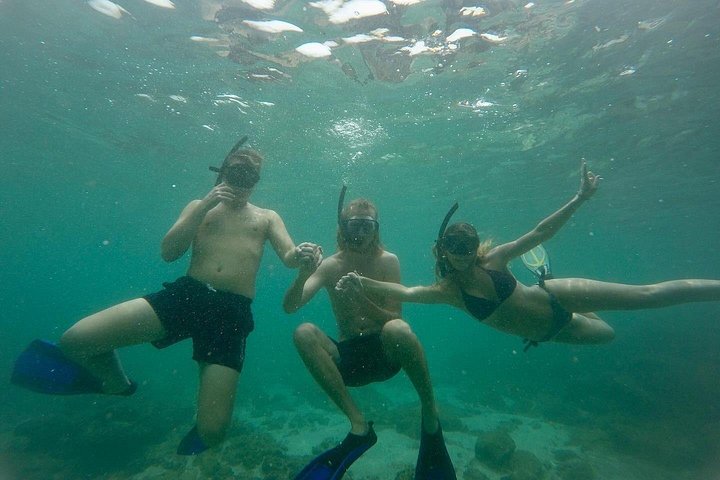
Drive to Unawatuna in the morning and take a short boat trip to Rock Island for snorkeling, or try an introductory scuba dive if you want something more adventurous. Spend the middle of the day on the sand, eat grilled fish at a beachside restaurant and swim in the calm shallows if conditions are safe. In the late afternoon, continue east toward Mirissa, stopping at stilt fishermen spots or a turtle hatchery if the timing works. Settle into your hotel and have dinner on the beach.
Day three: Mirissa and the sea
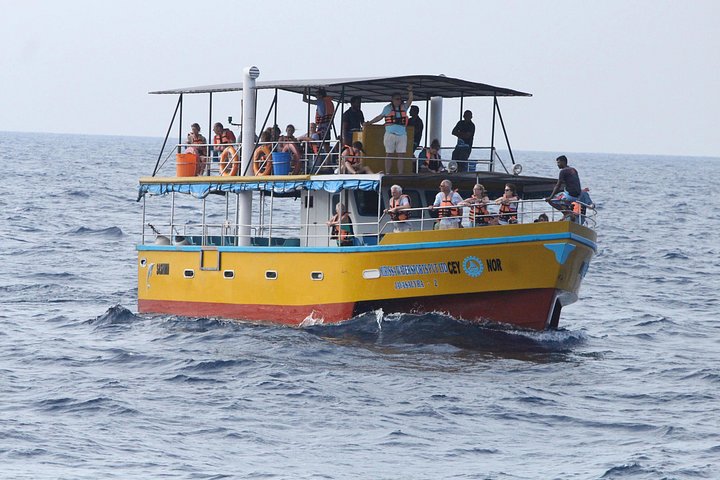
Wake before dawn for a whale and dolphin boat trip, which leaves from Mirissa harbour in the early morning. Take seasickness tablets, wear sunscreen and bring a layer. Back on land by late morning, enjoy a late breakfast, then rest or try a surf lesson in nearby Weligama in the afternoon. If you have energy left, climb Coconut Tree Hill for sunset, and finish with a seafood dinner on the sand. The whale season runs roughly from November to April, so adjust the day if you travel at another time of year.
If you have a fourth day
Add a mangrove boat safari on the Madu River or Bentota Ganga, with a stop at Lunuganga Estate, or head inland for a guided walk in Kanneliya or Sinharaja rainforest. These days are good for contrast, because the forest and river feel a world away from the beach. For a bigger wildlife fix, put aside a day for Udawalawe elephants or Yala leopards.
Transport
A driver for the full three days is the simplest option, because you can set your own start times and stop where you like. Tuk-tuks work for the fort and short hops. The coastal railway is an option for budget travellers, but timetables and crowds can slow the day. Always agree fares or use a meter or app, and keep small notes for tips.
What to pack
Light, breathable clothing, a hat, sunglasses, reef-safe sunscreen, insect repellent, swimwear, a rash vest, a light rain jacket, comfortable walking shoes and sandals. Carry a scarf or sarong for temples and mosques. A small dry bag protects phones and cameras on boats and beaches.
Weather and flexibility
On the south coast, showers can pass quickly, but monsoon months may bring several days of rain and rough seas. Build flexibility into the plan by leaving the water activities for the day with the best forecast and doing fort or museum visits when it rains. Whale watching trips and dives are most likely to be cancelled in rough weather, so avoid booking them for your last morning.
Pacing
Resist the urge to do everything. The heat and humidity make long days tiring, and the best moments on this coast tend to be quiet ones: a cup of tea on the ramparts, a turtle gliding past, a flock of egrets lifting from a mangrove. Leave gaps in your day for them, and you will remember the trip for the right reasons.