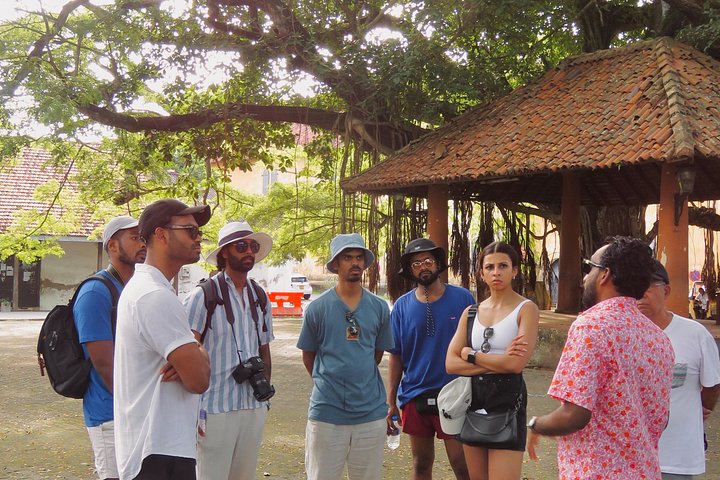
The south coast of Sri Lanka is a strip of palm-fringed beaches, fishing villages, mangrove rivers and colonial history stretching from Bentota in the west to the edge of the safari parks in the east, with Galle Fort at its heart. It is easy to plan once you understand how the pieces fit together. This guide covers the essentials for a first visit.
How many days
Give yourself at least four nights, and ideally six or seven. Two nights in or near Galle Fort lets you walk the ramparts and try a heritage walk or cooking class. A night or two around Mirissa or Weligama covers whale watching, turtle snorkeling and surf. Add a night near Yala or Udawalawe if you want a serious safari. Distances look short on the map, but roads are busy and slow, so a trip of forty kilometres can take over an hour.
Choosing a base
Galle Fort is the best base for culture, food and walking. Unawatuna suits beach lovers and divers, Mirissa and Weligama suit whale watchers and surfers, and Bentota suits families who want a resort with river safaris on the doorstep. You do not need to change hotels every night. Many visitors pick one or two bases and make day trips from them.
Getting around
The most convenient way to see the coast is with a hired car and driver, which is relatively affordable and removes the stress of local driving. Tuk-tuks cover short hops and are fun for the fort and nearby beaches; agree the fare before you set off or use a ride-hailing app. The coastal railway is scenic and cheap, though it can be crowded and slow. For safaris, your hotel or tour operator will arrange jeeps and drivers.
What to book ahead
In the high season from December to March, book hotels, whale watching boats and safari jeeps early. Popular day trips and cooking classes fill up, so reserve a few days before. Guided activities such as the Galle Fort heritage walk, the Madu River boat safari and the Sinharaja rainforest tour are all best arranged ahead, since they depend on set departure times and guides.
The headline sights
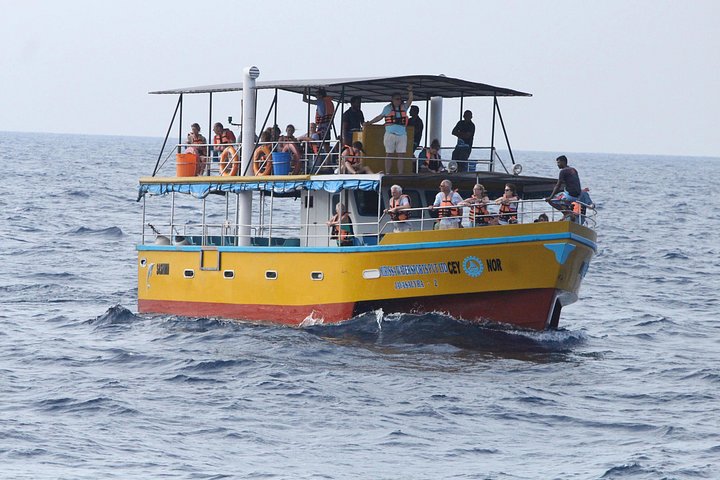
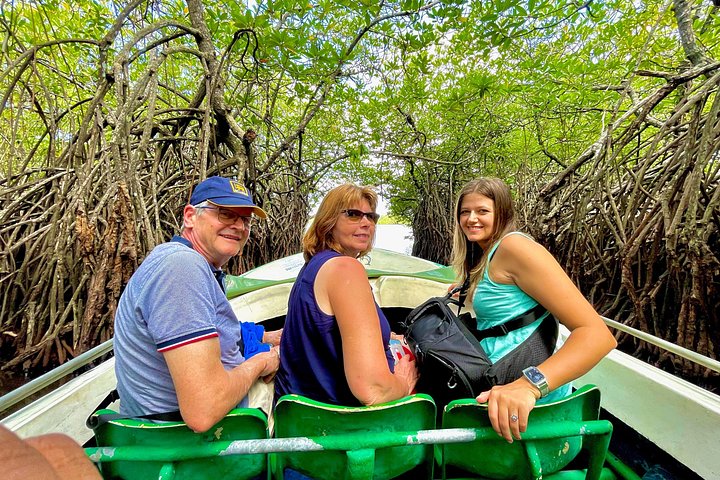
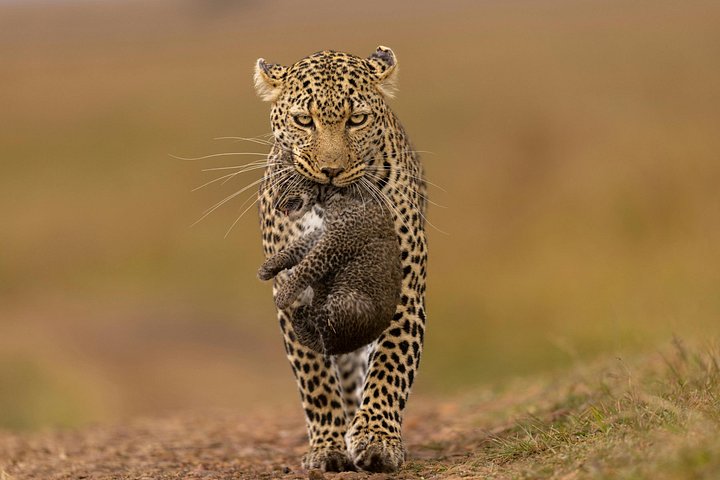
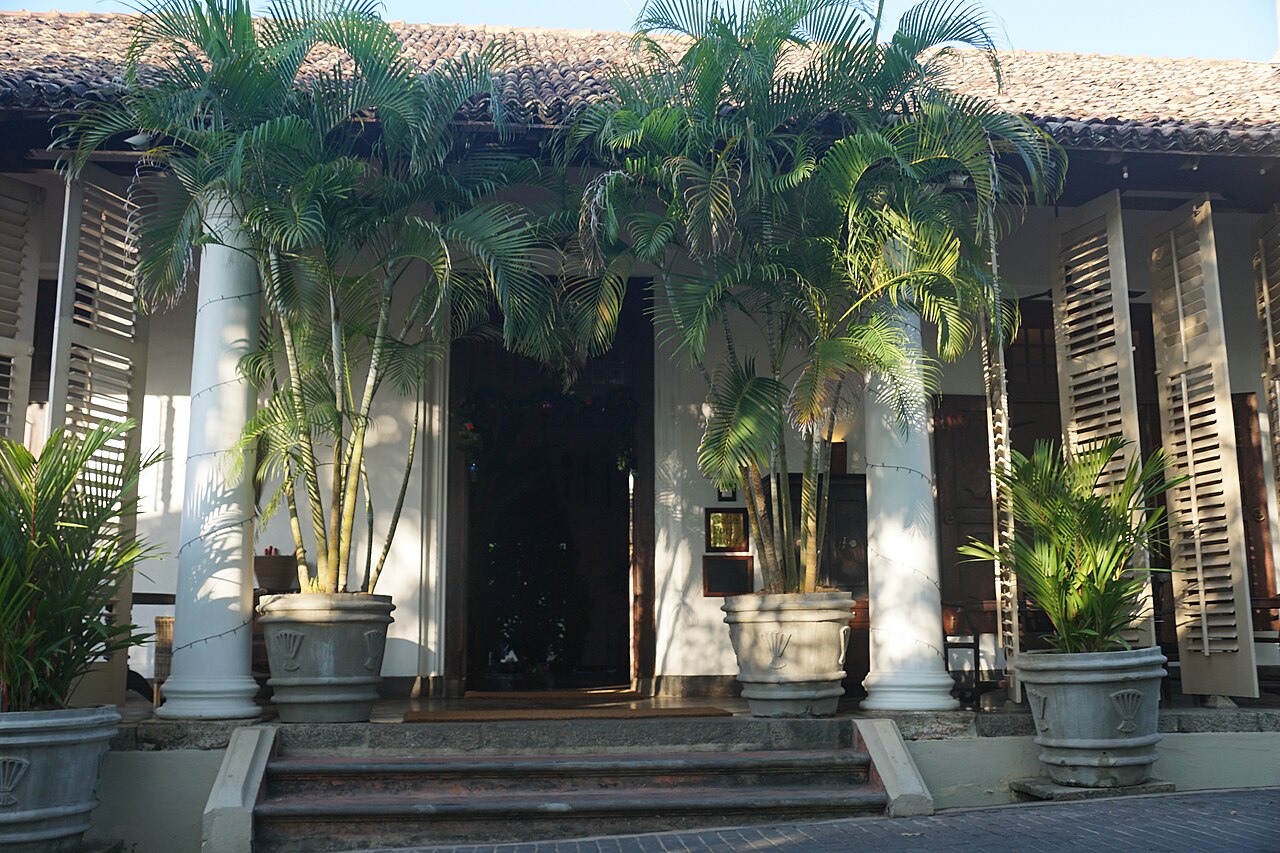
Start with Galle Fort Ramparts, which are free to walk, then add a guided heritage walk to understand the layers of history. Spend a morning on the water at Mirissa looking for whales and dolphins, and an afternoon on the sand at Unawatuna or Weligama. Take a boat through the mangroves of the Madu River or Bentota Ganga, visit Lunuganga Estate if you like gardens and architecture, and consider a day in Sinharaja or Kanneliya rainforest. For big wildlife, plan a safari in Yala, Bundala or Udawalawe.
Free and paid
Walking the fort and many beaches costs nothing. Museums, boat safaris, guided walks, dive sessions and national parks charge fees, and foreign visitors usually pay much more than locals at parks and archaeological sites. Many tours bundle entry fees, but some do not, so check the inclusions when you book.
Money and practicalities
Cards work in hotels and larger restaurants, but cash is needed for tuk-tuks, small cafes, tips and park fees, so carry rupees. ATMs are common in Galle and the larger towns. Most visitors need an electronic travel authorisation before arrival, so check the current entry rules. Drink bottled or filtered water, use strong sunscreen and insect repellent, and expect hot, humid weather all year.
Dress and etiquette
Cover your shoulders and knees when visiting temples, mosques and churches, and remove shoes and hats where required. Beachwear is fine on the beach but not in towns. Ask before photographing people, and treat the fort as a living neighbourhood, because many families live there.
Sea safety
The south coast has strong currents and rough surf, particularly during the southwest monsoon from about May to September. Swim only at beaches with calm water and flags, and follow local advice. Snorkeling and diving are best in the calmer months from about December to April, and boat trips may be cancelled in rough weather.
A simple plan
Arrive and settle into Galle Fort, spend a day walking and eating, move on to Unawatuna or Mirissa for beach and whale watching, add a river safari or a rainforest day, and finish with a safari if you have the time. Keep one day free for weather or rest, because the heat and the road can wear you down. That rhythm of heritage, sea and wildlife is what makes the south coast so rewarding on a first trip.