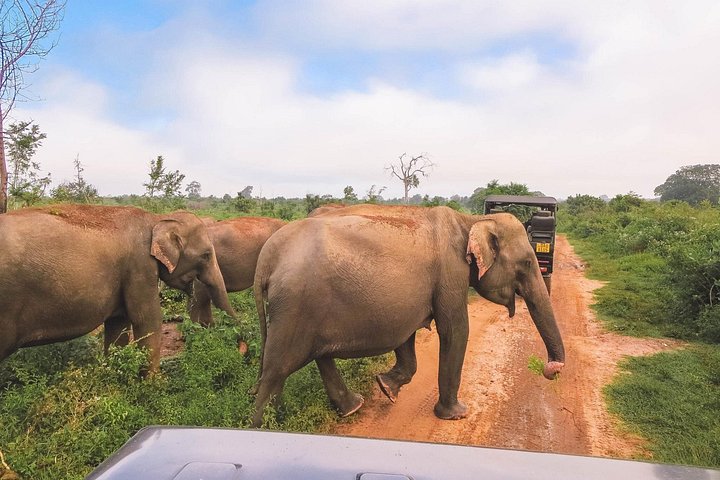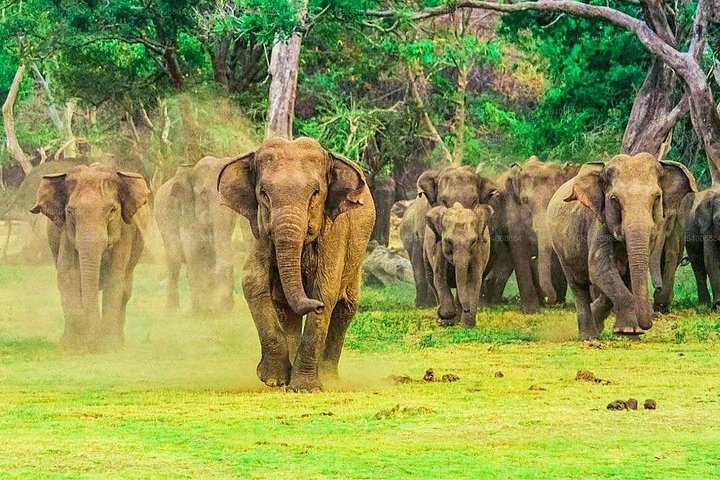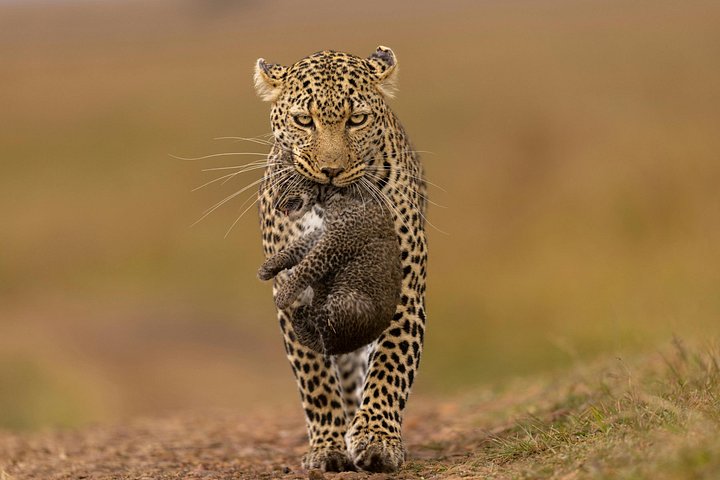
Within a few hours of Galle there are three very different safari parks, each with its own character. Yala is the leopard park, Bundala is a wetland for birds and Udawalawe is the place for elephants. Choosing between them depends on what you most want to see and how much time you have.
Yala National Park
The best-known park in Sri Lanka, Yala is famed for its leopards, but it also holds elephants, sloth bears, crocodiles, deer, buffalo and hundreds of birds. The landscape mixes scrub forest, lagoons, rocky outcrops and grassland, and the busiest section can see queues of jeeps at a good sighting. A private safari with an experienced tracker improves your chances, and an early start is essential. Yala is a long way from Galle, so many visitors stay near the park.
Bundala National Park
A quieter, smaller park near Hambantota, Bundala is a protected wetland of international importance, with lagoons, salt pans and dunes. Between about October and March it fills with migratory birds, including flamingos, pelicans and waders. Elephants and crocodiles also live here. If you love birds, photography or peace, Bundala may suit you better than Yala, and it combines well with a visit to Yala on a two-park trip.
Udawalawe National Park
Centred on a reservoir with open grassland, Udawalawe gives some of the most reliable elephant sightings in Sri Lanka, with herds that can be watched at close range. The nearby Elephant Transit Home cares for orphaned calves and adds a memorable visit to the day. It is the easiest park for families and first-time safari-goers.
Which to choose
For leopards, go to Yala. For flamingos and migratory birds, choose Bundala between October and March. For elephants and a relaxed day, pick Udawalawe. If you have time for only one, Yala offers the greatest variety, while Udawalawe offers the most dependable big-animal sightings. Combining Yala and Bundala makes good use of a stay in the south-east.
Jeeps and drivers
All three parks require visitors to travel in a jeep with a registered driver, and most also use a tracker. Private jeeps give you more control over timing and stops, while shared jeeps cost less and may be crowded. Hotels, tour operators and booking platforms can arrange both. Check what is included, especially entrance fees, which are significant, and whether lunch is provided on full-day trips.
Timing
Dawn and late afternoon are the best times, when animals are active and the light is soft. Morning safaris often start around 5:30, so be ready for an early alarm. Midday safaris are hot and quiet, but sometimes surprising. Full-day trips give you more time and a break for lunch, though they are tiring.
Seasons and closures
The dry months from roughly February to July concentrate animals at waterholes, which helps sightings. Yala generally closes for a short period each year in the driest season, so confirm dates before planning. Heavy rain can make tracks muddy and close sections of the parks. Bundala’s birds are best in the northern hemisphere winter.
Rules and etiquette
Stay in the jeep, keep your voice low, never feed or approach animals and do not leave rubbish. Drivers and trackers share sightings by radio or phone, which can lead to crowding, so ask your driver to be patient and give animals space. Wear muted colours, bring a hat, sunscreen, water, a scarf for dust and binoculars if you have them.
Planning the logistics
From Galle, Udawalawe is around two and a half to three hours by road, Bundala is a little over two hours and Yala is three to four hours. Many travellers break the journey with a night near the parks, which makes dawn safaris far more comfortable. Allow a rest day afterwards, and pair safaris with a gentler activity such as a mangrove river cruise or a beach morning.
Responsible choices
Choose operators that follow park rules, respect wildlife and treat their staff fairly. Avoid any offer that promises guaranteed sightings or encourages close approach to animals. Tip your driver and tracker, and remember that a quiet, patient safari often rewards you more than a rushed one.
Booking tips
Reserve jeeps a few days ahead in the high season, and confirm the pickup time the evening before. Ask whether entrance fees, a naturalist and meals are included, and what happens if the park is closed or weather stops the safari. Keep cash for tips and small purchases, and bring a power bank, since mobile signal and charging points can be limited near the parks.