Hamburg’s food is the food of a port: fish, bread, potatoes, pickles and strong coffee, shaped by centuries of trade with the North Sea, the Baltic and the tropics. It is not a city of elaborate tasting menus, although you can find those too. It is a city where a simple fish sandwich eaten on the quay can be as memorable as a long dinner, and where the best food experiences are often tied to the harbour, the old warehouses and a few local traditions.
The fish roll
The most famous Hamburg snack is the Fischbrötchen, a bread roll filled with fish. The classic choices are pickled herring, smoked mackerel, shrimp, salmon or the fried fish fillet, usually with onion, pickles and a simple sauce. Stalls and bakeries near the Landungsbrücken sell them to people walking along the water, and they are best eaten standing at the rail with a view of the ships. If you are unsure, start with the Matjes roll, which is mild herring with onions, or the smoked salmon. It is cheap, filling and unmistakably Hamburg.
Franzbrötchen and the bakery habit
The city’s own pastry is the Franzbrötchen, a flattened, cinnamon-sugar roll made from laminated dough in a spiral that is crisp on the outside and soft in the centre. Locals eat it with coffee in the morning, and every bakery has its own take, some with chocolate or marzipan. A bakery visit is also the cheapest and quickest breakfast you can have in Germany: a pastry, a roll with cheese or ham and a coffee. Carry a little cash in case a small bakery does not accept cards.
Local dishes to try
Labskaus is the sailor’s dish of the north: corned beef, potato and beetroot mashed together and served with a fried egg and a pickled herring or gherkin. It is not pretty, and it is very hearty, so share it if you are curious. Hamburger Aalsuppe is a sweet-and-sour soup that traditionally includes dried fruit, and in many versions eel, although plenty of kitchens leave the eel out. Pannfisch, pan-fried fish with mustard sauce and potatoes, is the safe, tasty option. For dessert, look for Rote Grütze, a red berry compote served with cream or vanilla sauce. Ask your host or the menu what is currently in season, as the best restaurants change dishes through the year.
Coffee, tea and spices
Hamburg was historically one of Europe’s major ports for coffee, tea and spices, and the warehouse district of the Speicherstadt grew around that trade. Today you can follow the story on the Speicherstadt tour with coffee tasting, which combines the architecture with a tasting of freshly roasted beans, and at Spicy’s Spice Museum, where you can smell and learn about spices from across the world. Both are short, easy visits that suit a rainy morning. The city also has a strong modern coffee scene, with small roasteries and cafés in the Schanze, St. Georg and the Karolinenviertel.
Chocolate
Chocoversum is a hands-on chocolate museum in the Speicherstadt area, where the tour ends with you making and decorating your own bar. It is the one food sight in Hamburg that children and adults enjoy equally, and it makes a good gift-shopping stop.
Drinks
Hamburg’s beer culture is northern and crisp, with pils the usual order, and many bars around St. Pauli serve the local brands. A refreshing local mix is the Alsterwasser, beer and lemonade, which is what Germans call a Radler elsewhere in the country. On a summer afternoon the best seat in town is a terrace by the Alster or the Elbe. In winter, the Christmas markets serve mulled wine in souvenir mugs, with the largest in front of the Rathaus.
Where to eat by neighbourhood
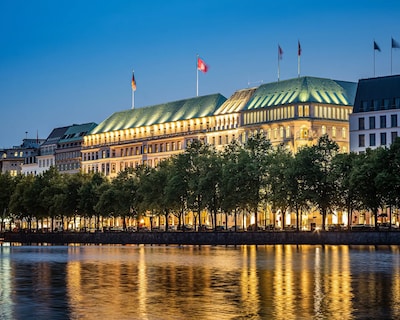
The Schanze and the Karolinenviertel have the widest range of casual cafés and international kitchens. St. Pauli has late-night food, from currywurst to proper dinners. HafenCity has waterfront restaurants with views, usually at higher prices. For the classic grand-hotel experience, the Alster hotels serve afternoon tea and formal dinners. If you want to see how the city eats on a Sunday, the Fischmarkt in St. Pauli opens early in the morning, from five in summer and seven in winter, and mixes market stalls with fish rolls, coffee and live music.
Practical tips
Restaurants in Germany usually expect you to ask for the bill, and tipping is usually done by rounding up or adding a small percentage when you pay. Many kitchens close between lunch and dinner, so check opening times, and book ahead for popular dinner places on weekends. Vegetarian options are widely available, and most menus mark them clearly.