Hangzhou is a four-season city, and each season shows West Lake in a different mood. There is no bad time to go, but there are better and worse times for crowds, weather and the particular things you want to see. This guide explains what each season offers and how to avoid the busiest weeks.
Spring: blossom, tea and rain
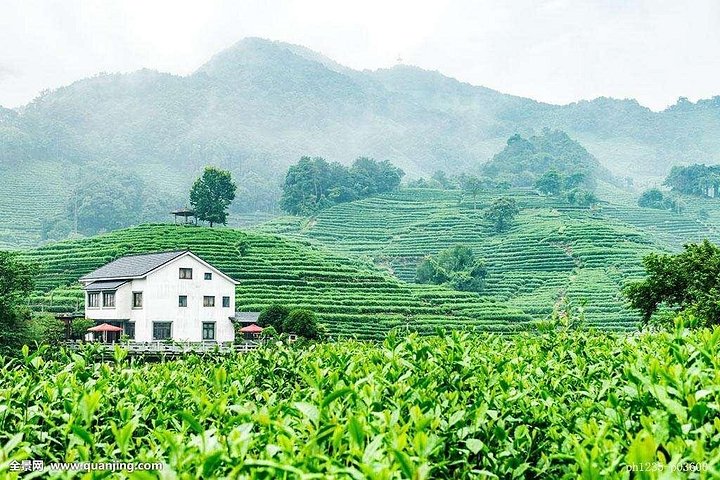
Spring is often named as the best season, and it is easy to see why. Trees along the causeways come into leaf, flowers appear in the gardens and the tea harvest begins on the hills, with the earliest picks of Longjing considered the finest of the year. The weather is mild, but it can be damp and changeable, with light rain falling regularly. The lake is at its most picturesque in soft, misty light. Weekends are busy, and flower viewing days draw big local crowds, so go on weekdays and start early. Pack layers and a light waterproof jacket.
Summer: heat, lotus and evenings
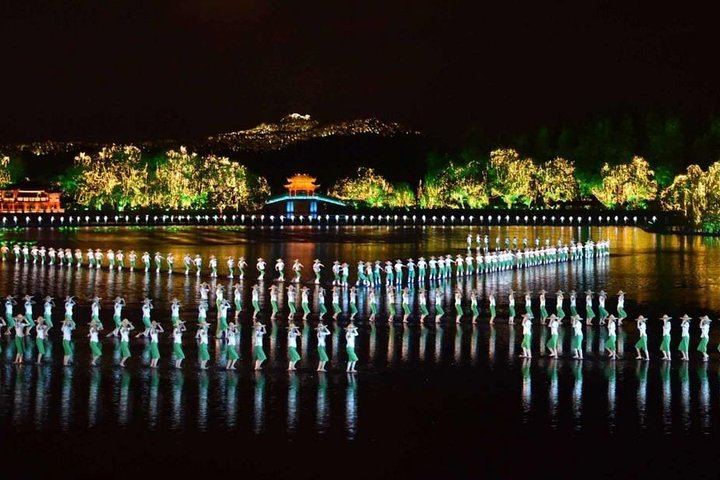
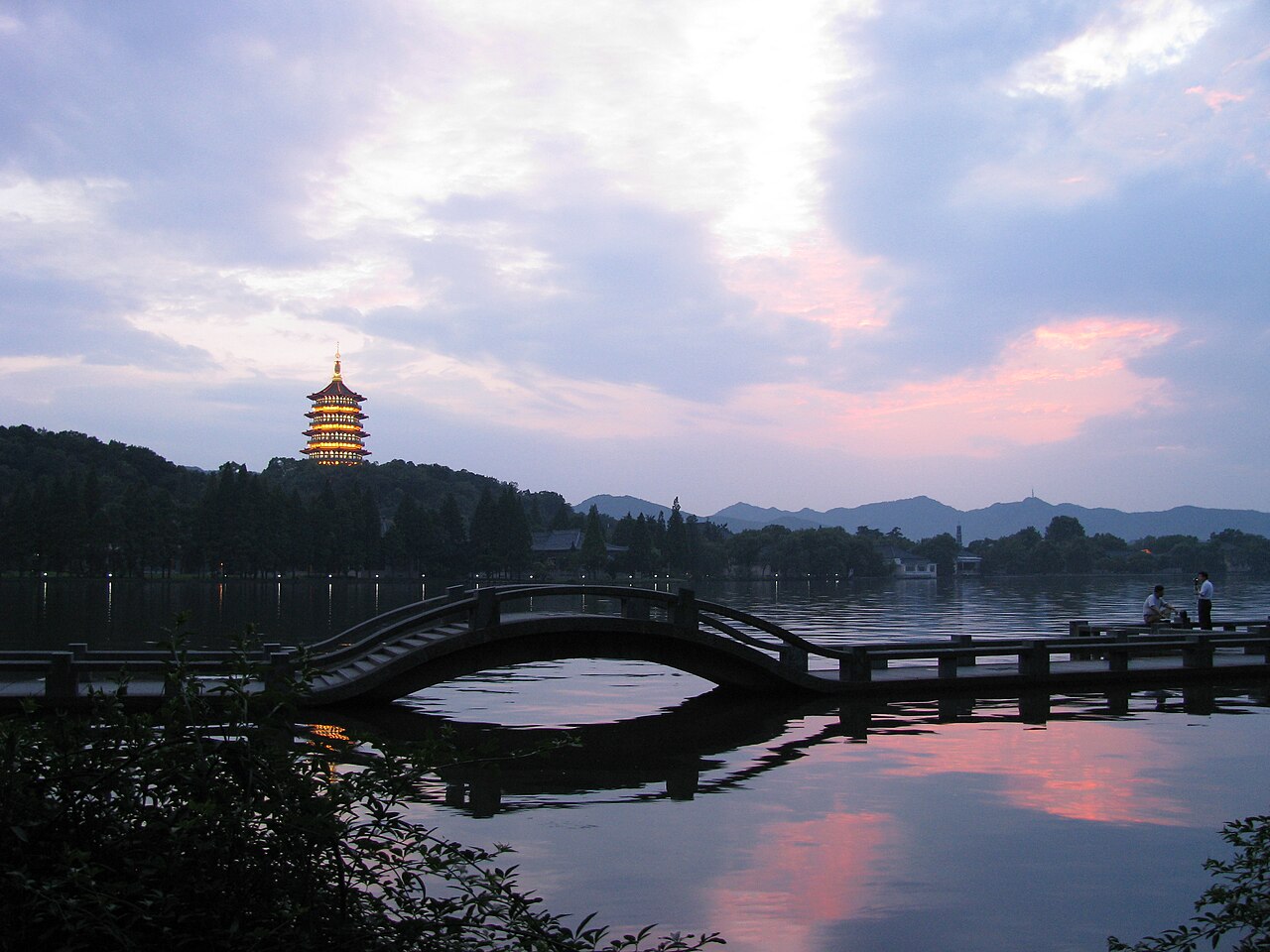
Summers are hot, humid and sometimes stormy, with afternoon temperatures that make long walks tiring. This is also the season of lotus flowers on the lake, and many visitors enjoy the lake in the early morning and in the evening, when the air cools and the shoreline lights up. Outdoor shows such as the Impression West Lake production are at their best in warm evenings, but weather can interrupt them. Shaded places such as the Yunxi Bamboo Path and the stream-side trails in the western hills are good for escaping the heat, and the temples and museums offer air-conditioned relief. Bring sun protection, water and an umbrella that works for both sun and rain.
Autumn: colour and clear days
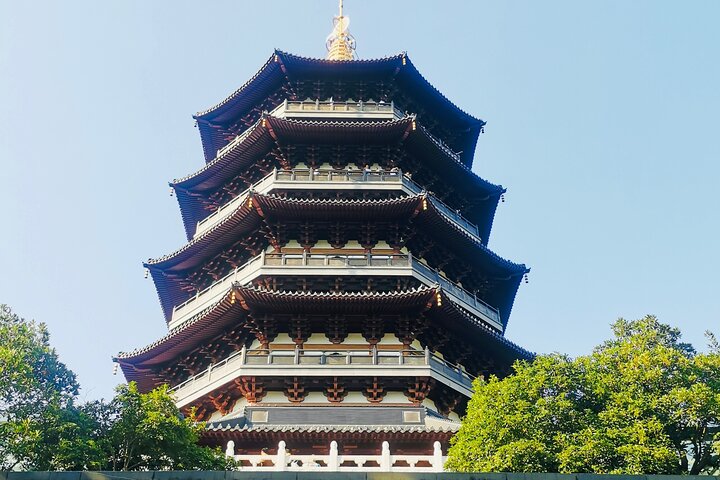
Autumn is the second great season. Humidity falls, the air is crisper and the skies often clear, which makes the views from Leifeng Pagoda and the Six Harmonies Pagoda particularly good. Osmanthus trees bloom in the early autumn and fill parts of the city with a sweet scent, and leaves turn colour in the hills. The weather is comfortable for walking, cycling and boat rides, and the tea hills are golden and calm. Early October is the exception, when the national holiday week brings huge crowds to every sight and prices rise. Late October and November are quieter, with mild, often hazy days.
Winter: mist, quiet and shorter days
Winters are cool and damp, with temperatures that can feel colder than they read because of the humidity. Few places are heated well, so dress warmly and expect cold hotel corridors. The reward is a quiet lake, thinner crowds and the occasional misty or frosty morning that makes the water look like an ink painting. Opening hours at some sights are shorter in winter, so check closing times, especially if you plan a sunset visit. Snow is rare but memorable when it falls. Winter is also the cheapest time for hotels, apart from the Spring Festival period.
National holidays and crowds
The two periods to avoid, if you can, are the Spring Festival holiday and the national holiday week in early October. During these weeks the lake, the old street and the temples are packed, trains and hotels sell out and prices rise. Weekends in spring and autumn can also be busy. If you must travel during a holiday, book early, reserve any timed-entry sights such as Lingyin Temple well ahead, and plan your busiest sights for early morning.
Rain and the plum rains
Hangzhou receives rain throughout the year, with a rainy spell in early summer often called the plum rains. Rain does not have to ruin a visit. The lake in light rain is atmospheric, and museums, tea houses and covered sights such as the Hu Xueyan Former Residence keep you dry. Pack a compact umbrella whatever the season.
What to pack
Comfortable walking shoes, layers, a rain jacket or umbrella, sun protection in warmer months and a power bank for your phone, which you will use for maps, translation and payments. Carry your passport for reservations and some museum entries.
Our pick
If you can choose, go in spring for blossom and fresh tea, or in late October and November for clear light, mild weather and thinner crowds. Whichever season you choose, begin each day early and keep a few hours free for a tea house, because that is how the city is best enjoyed.