Hangzhou is one of the easiest big Chinese destinations to enjoy on a modest budget, because its greatest attraction, West Lake, is free. Add a few more free or low-cost sights, an efficient metro and plentiful cheap food, and you can have a rich trip while spending only on the handful of things that are really worth paying for. This guide shows how.
Start with the free sights
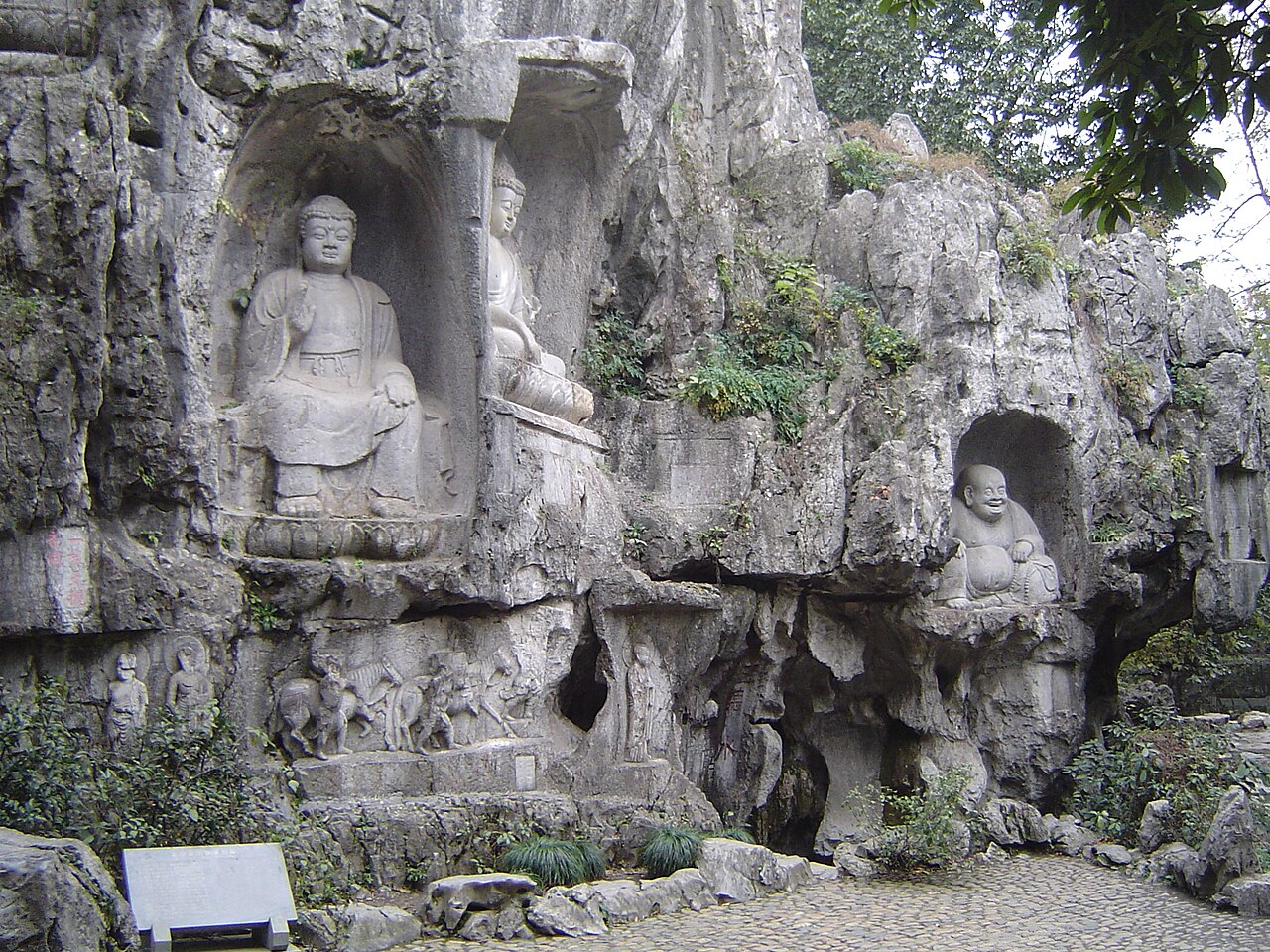
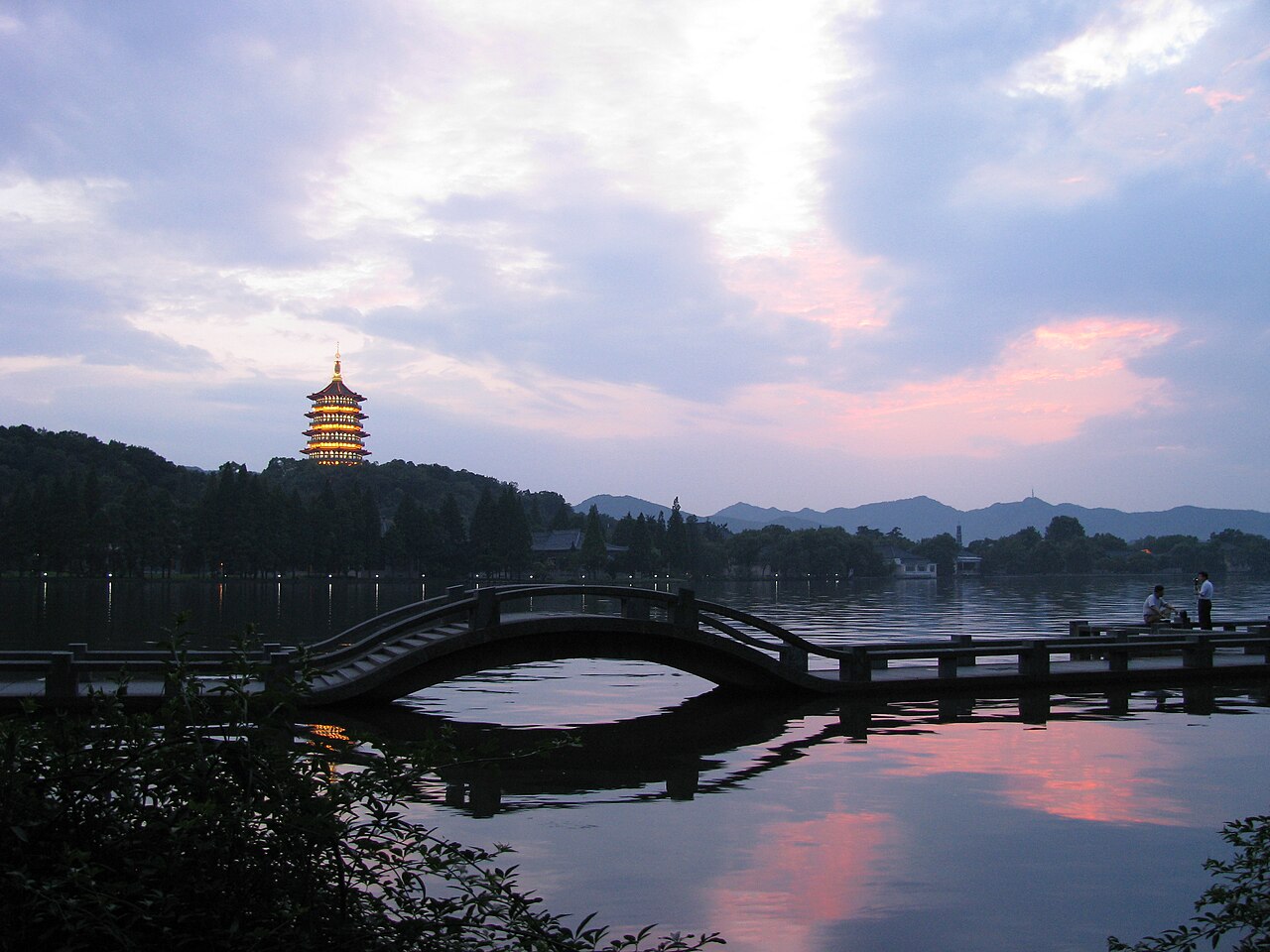
West Lake's shoreline, causeways and main paths cost nothing, and a full day walking or cycling the lake is the best value in the city. Lingyin Temple and the Feilai Feng rock carvings are free to enter, with a real-name time-slot reservation that your hotel can help with. Hefang Street is free to stroll, and the Grand Canal Museum is free to enter with a passport. The China National Tea Museum is free and closed on Mondays. Between them, these cover temples, history, tea and scenery without a ticket.
Choose a few paid highlights
Rather than buying everything, pick the two or three that mean most to you. Leifeng Pagoda gives a high view over the lake for a modest fee, and the Six Harmonies Pagoda is also inexpensive. Impression West Lake is the one big evening show, and its seat grades range from standard to premium, so a standard seat saves money without losing much. Xixi Wetland is a good paid half day if you like boats and nature. Skip the add-ons and souvenirs on tours, and compare shared and private options, since a shared tour is usually cheaper per person.
Getting around cheaply
The metro is clean, efficient and inexpensive, and it reaches most of the main areas. Buses are cheaper still but harder to navigate without Chinese. Ride-hailing is cheap compared with Western cities and is the best option for places the metro does not serve, such as the tea hills. Walking and cycling cost nothing and suit the flat ground around the lake. Share a ride when you are in a group, and avoid taxis at rush hour when fares and delays rise.
Where to stay
The cheapest areas are around the railway station and the Shangcheng streets, where compact business hotels charge far less than lakeside properties. Atour Hotel West Lake Hefang Street is a good example: a simple, clean room with a short walk to the old street and the station. The Mercure in the Xiacheng district offers modern rooms at a fair price a short ride from the lake. Avoid staying on the lakefront if budget is your priority, and travel outside national holiday weeks, when prices rise sharply. Winter is the cheapest season.
Eating well for less
Hangzhou's local food is affordable if you avoid tourist traps. Noodle shops, dumpling counters and small family restaurants serve filling meals at low prices, and food courts in malls offer a wide choice with clear prices. Street snacks around the old quarter are cheap, though the busiest stalls aimed at visitors can be pricey. Order a few shared dishes rather than one per person, and ask for tea, which is usually cheap or free. Save your set-menu splurge for one evening if you want to try the classic dishes, such as West Lake fish and Dongpo pork.
Tea without the trap
A tea tasting is a highlight, but it is also where visitors overspend. Taste as much as you like, but ask the price per weight before you buy, compare with a shop in town and remember that a small amount of good tea goes a long way. The China National Tea Museum gives you a free education before you go to a plantation.
Payments and money
Set up a mobile payment app that accepts foreign cards before you arrive, and keep some cash for small vendors. Cards are accepted in many hotels and larger restaurants, but small places prefer mobile payment. Carry your passport for reservations and free museum entries.
A budget plan
Day one, walk West Lake in the morning, climb Leifeng Pagoda in the late afternoon and graze on Hefang Street in the evening. Day two, Lingyin Temple at your reserved slot, the tea museum and a tea village afternoon. Day three, the Grand Canal Museum and a standard-seat evening show if you can afford it. Three days, a handful of tickets and a lot of memory.