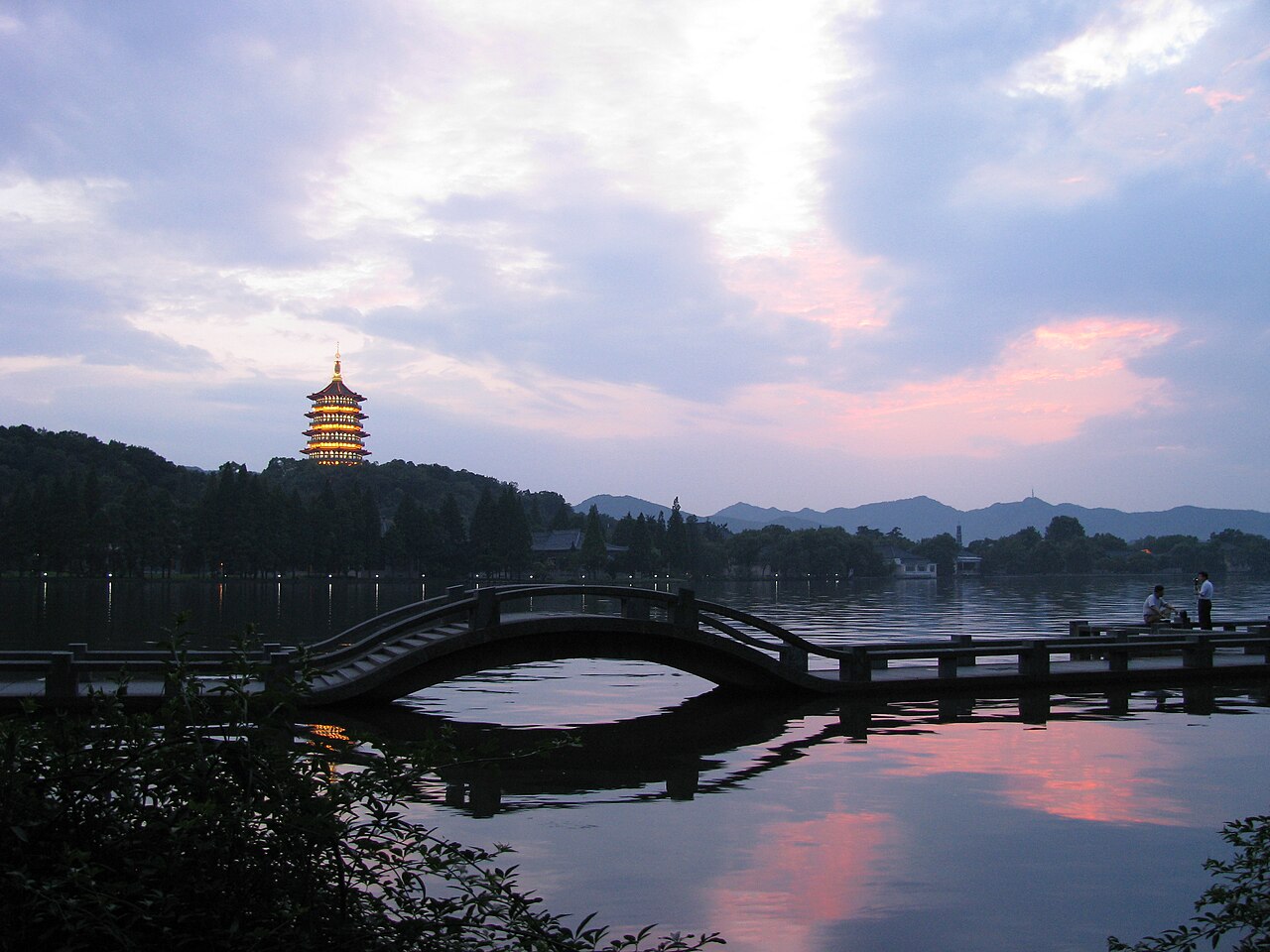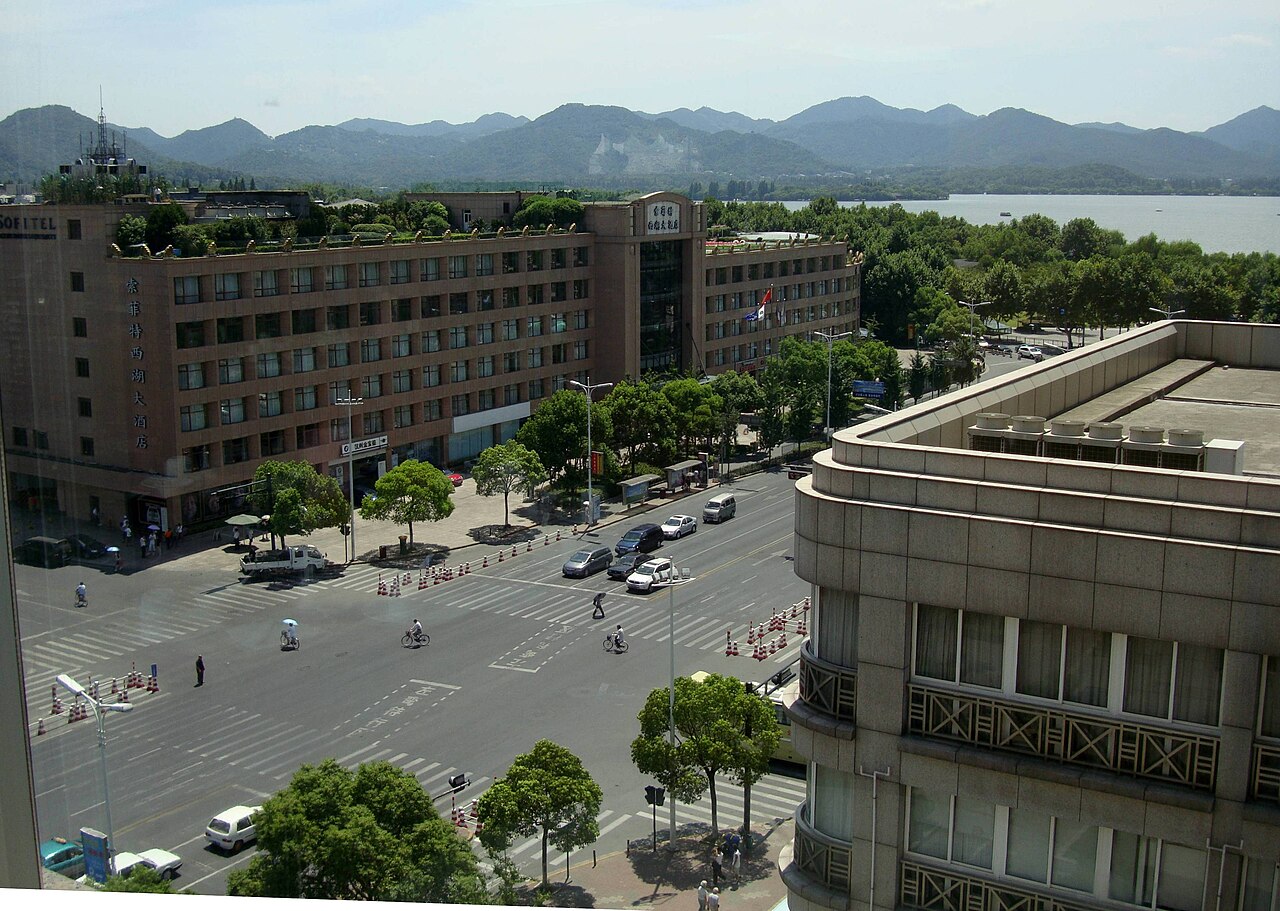
Hangzhou has one of the most refined food traditions in China. It sits in the Jiangnan region, the lush lower Yangtze delta, where rice, fresh water fish, bamboo shoots and tea shape the cooking. The flavours are gentle, slightly sweet and built on fresh ingredients rather than heavy chilli, and the city's long history as an imperial capital means many of its signature dishes have a story attached. This guide covers what to try, where to find it and how to order without stress.
Start with tea
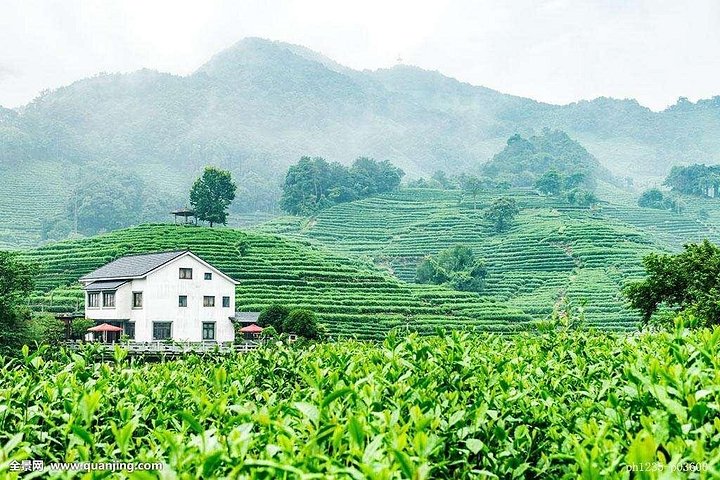
Longjing, often called Dragon Well, is the city's famous green tea, grown on the hills west of the lake. The leaves are flat, pale green and fragrant, with a clean, slightly nutty sweetness. The best place to taste it is in a tea village or at a tea house, where the leaves are brewed in a glass and topped up with hot water throughout the visit. The China National Tea Museum is a free introduction, and a guided visit to a plantation such as the Longjing tea village shows how the leaves are picked and pan-fired. Expect to be offered tea to buy at the end of a tasting. You are under no obligation, but ask the price per weight before you agree, and remember that the highest grades of spring tea are expensive.
The classic dishes
West Lake fish in vinegar sauce is the dish that most visitors are told to try: a freshwater fish poached and covered with a glossy, sweet-and-sour sauce. Its flavour is delicate rather than punchy, and it divides opinion, so treat it as a taste of local history. Dongpo pork, braised belly pork in soy and rice wine, is named after the poet and official Su Dongpo and is tender, rich and sweet. Longjing shrimp pairs river shrimp with tea leaves for a light, fragrant stir-fry. Beggar's chicken, wrapped and slow-cooked, is a showpiece dish often ordered for a group. Many restaurants sell small versions of these dishes, so a couple can sample several without ordering a banquet.
Noodles, dumplings and snacks
For everyday eating, look for local noodles with pickled vegetables or shrimp, small steamed buns and fried dumplings. Street food around the old quarter includes skewers, sweets, fried snacks and sticky rice treats. Hefang Street is the easiest place to graze, although the stalls aimed at tourists are not always the best value, so look for counters with local queues. A guided food walk through an old neighbourhood is a good way to try many things at once, and it can take the guesswork out of ordering.
Where to eat
Around the lake, restaurants range from simple noodle shops to upscale lakeside rooms with views. The east shore and the streets near the Wulin area have the widest choice, with malls full of casual restaurants and an evening market. The tea hills near Longjing and the villages around Lingyin have farmhouse-style restaurants that serve bamboo shoots, free-range chicken and seasonal greens. The Xixi Wetland area has quieter, family-style dining. Hotels often offer a good local menu, and the larger ones have Chinese restaurants worth trying for a first sampling.
Ordering tips
Menus often have photos, and many restaurants now provide a QR code for ordering on a phone. A translation app with a camera function helps greatly. Dishes arrive as they are ready and are shared, so order one dish per person plus rice, and add vegetables for balance. Say if you do not eat meat or seafood, as many sauces are made with pork stock or shellfish. Tap water is not drunk, so ask for bottled water or hot tea. Tipping is not expected.
Payments and practicalities
Many places prefer mobile payment, so set up a payment app that accepts foreign cards before you arrive and keep some cash as a backup. Peak meal times at popular restaurants are busy, especially at weekends and during national holidays, so go early or book ahead if you have a specific place in mind. Lunch is usually from late morning, and dinner starts early.
Drinks beyond tea
Besides tea, look for local craft beer, rice wine, fruit juices and herbal drinks. Rice wine from nearby Shaoxing is a classic accompaniment to the heavier dishes. Bars and live-music venues cluster around the lake and the central districts, and some of the high-rise hotels have rooftop bars with skyline views.
A simple food plan
Begin with a tea tasting in the hills in the morning, enjoy a farmhouse lunch of bamboo shoots and local greens, spend the afternoon on the lake and finish with Dongpo pork, West Lake fish and a plate of dumplings in the old quarter. Add a food walk on a second evening and you will have covered the best of the city's cooking.