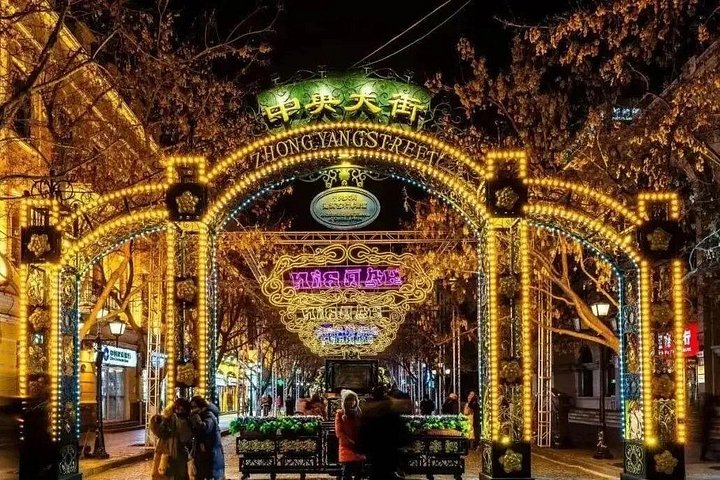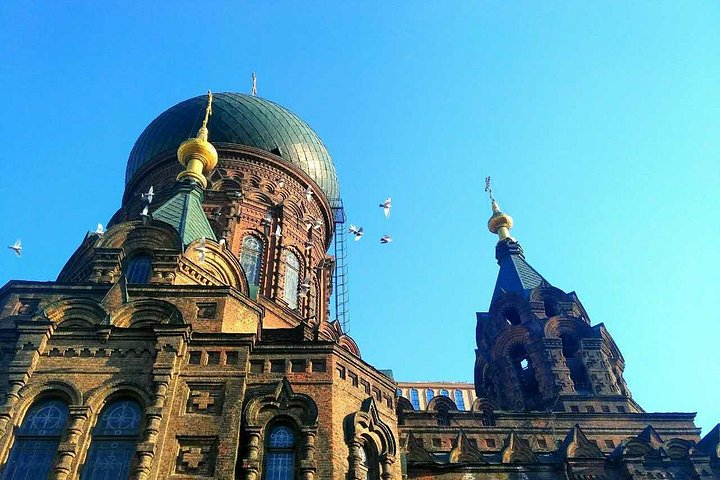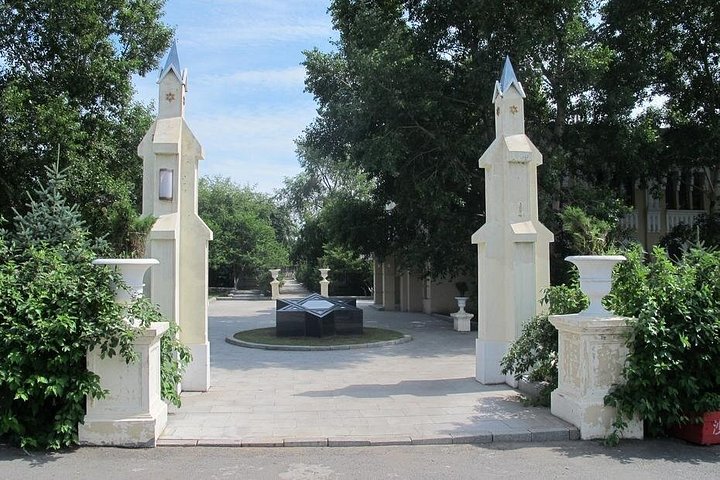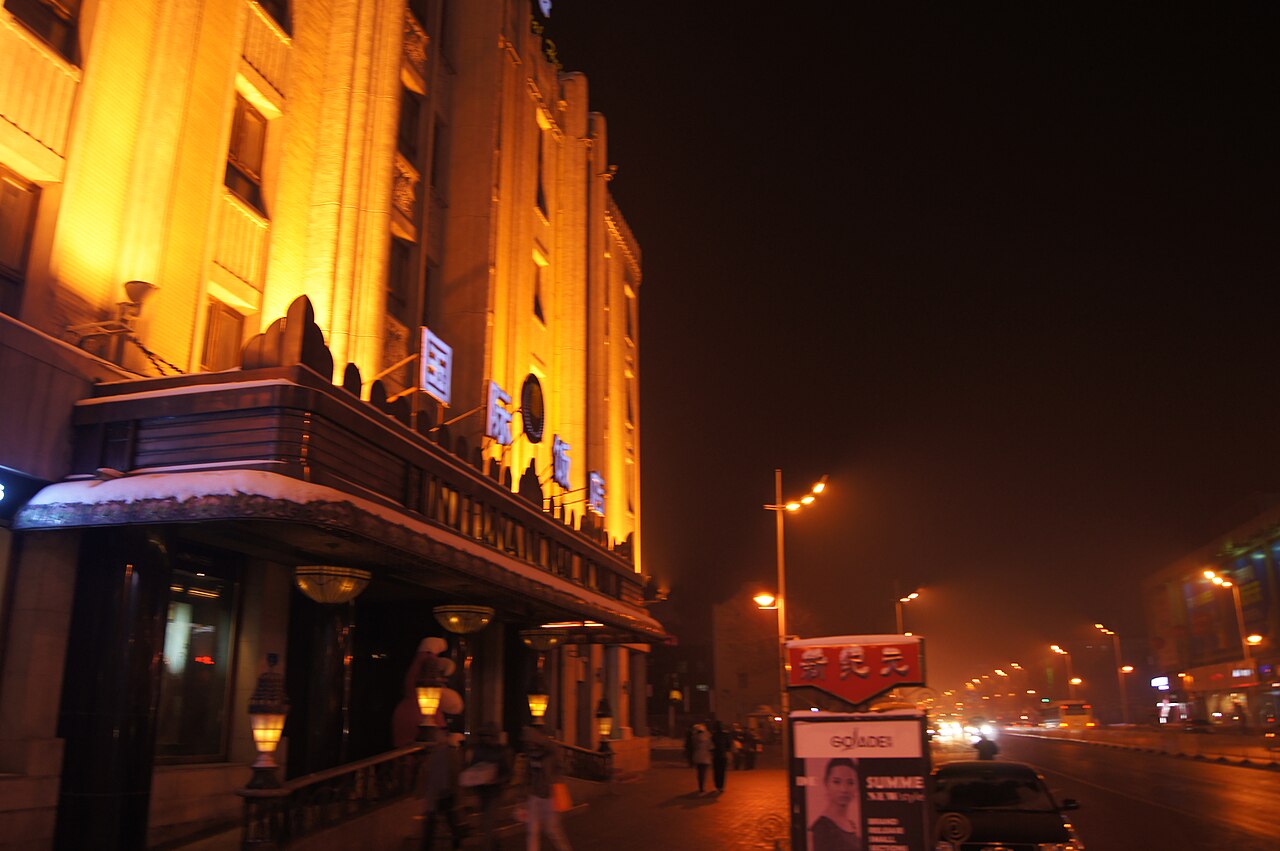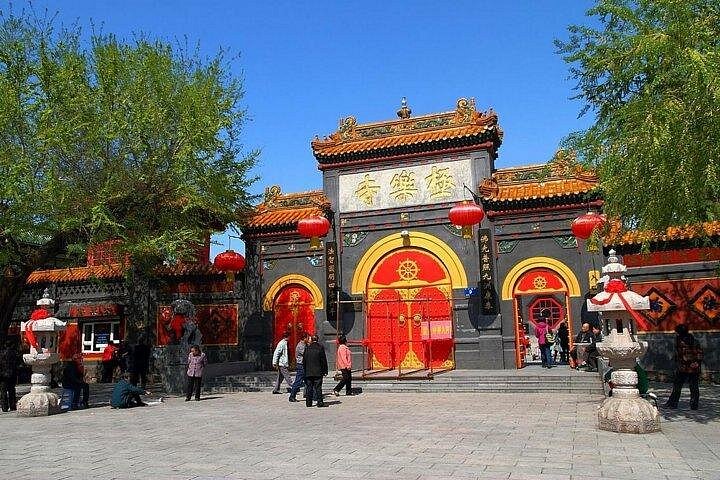
Harbin is known for its European-style architecture, but it also has important traditional Chinese sites that show another side of the city. The Confucian Temple, built in the early twentieth century, is one of the largest in northeast China and is laid out in classical style, with gates, courtyards, halls and a lovely garden setting. Its main hall is dedicated to Confucius, and exhibitions explain the philosophy and the long tradition of scholarship that grew from his teachings. Jile Temple, whose name is often translated as Temple of Bliss, is a large Buddhist complex with gates, halls of the heavenly kings and a tall pagoda. It is an active place of worship, so visitors will see incense burning and worshippers kneeling alongside tourists with cameras. Together, the two sites offer quiet courtyards, red lacquer, carved beams and glazed roof tiles, a very different mood from Central Street. A private half-day tour links them, with a guide who can explain the symbols, the rituals and the history, and who can show how both faiths fit into the local community.
How to visit
The linked product is a private half-day tour that visits both temples, so check the timings, inclusions and the guide's language when you book. The sites are in different parts of the city, which makes a car and guide convenient. Both charge modest admission and have set opening hours, which can vary by season, so confirm before you go.
Dress modestly, with shoulders and knees covered, particularly at Jile Temple, and keep voices low in halls where worship is happening. Photography is usually allowed in courtyards but restricted inside prayer halls, so look for signs.
Incense burns throughout the day, so visitors with respiratory sensitivities may prefer to stay in the open courtyards. Visit in the morning for the quietest atmosphere, and in autumn, when the trees around the temples turn gold, or in winter, when snow settles on the roofs and the red walls stand out vividly. Allow three to four hours in total. Pair the temples with a visit to the Baroque quarter or a lunch of dumplings, and finish with a stroll to the river if the weather is mild.
A little background deepens the visit. The Confucian Temple reflects a time when Harbin's leaders wanted to affirm traditional Chinese education and values alongside the foreign influences in the city, and its halls display the principles of respect, learning and harmony associated with Confucius. Jile Temple, meanwhile, grew out of a Buddhist community that wished to build a major monastery in a city that was mostly known for foreign churches, and its halls contain statues, drums, bells and altars where monks chant at set hours.
Ask your guide about the symbolism of the guardian statues at the gates, the meaning of lighting incense with an odd number of sticks and the stories carved into the roof beams. The contrast between the two sites is part of the pleasure: one is a scholarly, almost museum-like space, and the other is warm with devotion. If you have time, sit in a courtyard for a few minutes and watch the rhythm of visitors coming and going.
What to expect
The experience
A visit to a classical Confucian temple and an active Buddhist temple, with courtyards, halls and a pagoda.
Best time
Morning for a calm atmosphere; autumn and winter for colour and snow.
How long
Three to four hours with a guide.
Tips
Dress modestly, keep voices low and check the photography rules inside halls.
Quick picks
- Best for
- Culture and history travellers who want a calm contrast to the Russian-era streets.
- Families
- Fine for older children; younger ones may tire of the quiet halls.
- Couples
- A peaceful half day, especially in snow.
- Pair with
- Zhongyang Street, the Baroque quarter and a dumpling lunch.
- Time needed
- A half day.
Good questions
Are the temples still in use?+
Jile Temple is an active Buddhist place of worship. The Confucian Temple works largely as a cultural and historical site.
What should I wear?+
Modest clothing with shoulders and knees covered, and warm layers in winter.
Can I take photographs?+
Usually in courtyards, but often not inside prayer halls. Look for signs and ask when unsure.
Is the linked tour private?+
The product is a private half-day tour visiting both temples. Check the details when you book.
What is the best season?+
Autumn for colour and winter for snow on the roofs, though the temples are worth visiting all year.