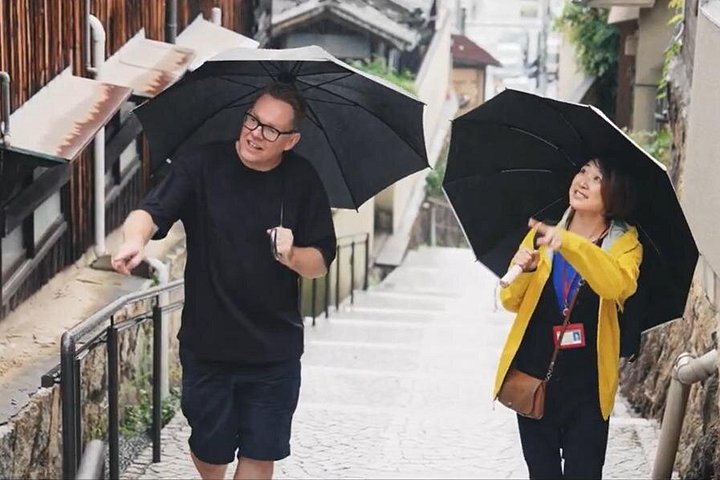
Onomichi climbs steeply from a narrow harbor strait, and its character comes from that slope: temples, small shrines, stairways and old merchant houses wedged between the shore and the hill. A walking route links dozens of temples, and the rope-way up Senkoji hill gives sweeping views over the roofs, the channel and the islands beyond. The town has long drawn writers and filmmakers, and it has a lively cafe, ramen and craft scene tucked in old buildings. Onomichi is also the starting point of the Shimanami Kaido, a roughly sixty-to-seventy kilometer route of bridges and islands that crosses the Seto Inland Sea toward Shikoku and is one of Japan's most popular cycling routes. The guided day trip from Hiroshima is a good way to see the town without worrying about trains and timing, and a licensed guide explains the temples and history. Cyclists can rent bikes in town and ride as far as they like, then return by ferry or bus. The trip is a worthwhile alternative to Miyajima for travelers who want something quieter and less crowded.
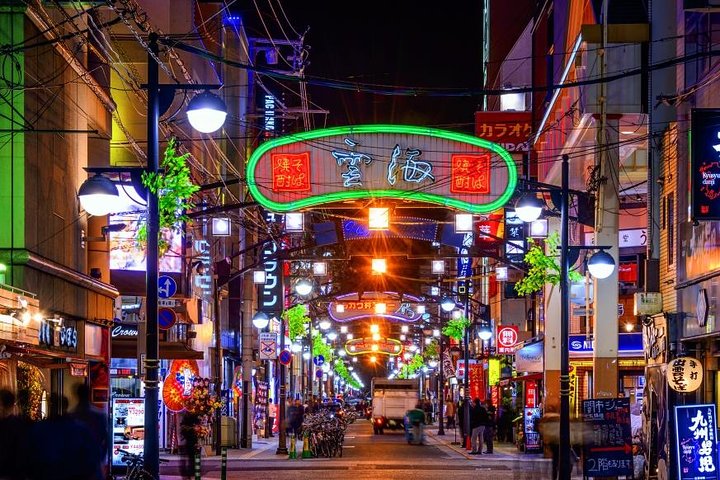
Reaching Onomichi independently takes about one to one-and-a-half hours from Hiroshima by train, usually with a change, so a guided day trip removes the planning. The tour for this entry is a one-day licensed-guide visit to Onomichi, and itinerary details can change by season, so read the current booking page for the exact stops and whether transport is included. Most visitors spend the morning on the temple path and lanes, stop for local ramen, and use the afternoon for the hill, a cafe and shopping in the covered arcade.
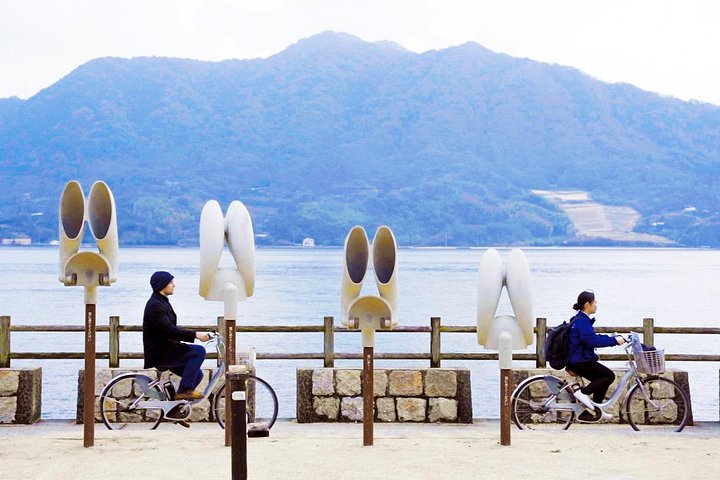
If you want to cycle, treat the Shimanami Kaido as its own plan. A common choice is to ride the first island or two, sampling a coastal stretch, then come back by ferry. Riding the full route takes a long day or an overnight stay for most people, and weather and wind matter, so check conditions. Bikes can be rented in Onomichi and returned at several points along the route. Wear sun protection, carry water and be honest about your fitness, since the bridges have long climbs.
Wear good walking shoes for stairs and slopes, and expect that some small temples have limited hours. Spring and autumn are the best seasons, with cherry blossoms and clear air, and summer is hot. Onomichi pairs well with a night in Hiroshima afterward or an overnight in town for slow mornings. It is also a natural next stop for travelers continuing to Okayama, Shikoku or the Setouchi islands, so consider how it fits your wider route before committing a full day.
What to expect
The experience
A full-day guided visit to Onomichi from Hiroshima with a licensed guide, covering the temple lanes and the hillside; cycling on the Shimanami Kaido is a separate option.
Best time
Spring and autumn for comfort and clear views; avoid peak summer heat for cycling.
How long
A full day including travel.
Tips
Wear shoes for stairs, bring water, check the booking page for current stops and plan bike rental separately if you want to ride.
Quick picks
- Best for
- Travelers who want a quieter, more local day trip than Miyajima, and cyclists curious about the Shimanami Kaido.
- Families
- Good with older children who enjoy walking; the slopes and stairs are tiring for strollers.
- Couples
- Atmospheric lanes, cafes and sea views make for a relaxed day together.
- Pair with
- Okunoshima rabbit island, which can be reached from the same coast, or a later overnight in Okayama.
- Time needed
- A full day, or an overnight if you plan to cycle far.
Good questions
How far is Onomichi from Hiroshima?+
About one to one-and-a-half hours by train, usually with a change, so a guided day trip is convenient.
What is the Shimanami Kaido?+
A cycling and walking route of bridges and islands crossing the Seto Inland Sea from Onomichi toward Shikoku. Many cyclists ride only part of it.
Does the tour include cycling?+
The day trip focuses on the town with a licensed guide. Check the current booking page, and rent bikes in town if you want to cycle.
Is Onomichi hilly?+
Yes. The temple lanes involve many steps and slopes, so wear sturdy shoes.
When should I go?+
Spring and autumn are best. Summer is hot and humid, and some small temples have limited hours.