Three days is enough to see the best of Ibiza without rushing, as long as you group the sights by area. The island is small, but the roads wind and the sights are spread out, so a day built around one part of the island is far more relaxing than a day of zigzagging. This plan uses the free and low-cost sights first and adds optional tours where they are worth the money. Opening times and boat availability change with the season, so check each sight before you set out, and keep one flexible block in case the weather turns.
Day one: Ibiza Town and the old walls
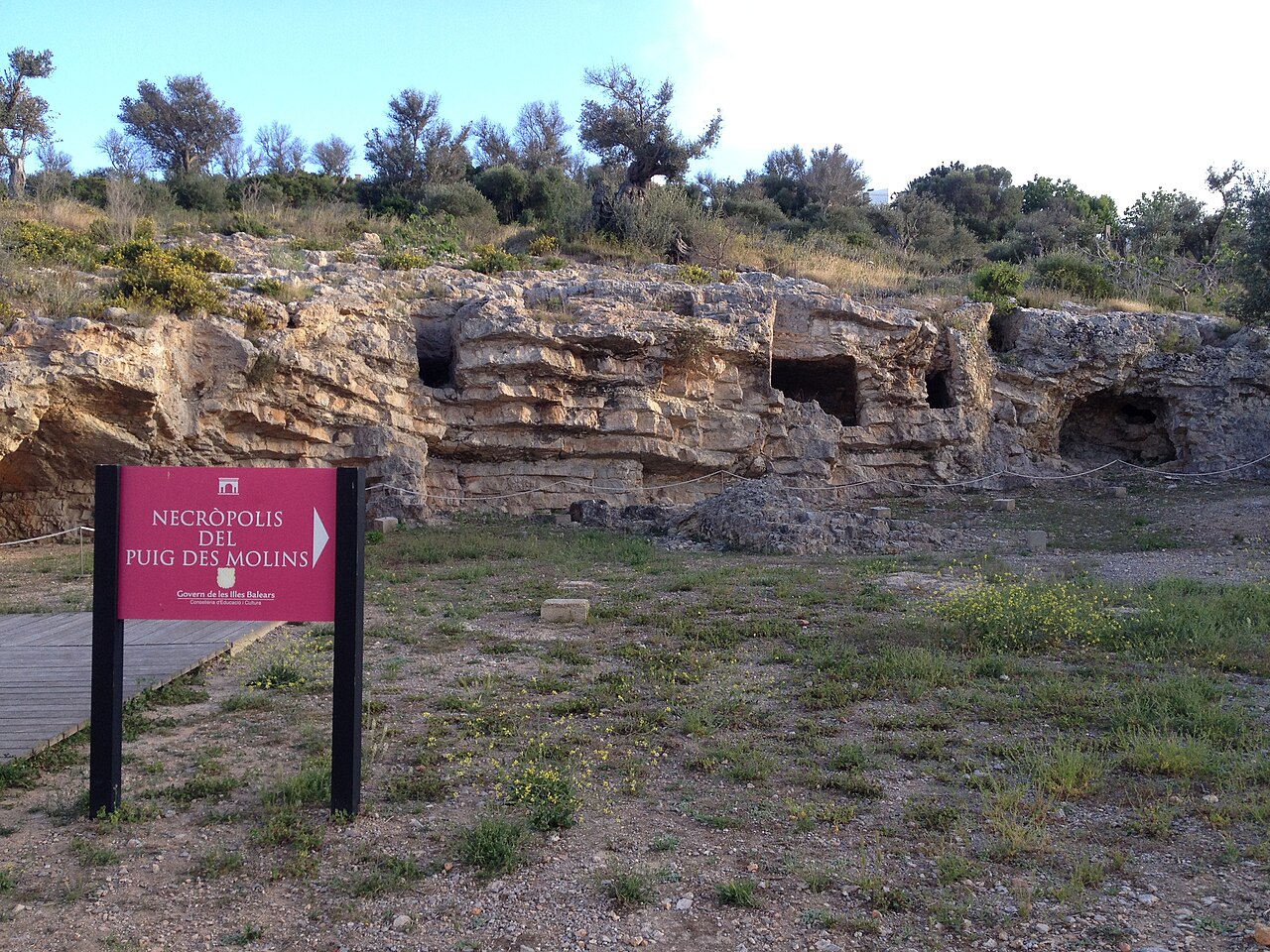
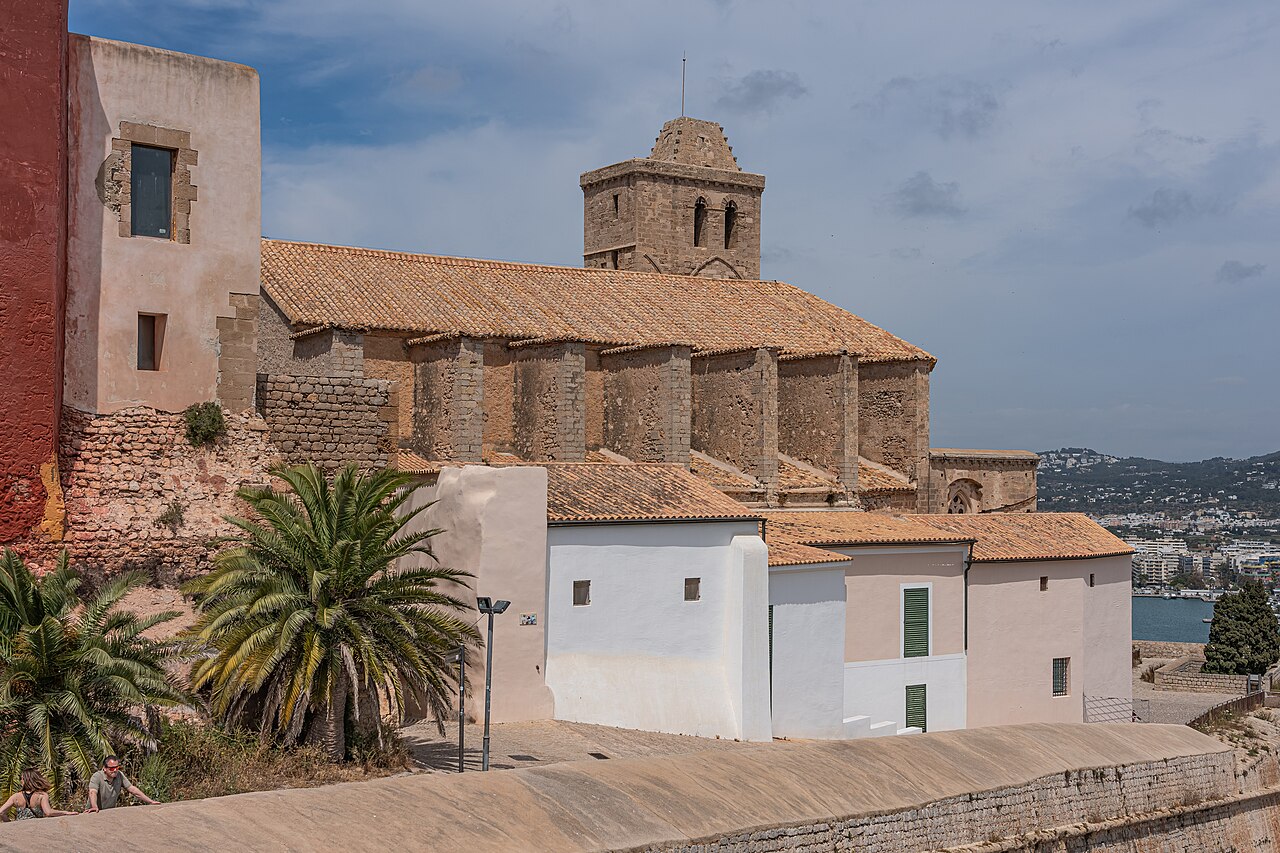
Start in the morning at Dalt Vila, the walled upper town that UNESCO inscribed in 1999. Enter through the Portal de ses Taules and climb slowly toward the cathedral, stopping at the bastions for views over the harbour. Allow two to three hours, because the stone paving is steep and polished. Walk downhill to the Puig des Molins museum and necropolis, a short visit that explains the Phoenician and Punic world that came before the Romans. Lunch around Vara de Rey or the port gives you a break before an easy afternoon. Finish by wandering the harbour streets and the fishermen's quarter at sunset. This day needs no car and suits every season, which is why it comes first.
Day two: the west coast
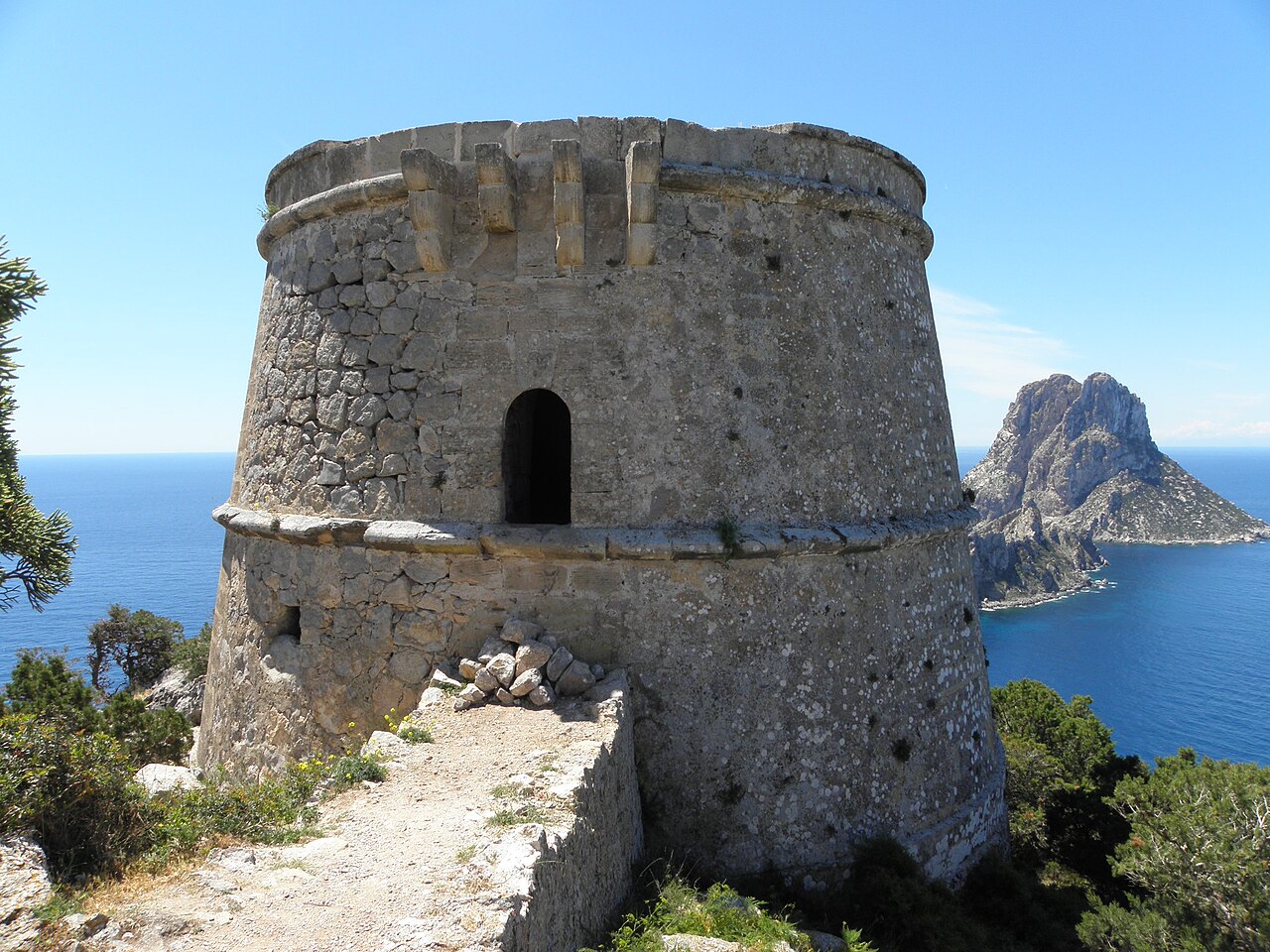
Hire a car or take a private tour. Begin with the beaches of Cala Comte and Cala Bassa, which are beautiful all year and easiest to enjoy in the morning or late afternoon. Continue south to the Es Vedrà viewpoint, where a short, rough path leads to a view of the great limestone islet. If you want a quieter beach, add Cala Salada and Cala Saladeta, the twin coves near Sant Antoni. Plan to be back on the coast an hour before sunset. Sant Antoni's bay is the classic sunset spot, and the promenade and rocks are free, although the famous bars there are seasonal. In summer you could replace part of the day with the Es Vedrà catamaran cruise or a kayak trip along the sea caves, both of which run mainly from about May to October.
Day three: north, east and south
Choose the pace you like. For a cultural day, drive to Sant Miquel de Balansat in the north to see its fortified church, then visit the Can Marçà caves and, on a weekend, the Las Dalias market in Sant Carles. Continue to Santa Eulària des Riu and climb Puig de Missa for another white fortress-church with sea views. For a nature and history day, head south instead to the Ses Salines Natural Park, where lagoons, dunes and salt mounds are home to migratory birds, and finish at the Sa Caleta Phoenician settlement. If you have the season and the weather, a sailboat day to Formentera is the great alternative, leaving from the southwest coast and anchoring at S'Espalmador and Ses Illetes. A private jeep safari is another way to cover the coves of the west and north without driving yourself.
Getting around
Ibiza Town is walkable. For the rest of the island a rental car is the most flexible choice, with taxis and tours as alternatives. Buses link the main towns but run less often outside the summer. Parking at popular beaches fills early in summer, so go early or late.
Where to stay
Base yourself in Ibiza Town for the walking and the restaurants. The Standard and Montesol are the stylish choices, Hotel Royal Plaza is a central mid-range option, and Mirador de Dalt Vila offers a stay inside the walls. If you prefer to be on the west coast, Hotel Puchet in Sant Antoni is a practical base.
What to book and what to leave
Book boat trips, kayaking and caves for dates with free cancellation, because weather and group size decide whether they run. Leave the churches, viewpoints and old town unbooked; they are free and open to walk. Pack layers, a windproof jacket and shoes with grip, as the old town's paving and the viewpoint paths are rough.
If you only have two days
Do day one as described, then combine the west coast with a sunset at Sant Antoni. If you have four, add a slow morning at the Ses Salines lagoons and a long lunch in a village. Whatever you choose, aim to stand somewhere high at least once, either on the bastions of Dalt Vila or at the Es Vedrà viewpoint, because the island makes most sense from above.