There is no single best time to visit Iguazú Falls, because the answer depends on what you want. The river is the star, and its flow changes the look of the falls, the availability of boat rides and walkways, and the number of people around you. Climate, school holidays and your own tolerance for heat all play a part. This guide explains the patterns so that you can choose the season that suits your trip.
The river's rhythm
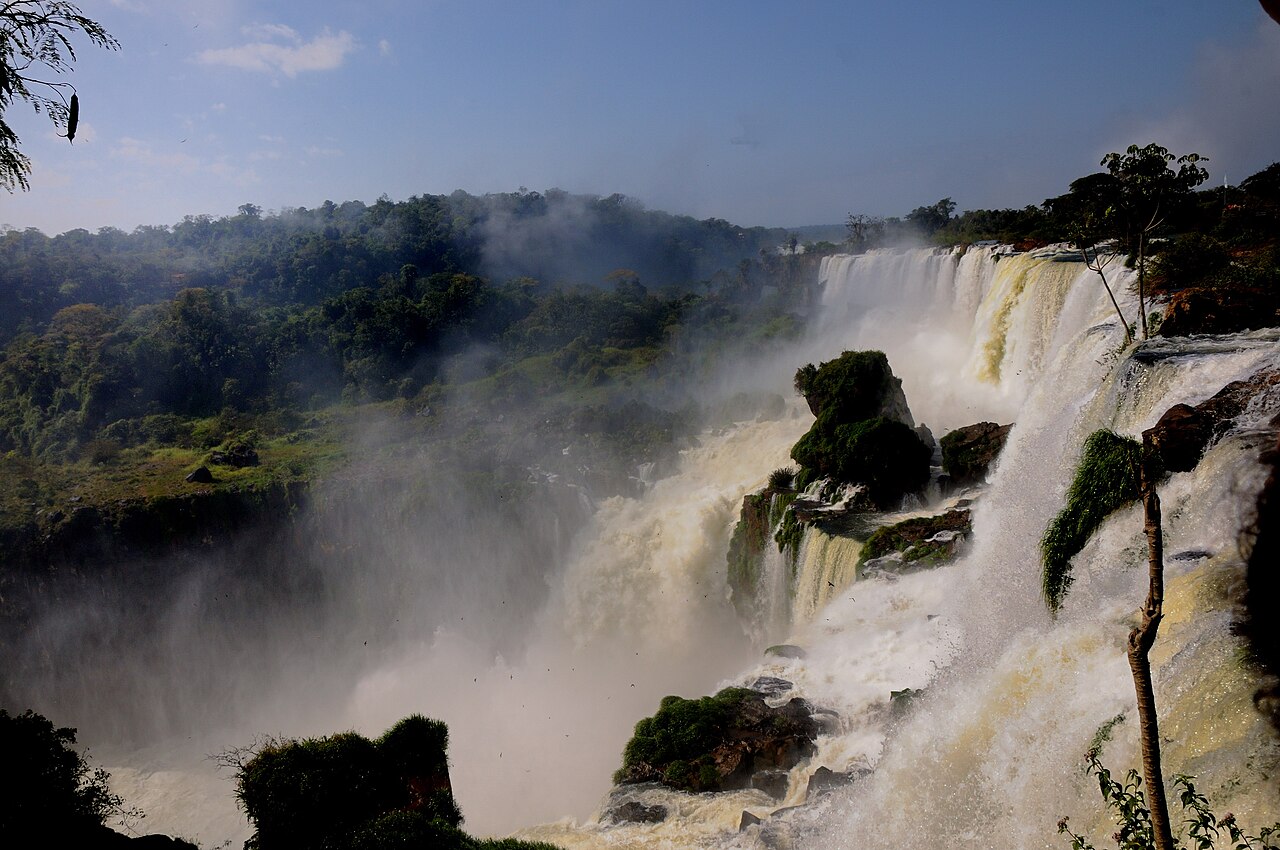
The falls are fed by a huge catchment, and the flow can vary enormously from season to season and even from week to week. In general, the river is fuller in the wetter months, roughly from October to March, and lower in the drier months of the cooler season. Heavy rain upstream can raise the river quickly even when it is sunny at the falls, so flow is never perfectly predictable. High water makes the falls more powerful and brown, with more spray, while lower water shows more rock and clearer channels.
What high water means for your visit
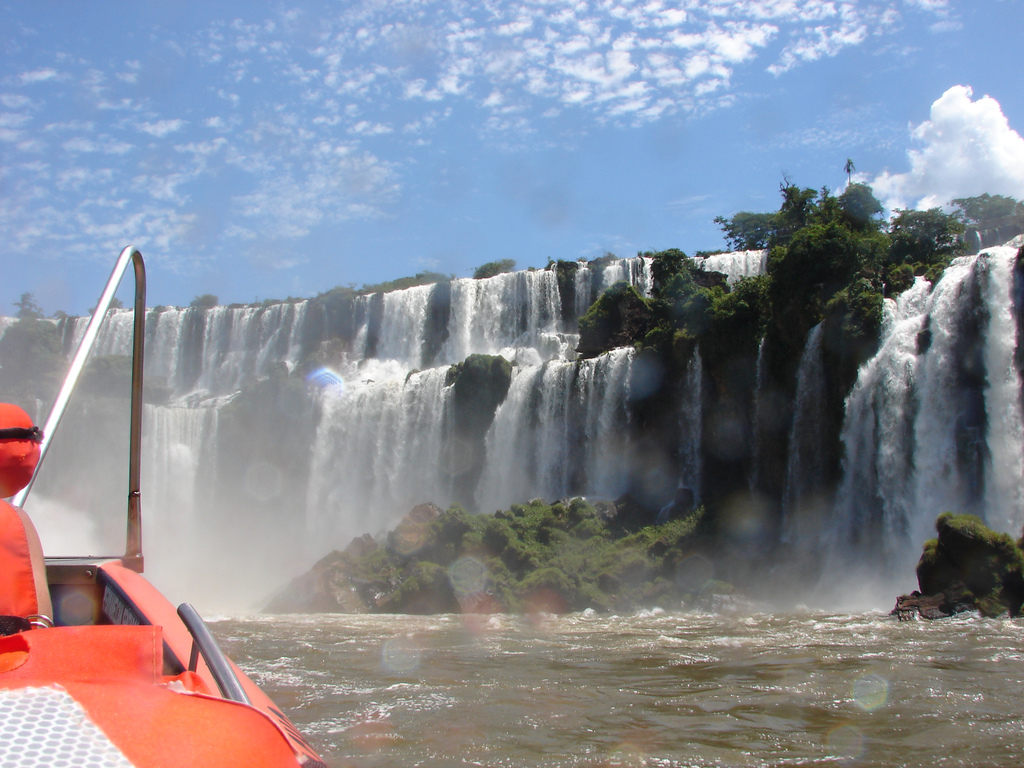
When the river passes safety limits, the park concessionaires close walkways preventively, most often the Devil's Throat walkways, and boat rides may pause. These closures can last days or weeks, and they can happen in any season, though they are more common in wetter periods. Build flexibility into your plans, check the park notices before you go and avoid scheduling your most important activity on your last day.
Summer, from December to February
This is the hot, humid and rainy season. Temperatures often climb well above thirty degrees Celsius, and afternoon storms are common. It is also the main school holiday period for both Argentina and Brazil, so expect crowds, higher hotel prices and busier border crossings. The benefits are lush green forest, warm water for getting wet on the boats, and long daylight hours. Start early, schedule a pool break at midday and carry plenty of water.
Autumn, from March to May
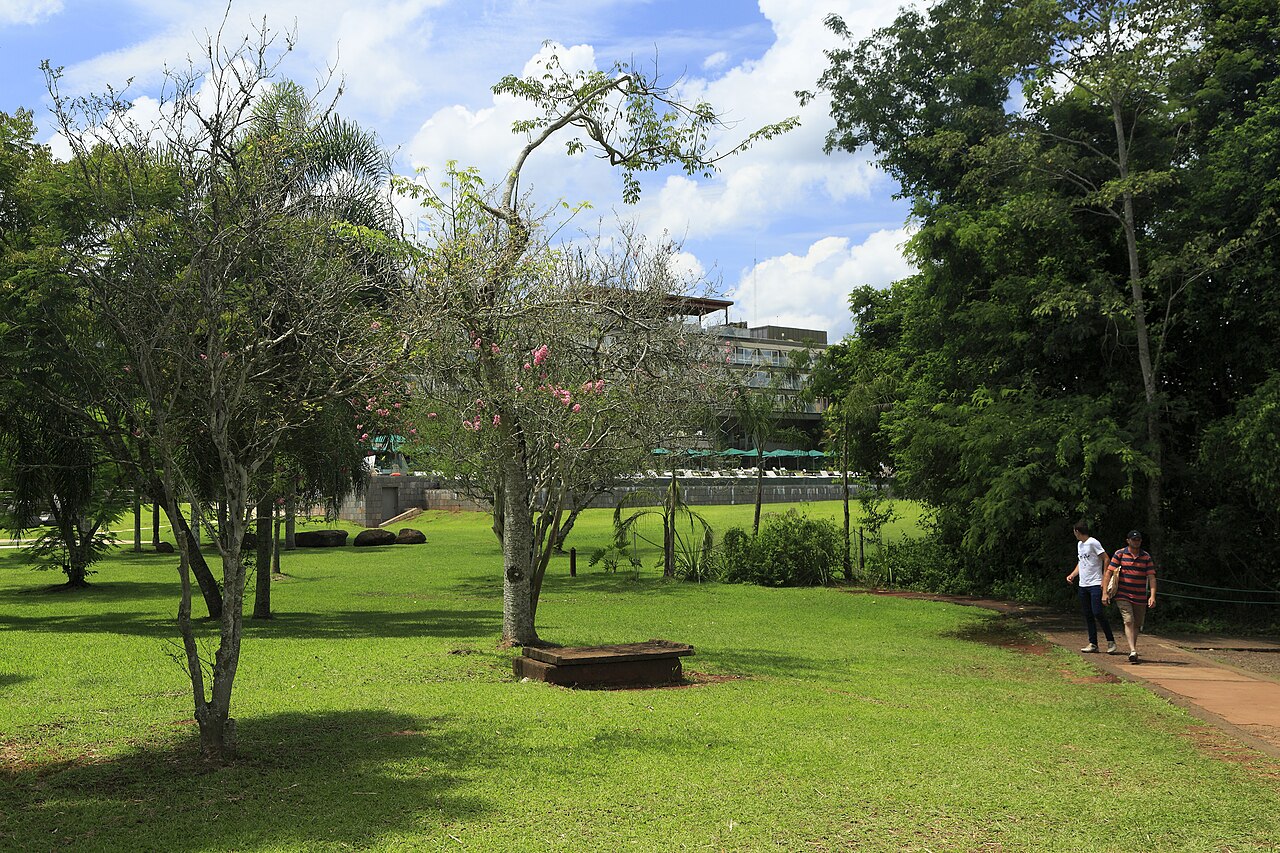
Many travelers consider autumn a sweet spot. The heat eases, the humidity drops a little, and the crowds thin once the summer holidays are over. The river can still be high, especially early in the season, but conditions often settle into pleasant, warm days. Easter and other holiday weeks can be busy, so check dates before booking.
Winter, from June to August
Winters are mild by most standards, with cooler mornings and evenings and comfortable daytime temperatures. Nights can feel chilly, so pack a warm layer. Water levels are often lower, which can mean fewer closures, though the flow still varies. Winter school holidays in July bring a bump in visitors, particularly from Brazil and Argentina. The cooler air makes long days of walking easier, but boat rides can feel cold, so bring quick-dry layers.
Spring, from September to November
Spring brings warming temperatures, blossoming trees and more butterflies. Rain increases toward the end of the season, and river levels begin to rise. It is a good time for wildlife and for travelers who want lighter crowds than summer. Because conditions change quickly, keep your itinerary flexible.
Weekdays and weekends
The parks are busiest on weekends, holidays and mid-morning when tour buses arrive. Aim to be at the gate when it opens, or visit in the late afternoon when groups leave. On the Argentine side, the train queues build quickly after mid-morning, and the Brazilian trail is most crowded between late morning and early afternoon.
Choosing by priority
If you want the most power and spray, aim for the wetter months and accept the risk of closures. If you want the most comfortable walking weather, choose autumn or winter. If you are traveling with children, school holidays are convenient but crowded, so book hotels and tours early. If you love photography, the early and late hours of any season give the best light, and a clear day after rain can produce the most dramatic rainbows.
Planning tips
Stay at least three nights so that bad weather does not ruin the trip. Book refundable tickets for boat rides and flights, and check the park notices on the morning of each visit. Pack for both sun and rain at any time of year, and treat the forecast as a guide rather than a promise.