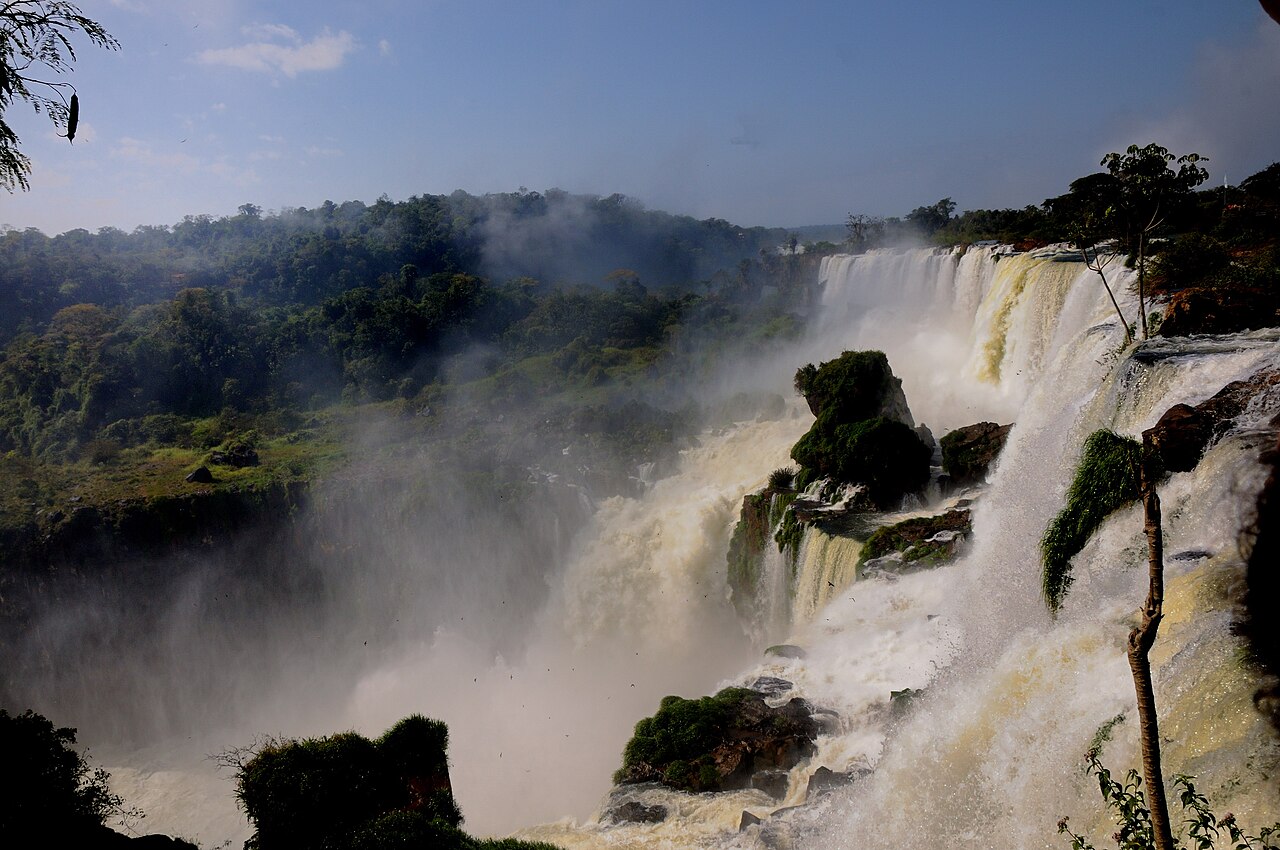
Iguazú Falls is one of the best family destinations in South America, but it rewards planning. There are trains, boats, coatis and walkways above roaring water, which children love, and there are also stairs, heat, border crossings and long days, which they do not. This guide explains how to make the most of both sides with children of different ages.
Which side suits families
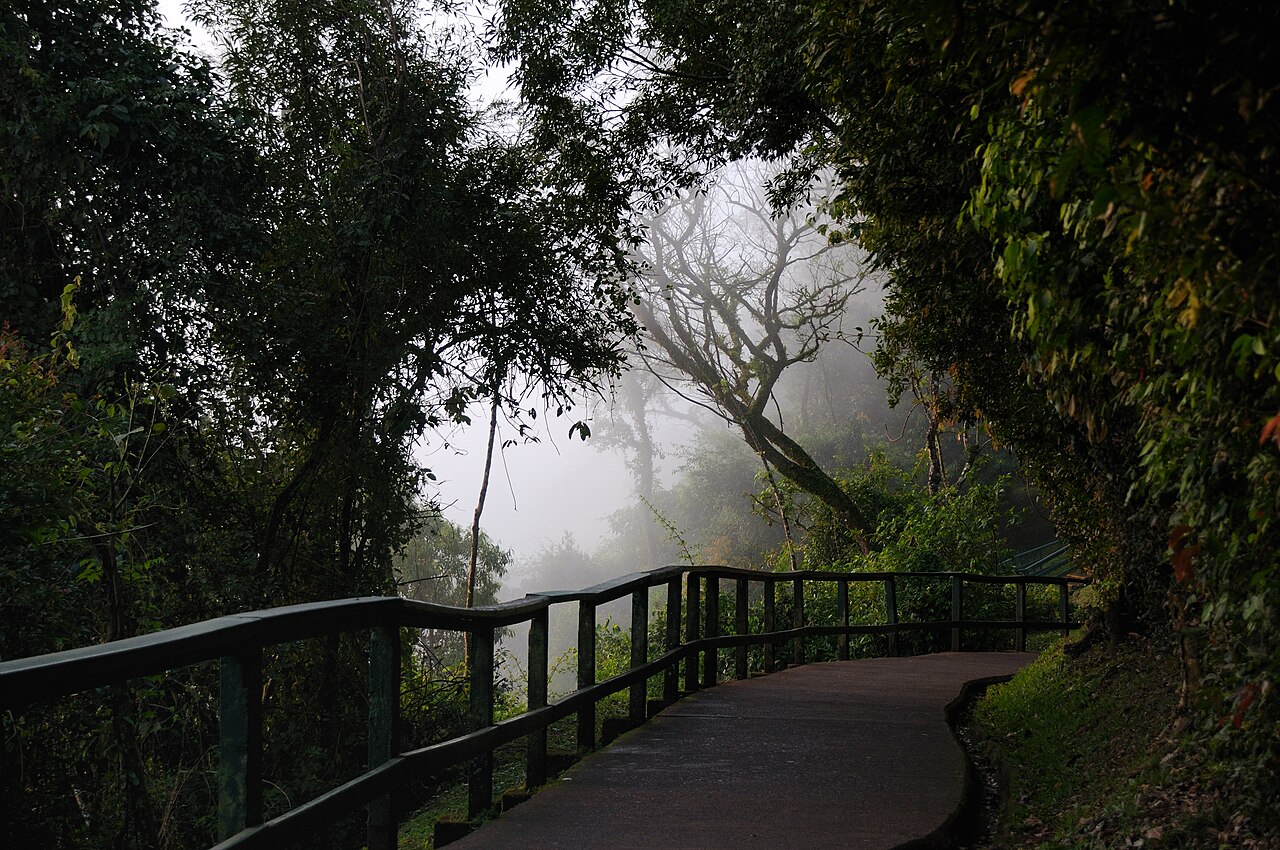
The Brazilian side is the easier of the two for small children. The trail is paved, mostly flat and takes only half a day, and it ends with a walkway into the spray and a lift to help tired legs. Pushchairs are manageable on most of it. The Argentine side is bigger, with more walking and some stairs, but it has a free rainforest train that children enjoy and lots of wildlife. For families with a mix of ages, do the Brazilian side first as a gentle introduction and save Argentina for a day with a proper picnic and plenty of breaks.
Pacing the day
Start early, take a long lunch break in the shade and plan the end of the day around one activity rather than three. Children tire faster in the humidity, so carry water, hats and sunscreen, and let them rest when they need to. A slow day that ends with smiles is better than a rushed one that ends in tears. Check the closing time of the park and the last train so that you are not hurrying back.
Boat rides and age limits
The Gran Aventura in Argentina and Macuco Safari in Brazil both soak everyone on board, and both set minimum ages, heights and sometimes weights. Life jackets are mandatory, and the rides are loud, bumpy and wet, which suits adventurous older children but can frighten toddlers. Ask the operator about the current limits when you book, and leave valuables in lockers. The helicopter flight also has its own restrictions on very young children.
Wildlife that children love
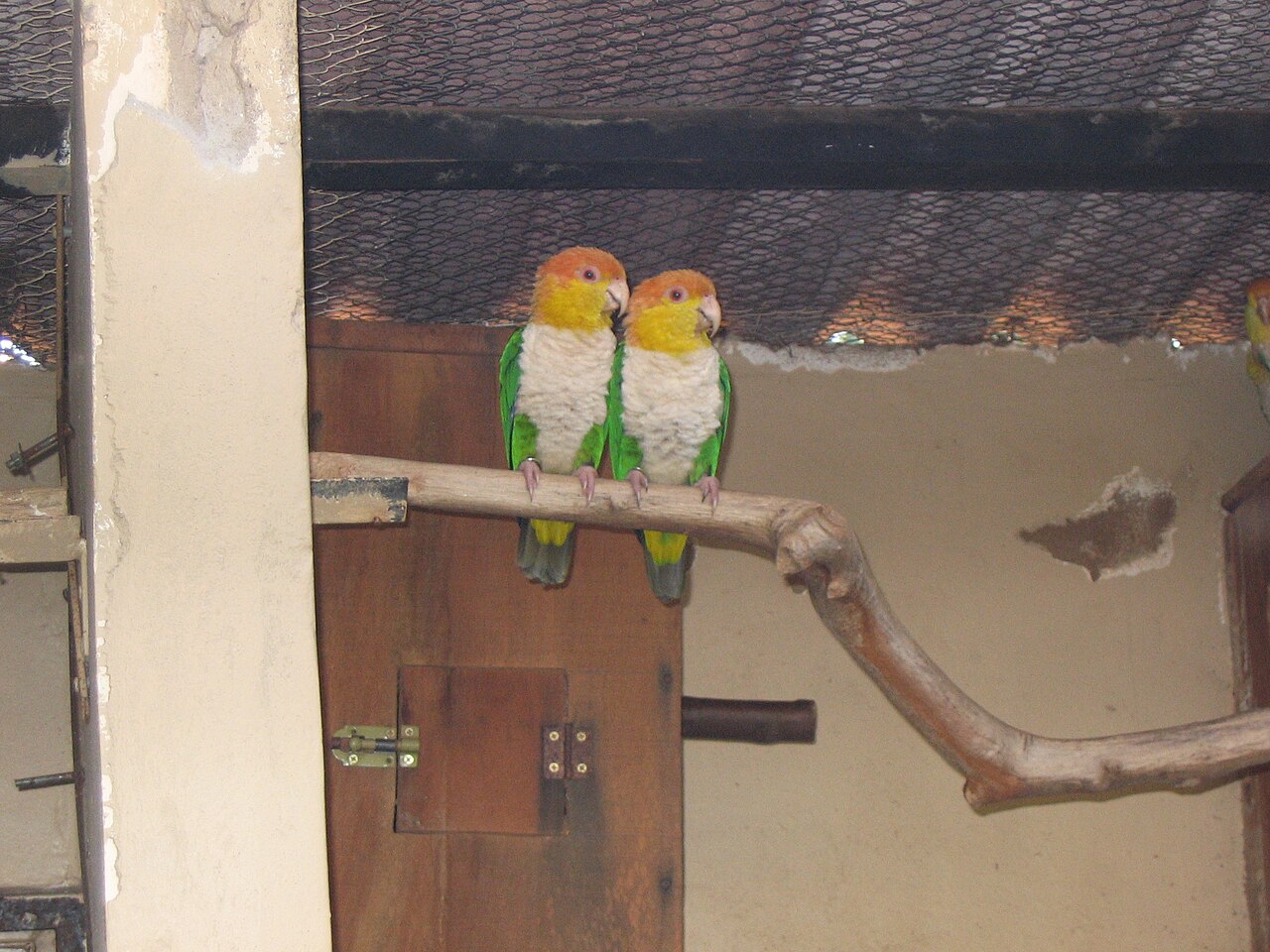
The coatis that wander the parks are the star of many family photos, but they are wild animals and can scratch and bite, so keep food sealed and do not feed them. The Parque das Aves is a highlight for children, with walk-through aviaries where toucans, macaws and flamingos fly around you. Güirá Oga near Puerto Iguazú is a smaller, quieter refuge for rescued animals, which can suit children who prefer a calmer pace. Both are good ways to turn a hot afternoon into an adventure.
Water and play days
Break up the sightseeing with a day of pure play. In Foz do Iguaçu, a water park gives children slides and pools, and an aquarium offers a cool, dim indoor option that works well on a rainy day. Many resorts on the road to the Brazilian park also have large pools, play areas and kids clubs, so the hotel itself can be a holiday highlight. Plan one such day in the middle of your stay so that everyone gets a rest.
Border crossings with children
Crossing between Argentina and Brazil requires passports for everyone, including children, and families traveling with minors may need extra documents, such as proof of parentage or permission letters. Check the requirements for your nationality and your travel situation well before you leave. Allow plenty of time at the border, bring snacks and entertainment, and avoid a tight schedule after crossing.
Where to stay
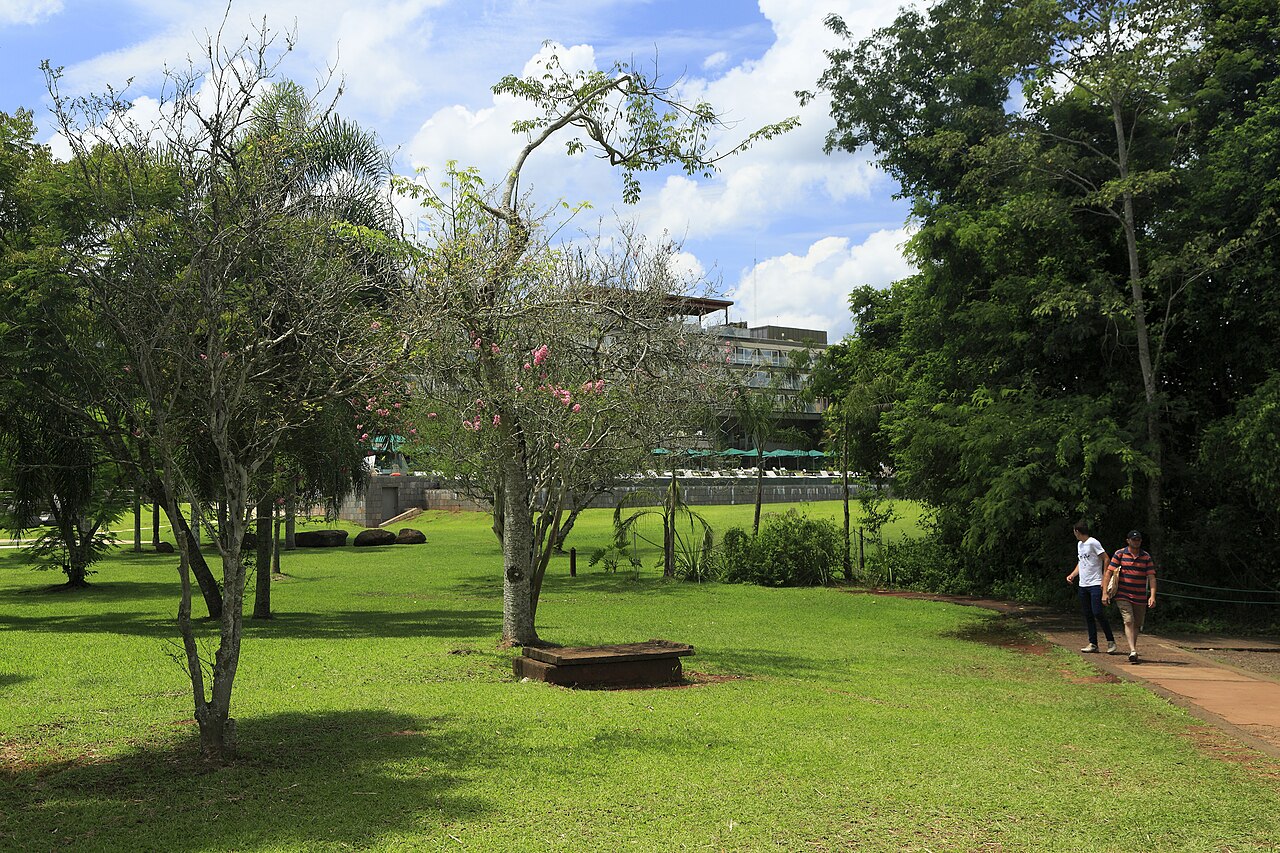
For families, a resort with pools and activities is often worth the extra cost, particularly on the Brazilian side, where several large properties sit on the road to the park. Hotels with family rooms and kids clubs make evenings easier, and an in-park hotel gives you early access to the falls before the crowds arrive. If you are on a budget, a simple hotel with breakfast and a central location still works, since children will spend most of their time out at the sights.
What to pack
Hats, sunscreen, repellent, refillable bottles, light rain jackets and quick-dry clothes are essential. Bring spare clothes and shoes for the boat rides, a waterproof pouch for phones, a small first-aid kit and snacks. A carrier can be easier than a pushchair on the Argentine stairs. Keep a copy of important documents and children's passports with you at all times.
Evenings
After a day outdoors, a family-friendly dinner show with music and dance, or a relaxed meal and an early night, works well. Children are often more tired than they admit, so keep evenings simple and the next morning flexible.