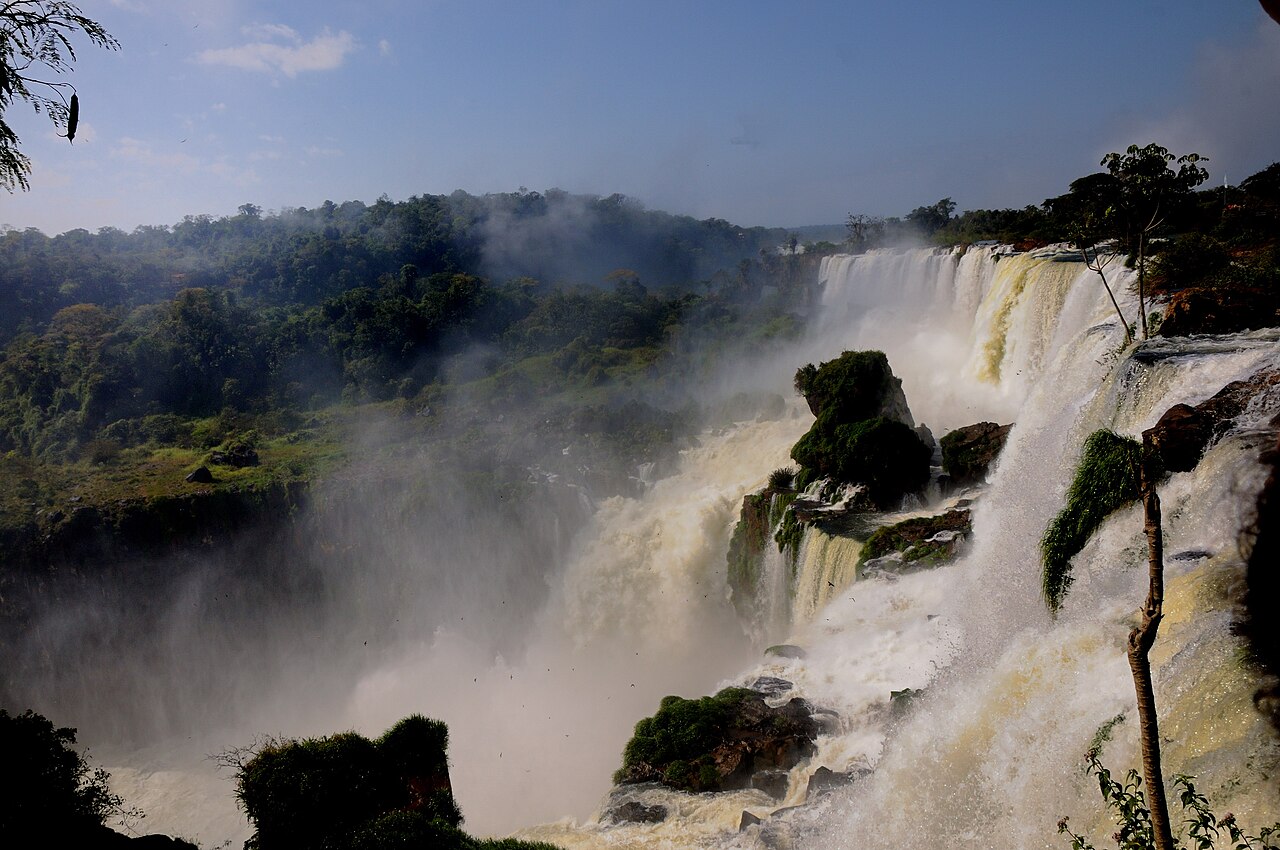
Three days is the number that makes Iguazú feel unhurried. It lets you give each side of the falls its own day, leaves room for a boat ride or a wildlife stop, and builds in slack for the weather and the river, which have the final say over what is open. This plan assumes you are based in Puerto Iguazú or Foz do Iguaçu and that you are willing to cross the border once. Swap the days around if your hotel is on the Brazilian side.
Day one: the Argentine side
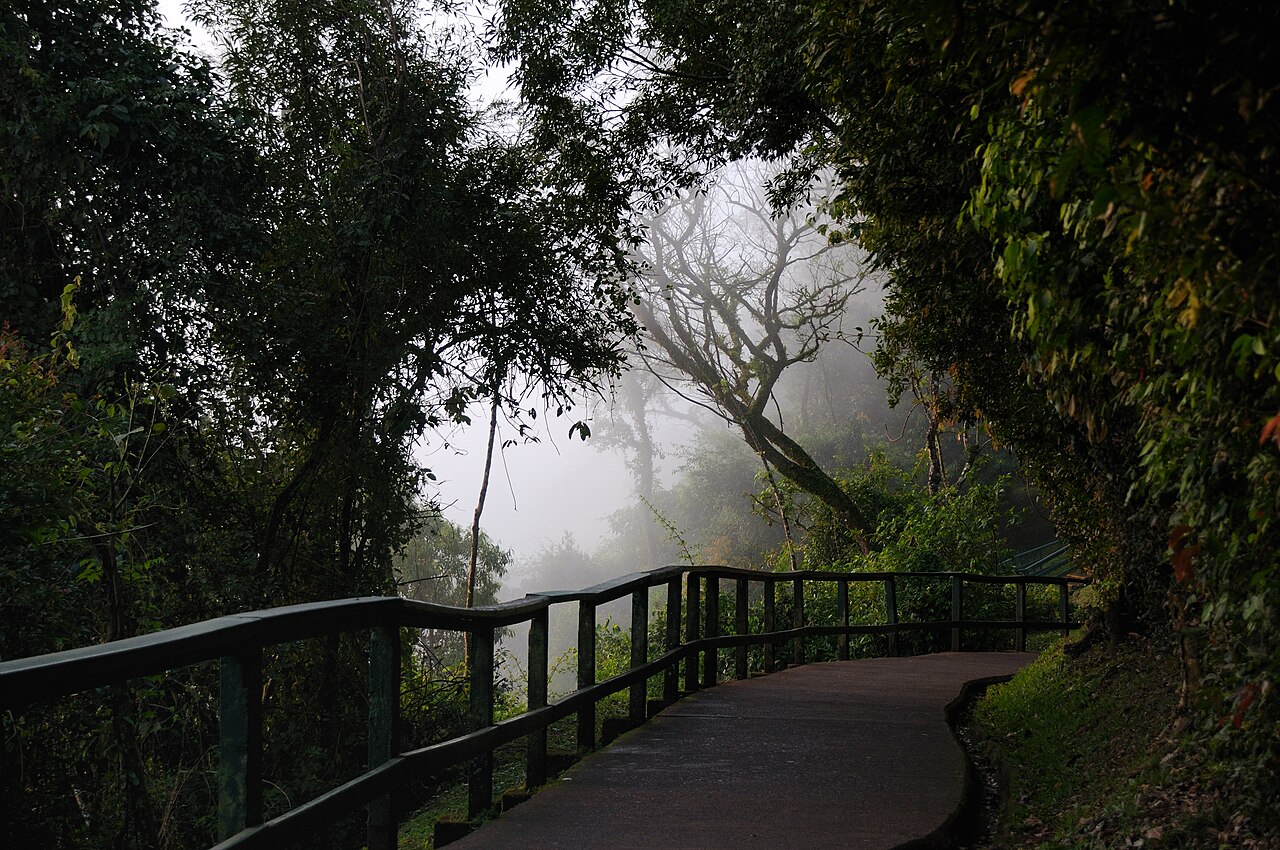
Start at the gate when the Argentine park opens, because the first hours are cooler and quieter. Take the free rainforest train to the Devil's Throat station if the walkway is open, and walk out over the water to the great horseshoe where the river disappears. Then work back through the Upper Circuit, which runs along the tops of the falls, and finish with the Lower Circuit, whose stairways take you down toward the base of the cascades. Break for lunch near the visitor center, protect your food from the coatis, and consider the Gran Aventura boat ride in the middle of the day, when you will dry off quickly. Late afternoon is lovely for the Macuco trail if you still have energy. If the Devil's Throat walkway is closed for high water, spend the extra time on the circuits and the forest trail instead of rushing.
Sunset on day one
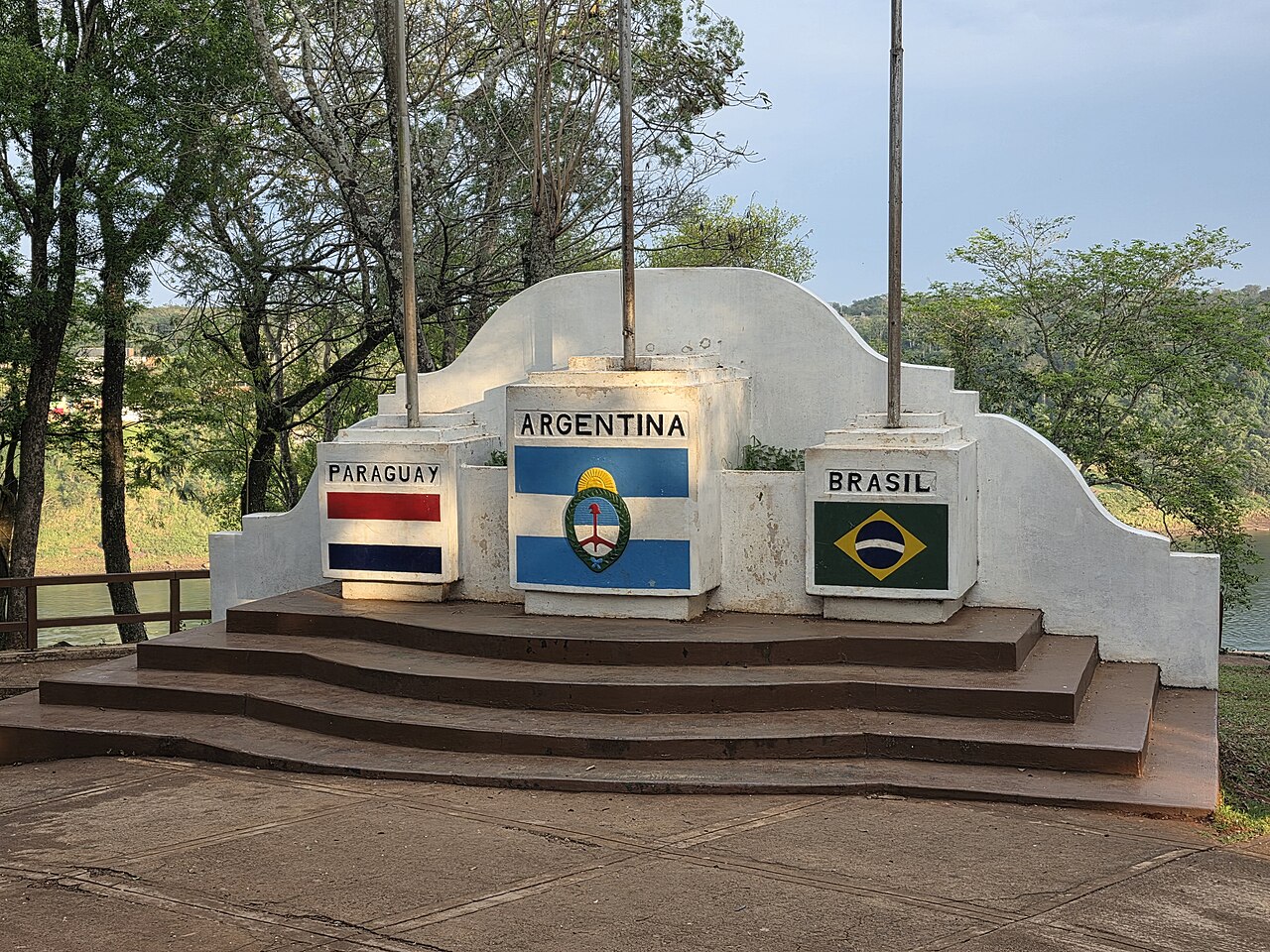
If you have the energy, head to the Hito Tres Fronteras in Puerto Iguazú for the end of the day, where Argentina, Brazil and Paraguay meet across two rivers. It is a free, easy stop with a relaxed riverside atmosphere, and the evening light is good. If you prefer a quieter night, skip it and eat early, since the next day involves a border crossing.
Day two: the Brazilian side
Cross early. Border queues vary from a quick formality to more than an hour, and the Brazilian park rewards an early arrival. Bring your original passport and any visa you need, and check the entry rules for your nationality well before you travel. In Brazil, ride the park shuttle to the start of the Cataratas trail, and follow the clifftop path for the panorama that appears on postcards. The walkway toward the Devil's Throat lookout ends in spray, though it closes when the river is high. Use the Macuco Safari boat ride or the helicopter flight if you want a second perspective, and remember that both depend on the river and the weather. The Brazilian side takes only half a day, so the afternoon is free.
Afternoon on day two
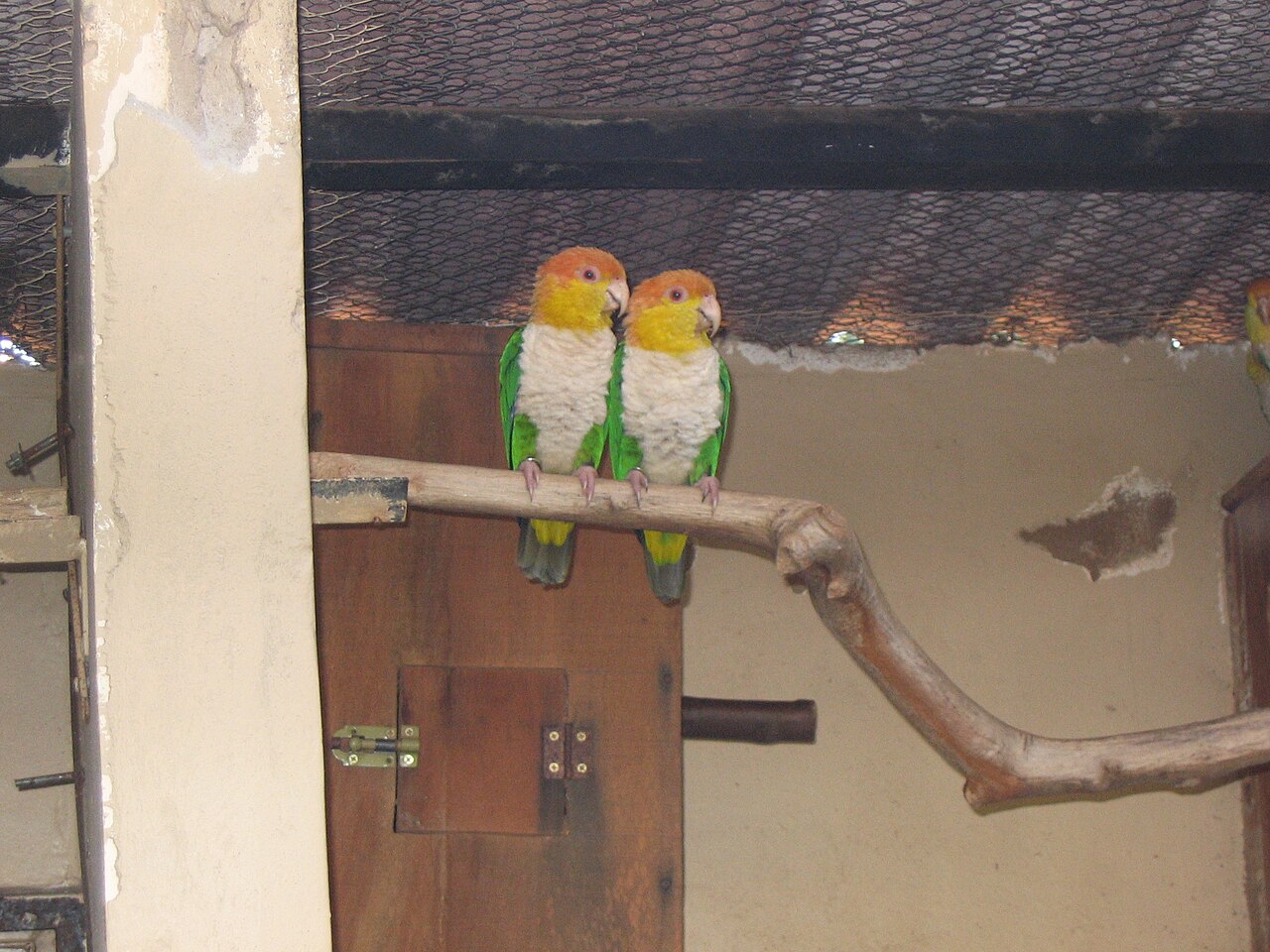
The Parque das Aves is a natural fit, with its walk-through aviaries and its toucans, macaws and flamingos, and it sits close to the road to the falls. If you would rather do something different, the Itaipu Dam gives you the scale of one of the world's great hydroelectric projects, which is a good use of a hot afternoon. In the evening, a dinner show in Foz do Iguaçu is a lively way to end the day, or a quiet meal in town if you are tired.
Day three: choose your own adventure
The third day is your flexible day, and the best choice depends on the weather, your interests and what you missed. For wildlife, visit the Güirá Oga refuge near Puerto Iguazú, which cares for rescued animals in a small forest setting. For adventure, try the zipline and canopy lines at a jungle park. For history, make a long day trip to the Jesuit ruins of San Ignacio Miní. For families, a water park or aquarium in Foz do Iguaçu gives children a break from walking. And if the river was too high for the boats earlier, this is your backup day to try again.
Pacing and backup plans
The biggest mistake on a short trip is packing every attraction into every day. The falls are tiring: lots of stairs, heat, humidity and crowds, and the best moments come when you are not rushing. Schedule one anchor activity per half day and treat the rest as extras. If heavy rain falls, shift the boat rides and the helicopter flight to another day, and use the aquarium, the dam or a long lunch to fill the gap. If a walkway is closed, remember that the circuits and viewpoints around it still give a superb experience.
Getting around
Town buses run to the Argentine park from Puerto Iguazú, and buses and taxis serve the Brazilian park from Foz. Taxis and ride-hailing are inexpensive in both towns. If you prefer not to arrange the border yourself, a tour with transfers can handle the paperwork and the tickets. Book boat rides and the helicopter flight for a flexible time, and keep the evening before an early start light.
Where to sleep
For a three-day plan, a single base can work if you accept two border crossings, but many travelers split their stay. A forest hotel near Puerto Iguazú suits the Argentine day, and a resort on the road to the Brazilian park suits the second. If you want the falls at dawn, an in-park hotel is a splurge worth considering for at least one night. Our where-to-stay guide compares the options side by side.
What to pack
A light rain jacket, quick-dry clothes, shoes with grip, sunscreen, repellent, a refillable bottle and a waterproof pouch for your phone. Carry your passport on both sides, keep food sealed, and bring cash in both currencies for small purchases.