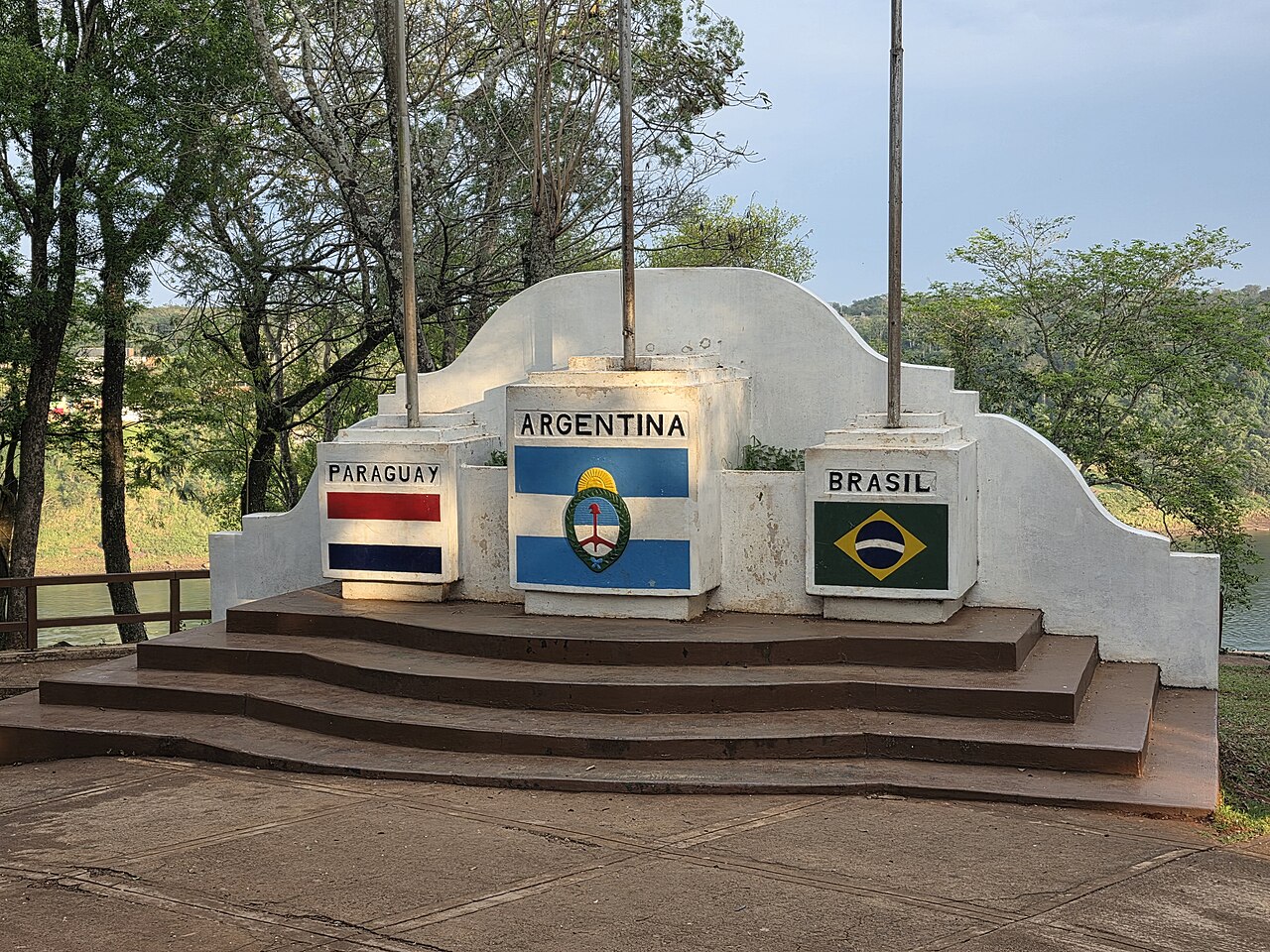
The food around Iguazú Falls reflects the place itself: a meeting of Argentina, Brazil and Paraguay in the same patch of forest. You can eat grilled beef on both sides of the river, but the details change at the border, and the regional dishes, the river fish and the snacks make it worth eating curiously. This guide covers what to try, where the styles differ and how to eat well around long days at the parks.
Argentine tables in Puerto Iguazú
The classic Argentine meal is the parrilla, a grill that sends out beef cuts, sausages and sweetbreads over charcoal. Expect generous portions and side dishes such as salads, grilled vegetables and fries. Many restaurants also serve milanesas, breaded cutlets, and empanadas, folded pastries filled with beef, cheese or ham. Ask for the local twist, which often includes regional river fish and dishes using manioc, corn and other ingredients from the north-east. The Argentine custom of a late dinner holds here, so restaurants fill after nine, though tourist-oriented places serve earlier.
Brazilian tables in Foz do Iguaçu
Brazil's equivalent is the churrascaria, where servers carry skewers of meat to your table and slice what you choose, alongside a large buffet of salads, rice, beans and hot dishes. Price is often set by weight or by a fixed all-you-can-eat rate, so check before you sit down. Everyday meals revolve around rice and beans, grilled meat and farofa, a toasted manioc flour sprinkled over food. A feijoada, the black bean and pork stew, is a Saturday tradition in many places. Lunch is often a good-value self-service plate priced by weight, which is ideal on a falls day.
River fish
Both sides sit on great rivers, and the Paraná basin supplies fish that you will rarely find at home. Surubí, a large catfish, appears grilled or in a stew, and dorado, a golden fighting fish, is another regional favourite. Local restaurants often fry, grill or bake river fish with simple sides. Ask what is in season and how it is prepared, and be aware that some species are protected, so choose places that follow local rules.
Snacks and street food
Pão de queijo, the chewy cheese bread, is a Brazilian staple at breakfast and in the afternoon, and the Paraguayan-influenced chipá is its Argentine cousin, made with manioc starch and cheese. Tapioca crepes, coxinha and pastel are common in Foz. Both sides sell fresh fruit juice, from passion fruit to pineapple, and the heat makes them an excellent excuse for a break. Carry snacks into the parks, but keep them sealed because coatis are quick and fearless.
Mate, coffee and drinks
In Argentina, yerba mate is a ritual: a gourd, a metal straw and hot water, shared among friends. The province of Misiones is the country's main producer, so this is the place to try it, and shops sell the leaf in many blends. In Brazil, the strong small coffee, cafezinho, is offered everywhere, and chimarrão, the southern Brazilian version of mate, is common in the region. Beer is light and cold, and caipirinha, made with cachaça, lime and sugar, is the national cocktail. Argentine wine is excellent and widely available, with Malbec the best-known grape.
Dinner with a show
If you want food and entertainment together, two evening options stand out. In Foz do Iguaçu, a dinner show pairs a churrascaria buffet with Latin American dance and music, which suits groups and families. In Puerto Iguazú, a tango show with optional dinner offers a more refined evening. Both are easy to book with transfers, and they take the planning out of a late evening.
Eating around the parks
Both national parks have restaurants and snack bars near the visitor center or at the end of the main trails, and they are convenient but pricey and busy at midday. A smarter plan is to eat a substantial breakfast, carry water and snacks, and book lunch outside peak hours. Hotels inside the parks have their own restaurants, which are often the only dinner option for guests, so check meal plans before you book. Picnic rules vary, so ask at the gate about bringing food.
Practical tips
Carry small cash in both currencies, because cards are widely accepted in town but not always at small snack stalls. Drink bottled or filtered water, and be sensible with raw salads if your stomach is sensitive. Many restaurants offer vegetarian dishes, although the focus is meat, so mention dietary needs and ask what is available. Tipping practices differ: a service charge is sometimes included in Brazil, while Argentina expects a tip of around ten percent in restaurants. Opening hours stretch late in both towns, and Sunday evenings can be quieter.