Three days is the ideal length for a first visit to Innsbruck. It gives you one day for the old town and its palaces, one for the mountains and the views, and one for a trip beyond the city, with room to adapt the plan to the weather. The city is compact, the transport is simple, and the best experiences sit close together. Here is how we would spend the time.
Before you start: the golden rule of weather
In the Alps the weather decides your order of play. The mountain lifts, the ski jump terrace and Stubai Glacier reward a clear day, while museums, palaces and the Tyrolean Evening work in any conditions. So keep the days flexible: check the forecast the evening before, and swap the mountain day with the museum day if the cloud is low. The Nordkette also closes for a few weeks of annual maintenance outside the main seasons, so check the lift schedule when you plan.
Day one: Habsburg Innsbruck on foot
Start at the Golden Roof early, before the groups arrive, and take in the arcaded lanes of the old town. Visit the Golden Roof Museum if it is open, then walk to the Hofburg for the Imperial Apartments and on to the Court Church, where the 28 bronze Black Men guard Maximilian’s empty tomb. After lunch, stroll down Maria-Theresien-Straße to St Anne’s Column and enjoy the view of the Nordkette at one end and the Bergisel at the other. Spend the late afternoon in a courtyard café or at Experience Tirol if rain arrives. In the evening, book the Tyrolean Evening show for an easy, sociable introduction to local music and dance.
Day two: up to the mountains
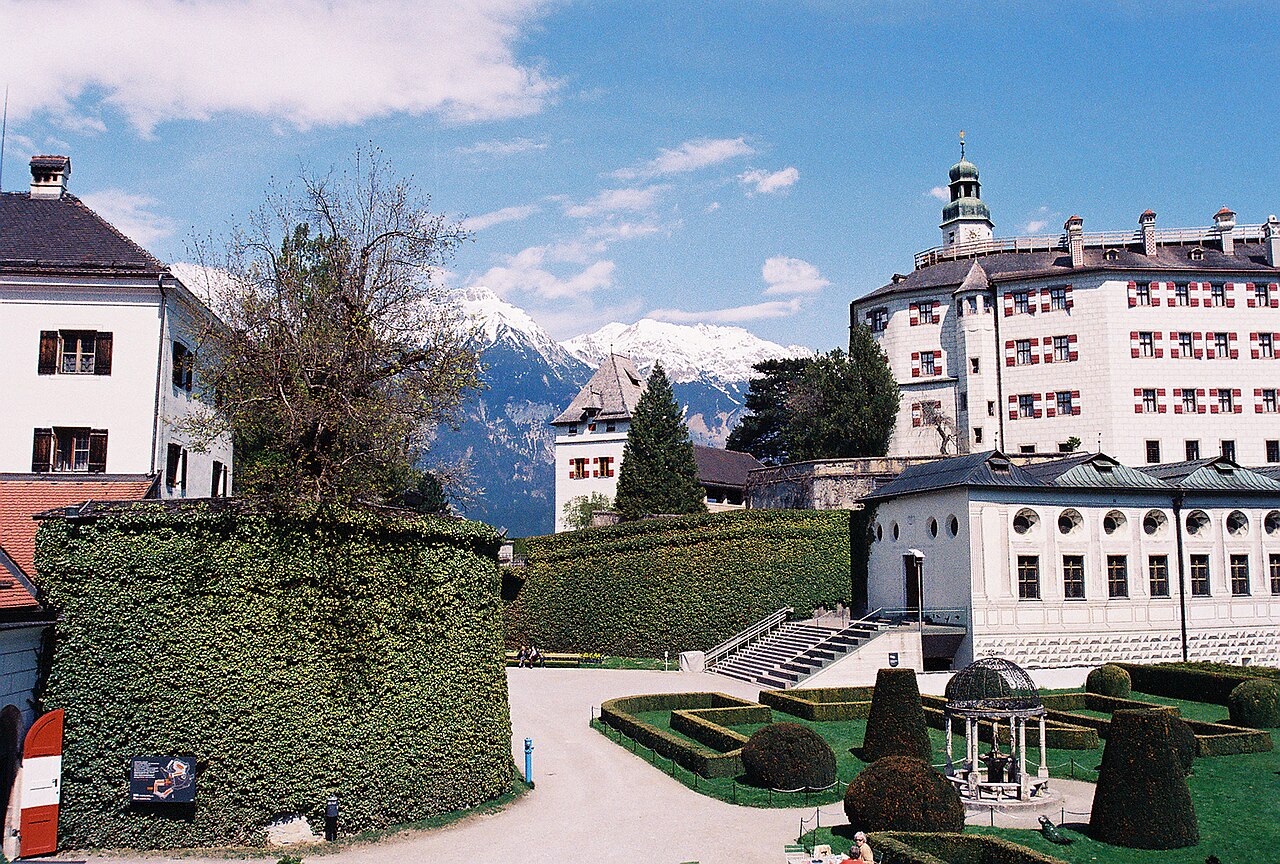
On a clear morning, take the Hungerburgbahn and the cable cars to the Seegrube and the Hafelekar, where the city is laid out far below and the Karwendel peaks roll away to the north. Take a layer for the cold at the top and allow three to four hours for the full round trip. On the way down, stop at the Alpenzoo if you have children or an interest in Alpine wildlife. In the afternoon, cross the valley to the Bergisel ski jump for a different panorama and a coffee at the top, then, if energy remains, visit the Tirol Panorama beside it to see the giant painting of the 1809 battle. If the weather is poor, swap this day with day one or spend it at Ambras Castle, whose Spanish Hall and Chamber of Art and Wonders suit any weather.
Day three: beyond the city
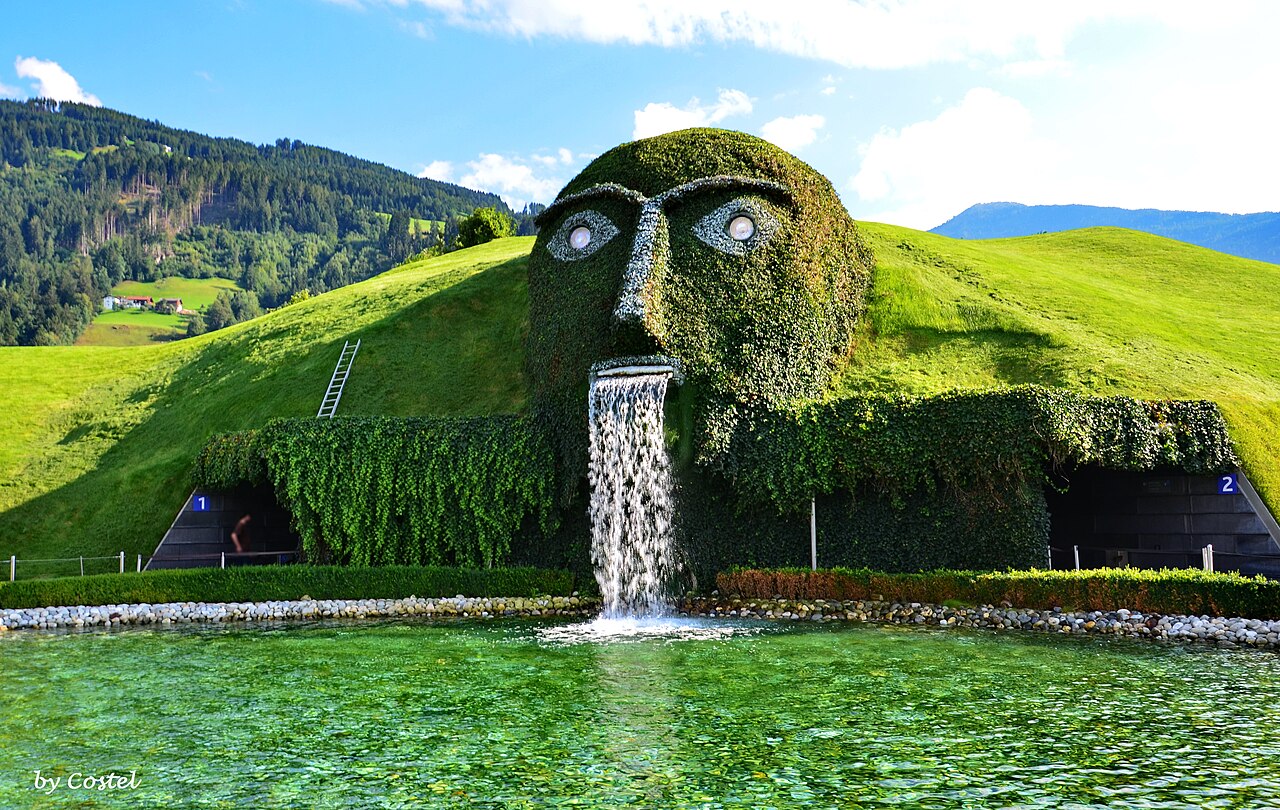
The Inn Valley is rich in day trips, and the easiest first choice is east along the railway. Take the train or the shuttle to the Swarovski Crystal Worlds in Wattens, spend two to three hours among the Chambers of Wonder and the garden, and stop on the way back in Hall in Tirol, a medieval salt and mint town with a long, quiet old town and a museum in Hasegg Castle. If you prefer drama to art, replace the crystal with the Stubai Glacier, about 45 minutes away, for a viewing platform above 3,000 metres. For history lovers, the Schwaz Silver Mine, half an hour east, adds an underground tour.
Pacing and booking
Book the Nordkette tickets and the Tyrolean Evening a few days ahead in busy periods. Most museums do not need advance booking. Allow a slow start on the first morning, since many visitors arrive by train from Munich or Italy. The Innsbruck Card can pay for itself if you plan to use the lifts and several museums, so add up the costs for your own plan before you decide. Remember that many venues have a weekly closing day, for example the Golden Roof Museum on Mondays in the cold season and the ski jump on Tuesdays in winter, so build the days around these.
Where to base yourself
For this itinerary, the old town is the most convenient base, because you can walk to everything on days one and two, and the station is a short walk for the day trips. The Goldener Adler and the Weisses Kreuz put you steps from the Golden Roof, while Hotel Das Innsbruck adds a pool and spa for tired legs. If you are travelling by rail on a budget, Motel One by the station is the practical pick.
If you have only two days
Merge day one and two: do the old town and palaces in the morning, the mountains in the afternoon, and use the second day for either Swarovski and Hall or the Stubai Glacier. If you have four days, add Ambras Castle and the Tirol Panorama, or a longer excursion to Kufstein Fortress or Neuschwanstein.
Seasons
In winter the Nordkette becomes a ski area, and the old town hosts a Christmas market from mid-November. In summer, the long evenings allow late rides to the Seegrube and open-air events. Spring and autumn are quieter, with softer light and fewer crowds. Whatever the season, pack layers and good shoes.