Innsbruck’s position in the Inn Valley, with a railway running east and west and mountain roads reaching south and north, makes it a great base for day trips. Within an hour you can be in a medieval mint town, on a glacier or in a silver mine, and within two hours at a Bavarian fairytale castle. This guide ranks the options and explains how to plan them.
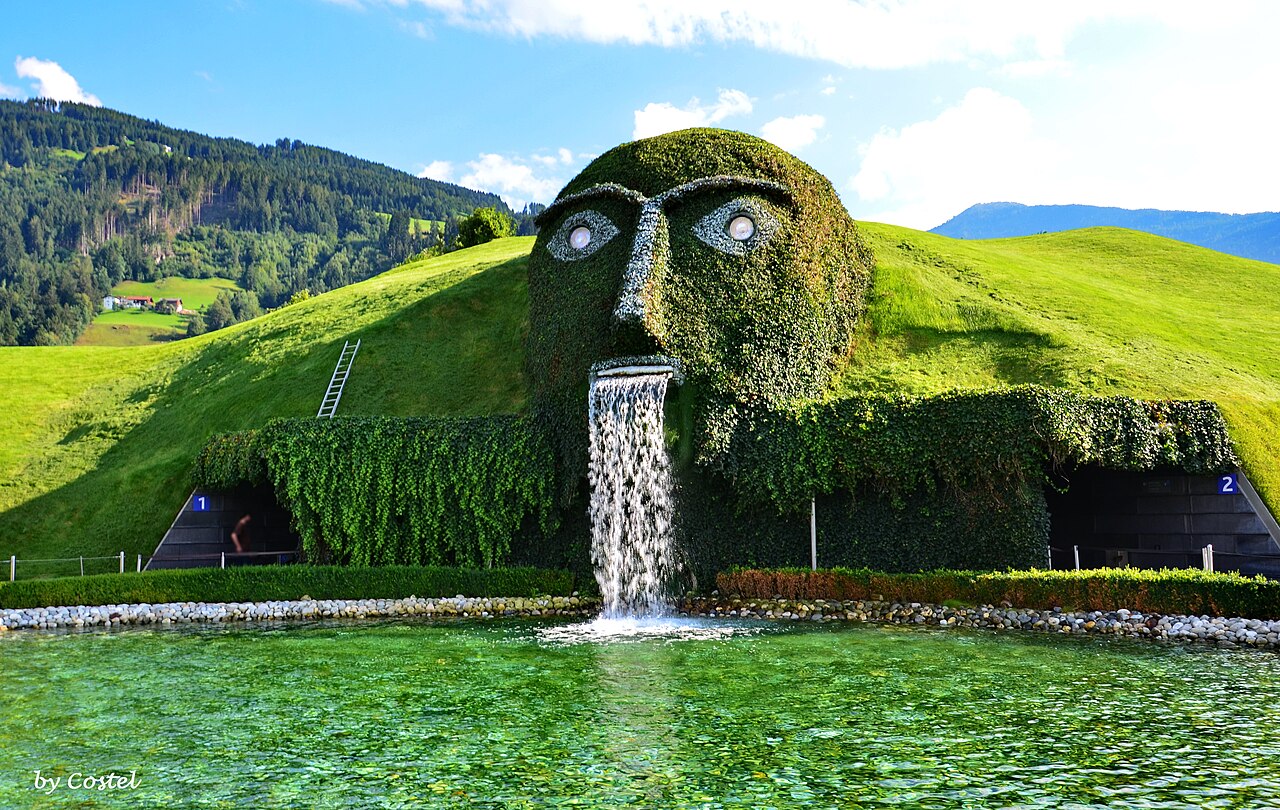
Easy and close: Hall in Tirol and the Swarovski Crystal Worlds. The simplest day out goes east on the regional railway. Hall in Tirol is a medieval salt and mint town just ten minutes from the city, with a large, quiet old town, a Gothic parish church and Hasegg Castle, where the thaler was struck and which gave the dollar its name. Continue to Wattens for the Swarovski Crystal Worlds, a mix of art, light and garden fun that works in any weather. The two combine neatly into one day, with a shuttle from the main station making the Crystal Worlds especially easy. Allow a full day if you do both, and check the closing days of the mint museum, which pauses on certain days in winter.
History underground: the Schwaz Silver Mine
Half an hour east of Innsbruck, Schwaz was once one of the richest towns in the Habsburg lands, thanks to silver and copper. The silver mine offers a guided tour underground, typically beginning with a train ride into the mountain, and it is one of the best things to do on a cold or wet day. Dress warmly, because the mine is cool all year. You can combine it with Hall in Tirol, since the two lie on the same side of the city.
A fortress on the border: Kufstein
A little under an hour east, Kufstein’s fortress has watched over the Inn since the early 13th century. Its ramparts give wide views, its museums tell the region’s story and its Hero’s Organ is famous. The town below has a pleasant main street and a river promenade. Go by train, and carry ID because you are near the German border.
High and spectacular: the Stubai Glacier
If you want snow in any season, head 45 minutes southwest into the Stubai Valley. The glacier ski area has lifts to the Top of Tyrol viewing platform at roughly 3,200 metres, with a panorama of summits. It is a skiing destination in winter and a sightseeing highlight at other times, but check the weather and the webcams first, and dress for winter whatever the month.
Europe’s highest waterfalls: Krimml
For a longer outing, the Krimml Waterfalls in the Hohe Tauern National Park drop in three tiers for around 380 metres. The journey takes two hours or more each way, so a guided tour that includes a stop in Kitzbühel is the easy choice. Wear a rain jacket for the spray and good shoes for the path, and go in late spring or early summer for the strongest flow.
A fairytale across the border: Neuschwanstein
King Ludwig II’s castle in Bavaria is roughly two hours by road from Innsbruck. Interiors are visited by timed guided tour only, so a small-group day tour that handles the logistics is the practical option. Take your passport, wear comfortable shoes for the walk up and expect a long day.
Getting around
Trains along the Inn Valley are frequent and cover Hall, Wattens (with a connecting shuttle), Schwaz and Kufstein. The Stubai Glacier is reached by bus or car, and Krimml and Neuschwanstein are best done with a tour or a hired car. Check timetables on the day, as services vary by season, and buy tickets online where possible. A regional day ticket can save money if you combine several stops.
Choosing by weather and interest
On clear days, favour the glacier or the waterfalls, since views are the point. On grey days, choose the silver mine, Hall in Tirol or the Crystal Worlds. For history, pick Kufstein or Schwaz. For families, the Crystal Worlds’ play tower and the mine train are crowd-pleasers. Whatever you choose, start early, carry layers and check opening days before you go, since weekly closing days are common in the region.