Innsbruck’s food reflects its position at the crossroads of Austria, Bavaria and Italy. The cooking is hearty and rooted in the mountains, but the city also has bakeries, coffee houses and a lively young restaurant scene. This guide explains what to try, where to look and how to eat well without overspending.
The dishes to know
Start with the classics. Tiroler Gröstl is a pan of fried potatoes, onion and bacon or meat, usually topped with a fried egg, and it is a favourite after a day in the cold. Kaspressknödel are flat cheese dumplings, usually served in a clear beef broth or on a salad. Speckknödel are bread dumplings with smoked ham, and Schlutzkrapfen are small stuffed pasta pockets with spinach and cheese, showing the Italian influence from the south. Tafelspitz, boiled beef with horseradish, and Wiener Schnitzel appear on many menus too. For dessert, order Kaiserschmarrn, a torn sweet pancake with fruit compote, or Apfelstrudel, which is best warm with vanilla sauce. Vegetarian travellers have plenty of cheese and dumpling dishes to enjoy, though it is worth asking about broth and bacon.
Where to eat: the three kinds of place
The Gasthaus or Wirtshaus is a traditional inn with wooden tables and a menu of regional dishes, the most reliable way to eat Tyrolean food in a friendly setting. Many hotels run their own traditional restaurants, and the Goldener Adler is a good example in the old town. The Kaffeehaus is a coffee house for cake, newspapers and long conversation, and the old town has several, ideal for a mid-afternoon break after the Golden Roof. Finally, there are modern restaurants and bars, particularly around Maria-Theresien-Straße and Adolf-Pichler-Platz, where creative cooks reinterpret regional produce. For a rooftop drink, try the bars at the aDLERS and The Penz, which offer mountain views with your cocktail.
Markets and quick bites
The market hall beside the Inn is the best place to see local produce: cheese, cured meats, bread, fruit and ready-to-eat dishes at stalls. A picnic assembled from here is a good way to save money before a day on the mountain. Bakeries sell pretzels and sweet pastries from early in the morning, and many sell sandwiches at lunchtime. Looking for a hot snack at a Christmas market, you will find roasted chestnuts, sausages and cheese dishes, all easy to eat standing up.
Drinks: beer, wine and spirits
Tyrol is beer country, and you will find local lagers and wheat beers in most inns, often served in half-litre glasses. Zillertal beer, from a nearby valley, appears on many menus. Austrian wines, especially crisp whites like Grüner Veltliner, are popular, and South Tyrolean wines from just over the border are a good value choice. Schnapps, distilled from fruit such as pear, apricot or Swiss stone pine, is the traditional digestif and often arrives after a heavy meal. In the colder months, try Glühwein, mulled wine, and Jagertee, a strong hot tea with rum or schnapps. If you prefer something non-alcoholic, Almdudler, an herbal lemonade, and fresh apple juice are common.
Mountain huts and terraces
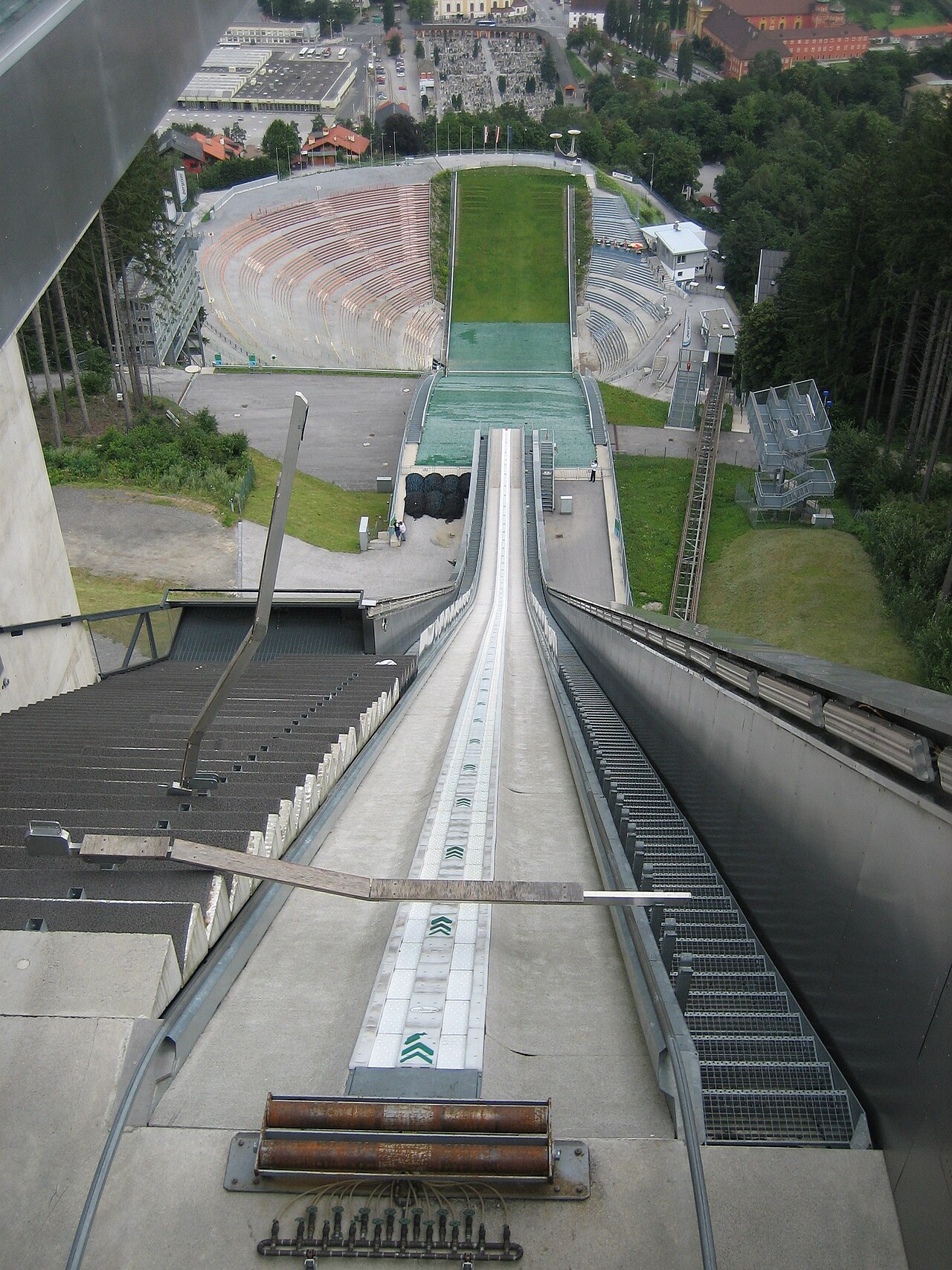
One of the great pleasures of Innsbruck is eating with a view. The restaurants at the Seegrube and on the Bergisel tower serve lunch with a panorama, and in summer, hikers can stop at Alpine huts for dumplings, soup and cake. Prices are higher at lift stations, so consider bringing a snack if you are on a budget, but the setting often makes it worth the extra cost. Remember that many mountain restaurants close in the low seasons, so check before you plan a meal around one.
Practical tips
Lunch is often the best value, as many restaurants offer a set menu at midday. Service is usually included, but rounding up the bill or leaving a small tip is customary; tell the server the total you want to pay when you hand over the money. Tap water is excellent and usually free if you ask for Leitungswasser. Many restaurants close one or two days a week, often Sunday evening and Monday, and kitchens in smaller inns may stop serving early in the evening, so book ahead for dinner, especially at weekends. A cover charge for bread is not standard, but if bread arrives at your table without being ordered, you may be charged for it.
Food experiences
If you want to learn more, several guided food walks and tasting experiences operate in the old town, covering regional specialities and local producers, and coffee and spirits tastings are available too. For an easy night out, the Tyrolean Evening show offers an optional dinner of soup, a main course and strudel, combining a meal with music and dancing. In the end, the best advice is to follow the locals: look for places where the menu is short, the dishes are seasonal and the tables are full.