Innsbruck is a city for all seasons, but each one offers a different experience. The mountains frame the city year-round, yet what you do there changes from skiing to hiking to quiet autumn walks. Here is a guide to choosing the right moment for your trip.
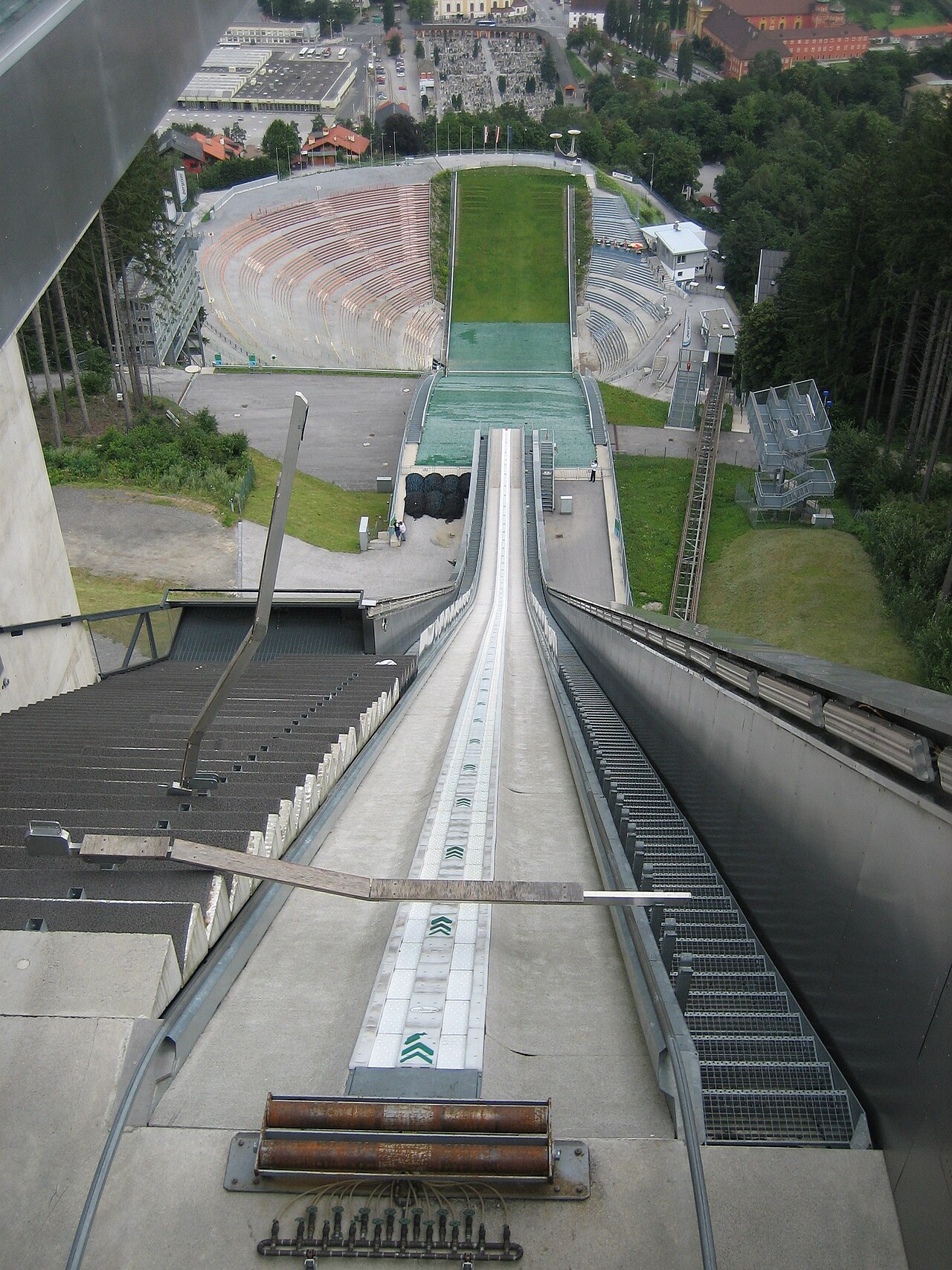
Winter, December to March: snow, skiing and Christmas lights. Winter is peak season, and for good reason. The Nordkette becomes a ski area that you reach straight from the old town, and ski resorts and glaciers such as Stubai are within an hour of the city. The Christmas market season starts in mid-November and fills the old town with lights, stalls and the smell of roasted chestnuts and mulled wine, and it runs into the new year. Expect cold, crisp days, often sunny after snowfall, and short daylight hours, so plan outdoor activities early. Hotels are busiest at Christmas, New Year and the school holiday weeks, so book early. The Bergisel ski jump is a highlight in early January, when the Four Hills Tournament comes to town, though sightseeing access is limited on competition days. Indoor attractions such as the Hofburg, the Court Church and Experience Tirol keep you busy on poor-weather days.
Spring, April to May: a quiet, changeable shoulder season
Spring is a time of contrast: the valley turns green and blossom appears on the trees while snow still covers the peaks. It is a quiet period, with fewer visitors and lower hotel prices, but the weather is changeable, and cable cars and some mountain huts usually pause for annual maintenance between the winter and summer seasons. Check the lift schedules before you plan a mountain day. This is an excellent time for city sightseeing, Ambras Castle and day trips such as Hall in Tirol or the Swarovski Crystal Worlds, when queues are short. Pack layers and a waterproof jacket.
Summer, June to August: hiking, long days and festivals
Summer brings the warmest weather and the longest days, with temperatures in the valley often pleasant to hot and the mountain trails open. The Nordkette cable cars and the Seegrube are at their busiest, with hikers, paragliders and mountain bikers sharing the slopes. Evenings are long and mild, perfect for a drink on a rooftop terrace or a late ride to the Seegrube. Open-air events and concerts take place in the old town and on Maria-Theresien-Straße. Afternoon thunderstorms are common in the mountains, so start early and check forecasts. Summer is also popular for family holidays, and hotels fill, so book ahead. Day trips to Krimml Waterfalls and the Stubai Glacier are at their best, and the glacier offers a cool escape from valley heat.
Autumn, September to early November: golden light and quiet trails. Early autumn is among the best times to visit. The weather is often stable and clear, the larches turn gold on the mountain slopes, and crowds thin after the summer holidays. September and early October are ideal for hiking and for views from the cable cars, with crisp air and long visibility. As the season advances, some mountain huts and attractions close for the quiet period, and the lifts have a maintenance break before the winter season begins. Some castles and museums also have shorter hours or a closed month, so check ahead for places such as Ambras. Late autumn can be grey and damp, which makes it a good time for museums and cosy inns.
Weather and what to pack
Innsbruck sits in a valley, so temperatures vary widely with altitude. The city can be warm while it is freezing on the Hafelekar, so always carry a warm layer, a hat and sunglasses if you plan to go up. Rain can arrive quickly, so a light waterproof is useful in any season. In winter, bring warm boots with grip, as pavements can be icy. In summer, bring sun protection and a refillable bottle. The foehn, a warm wind from the south, can bring sudden clear skies and mild temperatures, as well as headaches for some people.
Crowds and prices
Peak periods are the Christmas and New Year holidays, the February school breaks and the height of summer. Shoulder seasons, in spring and early autumn, offer lower prices and more space. Weekdays are quieter than weekends at popular spots such as the Golden Roof and the cable cars. Buying tickets online in advance helps in any season.
Our verdict
For a classic first trip, go in early autumn or late winter: you get clear mountain views, a good chance of sunshine and a balanced mix of city and mountains. For skiing and Christmas atmosphere, choose winter. For hiking and long days, choose summer. Whenever you go, allow flexibility in your plans and let the weather guide your choice of activity.