İzmir does not announce its past the way Ephesus does. There is no single ruined avenue to walk down, and the ancient city lies beneath a modern port of several million people. That is what makes it rewarding for history lovers: the layers are close together, and you read them by moving between a few places with a plan. This guide sets out an order that makes sense of Smyrna, from its beginnings to the cosmopolitan Ottoman port.
Where the story begins
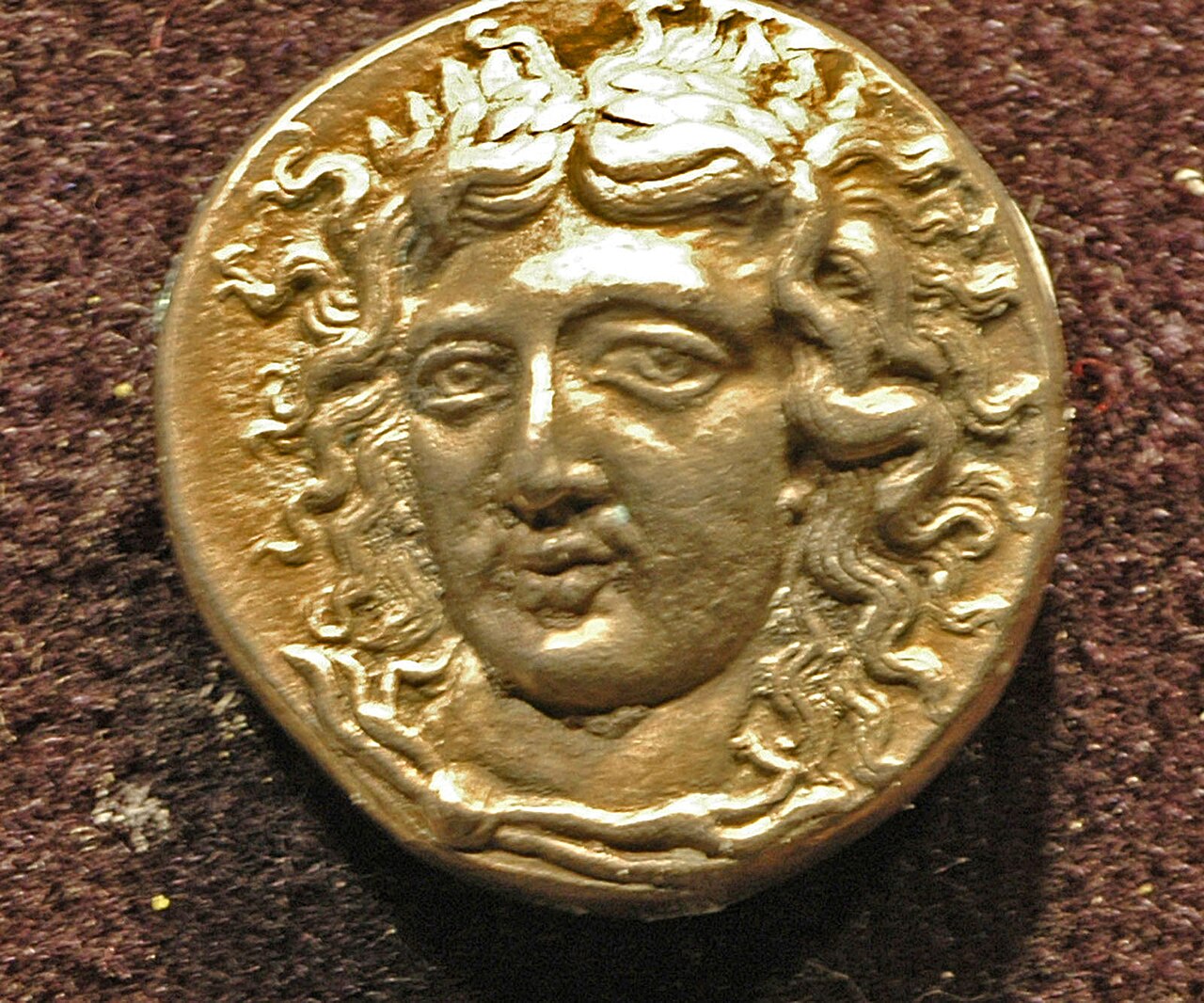
The earliest settlement of Smyrna was on the northern shore of the gulf, in the district now called Bayraklı, and the city later moved to the slopes around Mount Pagos. Greek Ionian Smyrna was a rival of Ephesus and Pergamon, and later it was refounded by the Hellenistic rulers who built on the hill above the modern centre. If you only have time to understand one idea, hold this one: the city moved, so its monuments are spread out. Start at the Archaeology Museum, where finds from the city and the region give you faces, tools and carved stone to attach to the names.
The Roman city at street level
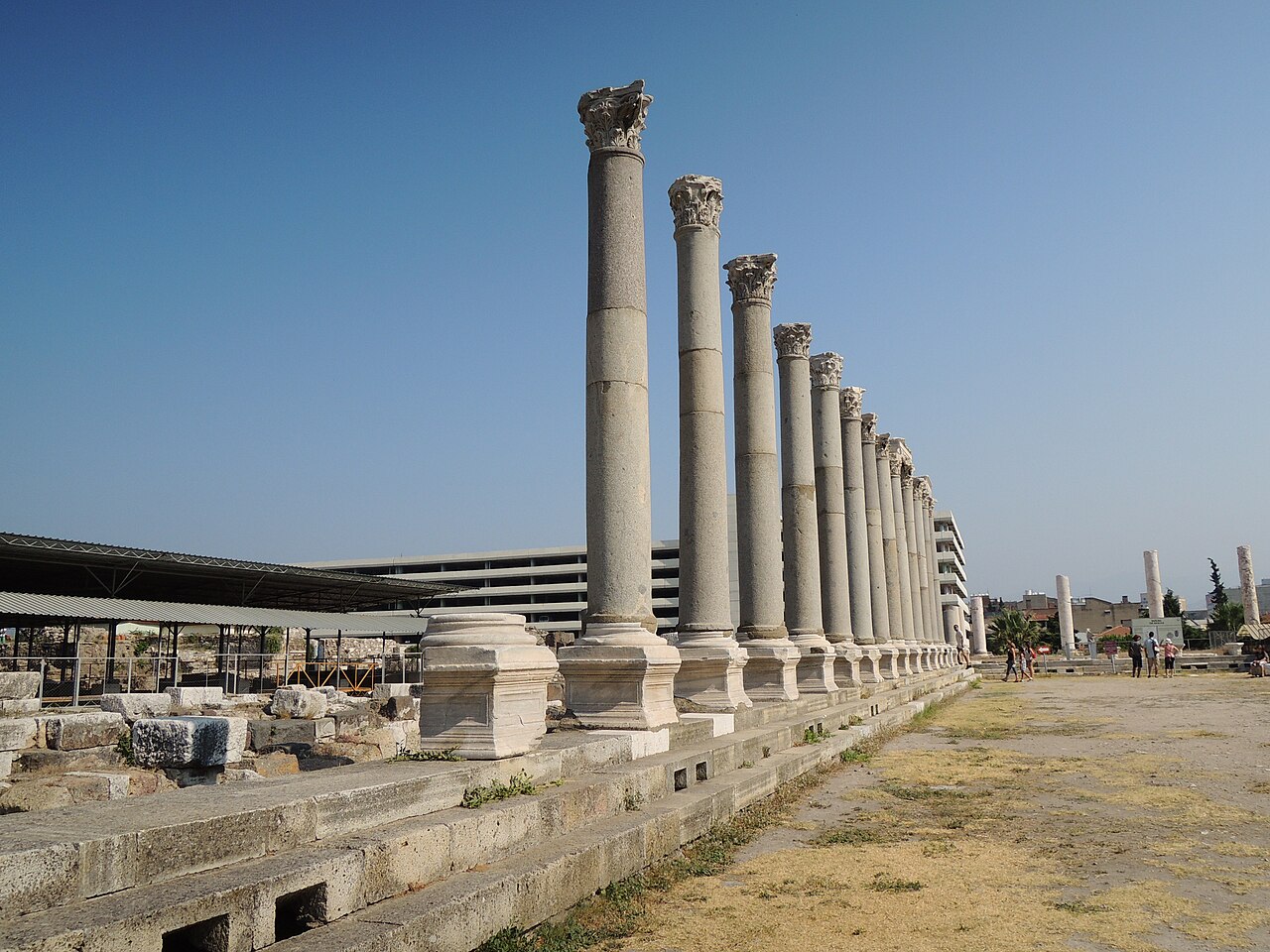
The Agora of Smyrna is the clearest place to feel Roman İzmir. Its arcades, vaulted cellars and fallen columns show how builders levelled a sloping site, and the ground is a quiet pocket beside the busy bazaar. Allow an hour, read the panels and then walk straight into Kemeraltı. The shift from ruin to market is the most telling moment in the city, because trading has continued on and around this ground for well over two thousand years.
The hill above
Kadifekale, the Velvet Castle, crowns Mount Pagos and was the Hellenistic acropolis. The walls you see are a mix of periods, and the real reward is the view across the gulf, which explains why the city sat here. Go in daylight and take a taxi or a bus, as the hill is a residential district and not a polished park. From the top you can see the Agora, the bazaar, the port and the gulf in one frame.
The Ottoman port
Kemeraltı is the living record of the Ottoman and Levantine city. Hans such as Kızlarağası Han, mosques, fountains and workshops sit in lanes that follow older paths. Konak Square with the Clock Tower and the Yalı Mosque adds the nineteenth-century view of the empire, and the 1907 Asansör elevator tells the story of how the city climbed its own hill. A guided old city walk helps here, because the details are small and easy to pass.
The Sephardic layer
After 1492, Jewish families expelled from Spain settled in İzmir, and the community shaped trade, music and food for centuries. A cluster of historic synagogues stands in the old quarter, and a guided synagogues tour gives access and explanation. It is one of the most distinctive things to do in the city, and it fits well in a morning in the bazaar.
A three-day history plan
Day one: Archaeology Museum, Agora, Kemeraltı and Konak. Day two: a day trip to Pergamon, with its steep theatre and the Asclepion, a healing sanctuary that was among the most famous medical centres of the ancient world. Day three: Ephesus for the Library of Celsus and the Great Theatre, or Sardis for the gymnasium and synagogue. If you have longer, add the Seven Churches of Revelation route, which links Smyrna, Pergamon, Sardis, Ephesus and the inland cities.
Choosing between Ephesus, Pergamon and Sardis
Ephesus is the largest and best preserved, and also the busiest. Pergamon has the most dramatic setting, high on a hill above the modern town, and it is quieter. Sardis is the rarest, a Lydian capital with a Roman gymnasium and one of the biggest ancient synagogues, and almost no crowds. Pick two if you can, and give each a full day.
Practical tips
State sites and museums keep winter hours from 1 October to 1 April, usually 08:30 to 17:30 with the ticket office closing at 17:00, so plan sightseeing for the middle of the day in winter. The Museum Pass The Aegean can be worth considering if you visit several state sites. Wear shoes with grip for uneven stone, carry water, and dress modestly at religious buildings. A guide is worth paying for at the Agora, Sardis and the synagogues, where the story is hard to read from signs alone.