Jaipur is a city for all seasons, but they are very different experiences. The best time to visit depends on how much heat you can tolerate, how much you care about crowds and prices and whether you want to see the city at a festival or in quiet. This guide walks through the year so you can choose.
October to March: the main season
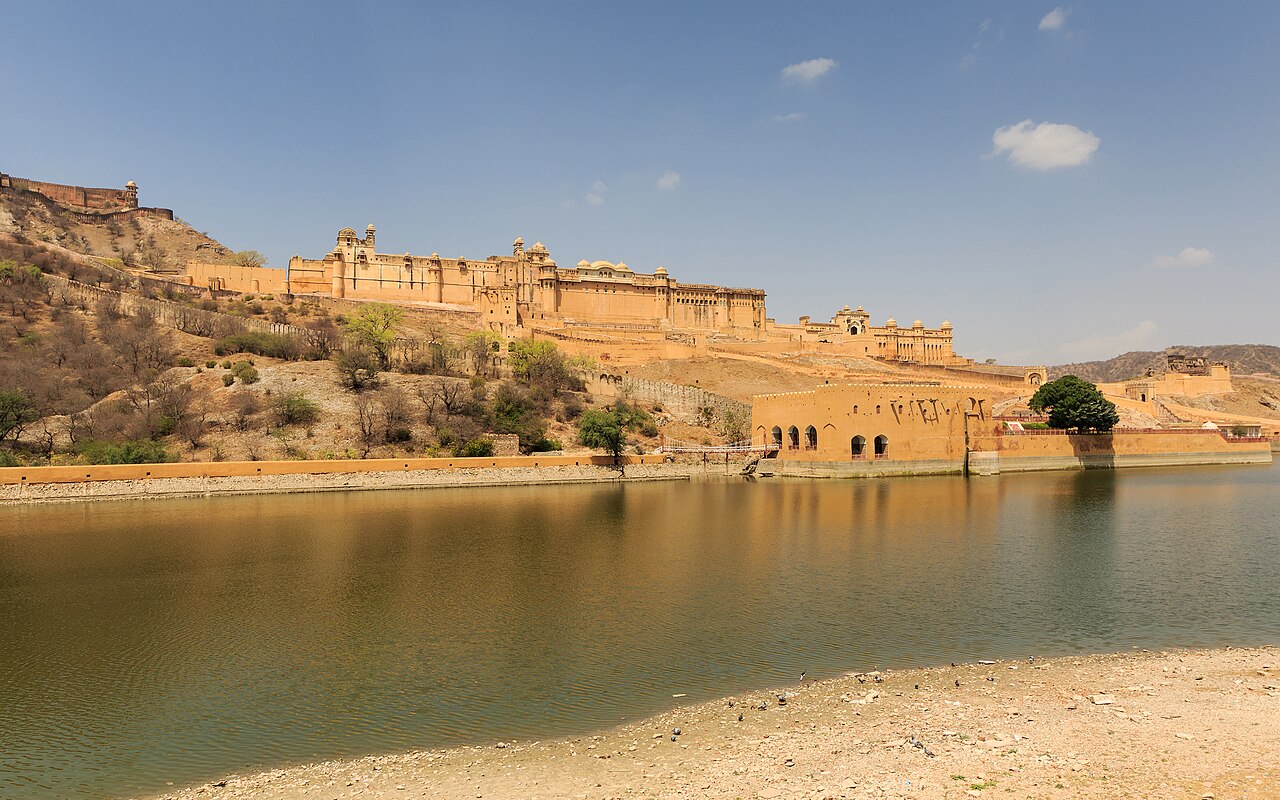
This is when most visitors come, and for good reason. Days are warm and sunny, skies are clear and nights are cool, which makes it comfortable to climb Amber Fort, walk the bazaars and stay out for sunset at Nahargarh. November and February are often the most pleasant months, with mild days and stable weather. December and January are the coolest, with chilly mornings and evenings and sometimes fog or haze, so pack a jacket and a scarf for early starts and open-air safaris. Hotel rates and flights are at their highest, and the big sights are busiest, so book hotels, guides and special experiences well ahead and start early to beat the crowds. Palace hotels, Ranthambore safaris and popular food walks can sell out.
October and November: festival season
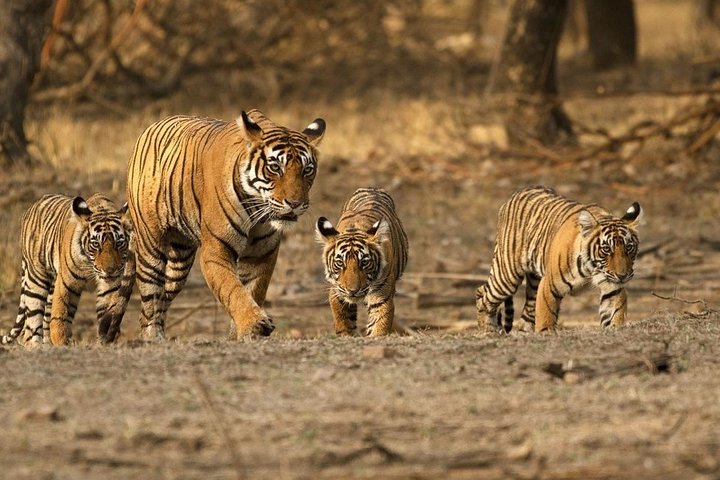
The festival of lights, Diwali, falls in October or November, and the markets glow with decorations, lamps and sweets. The city lights up, shops sell gifts and the streets are busy. Dates move each year, so check the calendar for the year you plan to travel. Ranthambore reopens its core zones in October after the monsoon break, which makes this a good time to add a tiger safari.
January: kites and books
Makar Sankranti in mid-January fills the sky with kites, and rooftops across the old city turn into battlegrounds. Later in the month, a large literary festival draws writers and readers from around the world, and the city fills quickly, so book early if you want to attend. It is a lively time to visit, but also a crowded and expensive one.
March and April: spring and the heat begins
March is still pleasant, especially early in the month. Holi, the festival of colours, usually falls in March, and Gangaur, a festival honouring the goddess Parvati, brings processions and colourful costumes through the old city in the spring. Afternoons start to heat up by late March, and April is usually hot. If you travel in this period, plan sightseeing for the morning, rest in the middle of the day and resume after the sun lowers.
May and June: peak heat
Summer in Jaipur is very hot, with strong sun and dry air, and daytime temperatures can climb well above forty degrees Celsius. Visitors are few, and hotels offer their best rates, so it can suit those on a budget who can handle the heat. If you come, start sightseeing at dawn, use air-conditioned museums and hotels in the afternoon, and drink plenty of water. Avoid long walks in the middle of the day, and consider a pool-side hotel. Wildlife safaris can be rewarding, but the heat makes them tough.
July to September: the monsoon
The rains arrive in the summer and turn the Aravalli hills green, and the lakes fill so that Jal Mahal looks its best. Humidity is high and showers can be heavy, but the landscape is lovely, crowds are thin and prices are low. Teej, a monsoon festival for women, brings processions, swings, songs and the sweet ghewar to the streets. Rain can disrupt sightseeing, and some outdoor attractions, including wildlife reserves, close for part of the season, so check before you go. Carry a light rain jacket, wear shoes that grip wet stone and be flexible about plans.
Choosing your month
If you want comfortable weather and are happy with crowds, choose November, February or early March. If you want festivals, choose October to November for Diwali, January for the kite festival and the literary gathering, or spring for Holi and Gangaur. If you want solitude and low prices, consider the monsoon, but be prepared for rain. If you are on a tight budget, shoulder months such as late March or early October give a good balance.
Planning tips
Whatever the season, begin each day early, carry water and sun protection and keep the middle of the day for rest. Book hotels and key tours ahead in winter, and confirm opening hours and seasonal closures before you go. Palaces and temples are usually open every day, though some sights have a weekly closing day, so check before you plan. With good timing and a flexible plan, Jaipur is a rewarding place at any time of year.