Three days is the sweet spot for Jaipur. It is long enough to see the great forts and palaces without rushing, and short enough that you leave wanting more. This plan groups sights by geography so you spend your time looking rather than sitting in traffic, and it leaves room for a long lunch and a rest in the middle of the day, which matters when the sun is strong.
Before you start
Jaipur is spread out, so arrange a driver or use app-based taxis rather than planning to walk between districts. Start early each day, because the best light and the smallest crowds come in the first two hours after opening. Dress modestly for palaces and temples, carry water and sunscreen, and keep a small amount of cash for tickets, tips and stalls. Monuments run by the state share a composite ticket arrangement, while City Palace has its own ticketing, so check the current terms before you buy several single tickets.
Day one: the northern forts and the lake
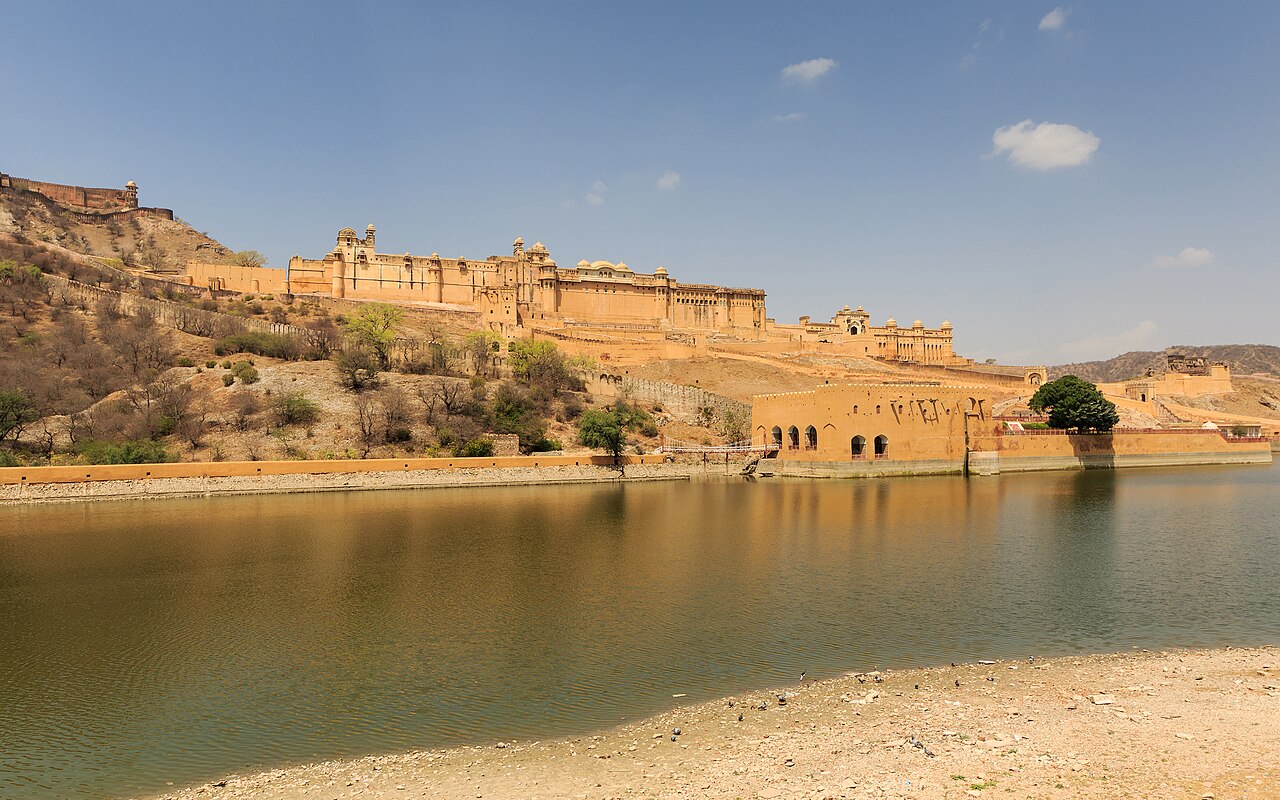
Leave early for Amber Fort and walk up through the gates and courtyards before the tour groups arrive. Spend time in the Sheesh Mahal, the hall of mirrors, and along the ramparts, where the views over Maota Lake are some of the best in Rajasthan. A guide is well worth the fee here, because the details are easy to miss. From Amber, continue uphill to Jaigarh Fort for the giant cannon, the water tanks and the long ridge-top walls, which are usually much quieter. On the way back to the city, stop at Jal Mahal for a few minutes at the lakeside promenade. After a midday rest and lunch, drive up to Nahargarh Fort in the late afternoon and watch the city lights come on as the sun goes down. It is a full day, but the sights sit close together, and a private half-day tour can handle the logistics if you prefer.
Day two: the walled city
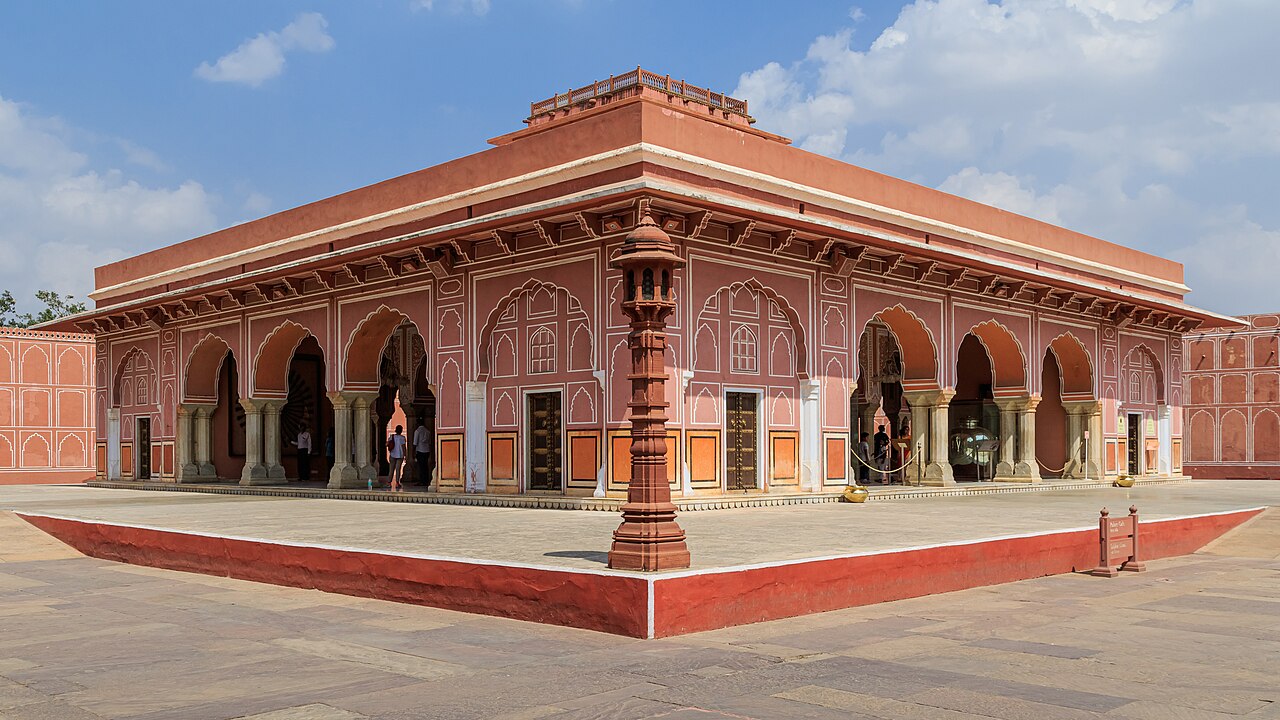
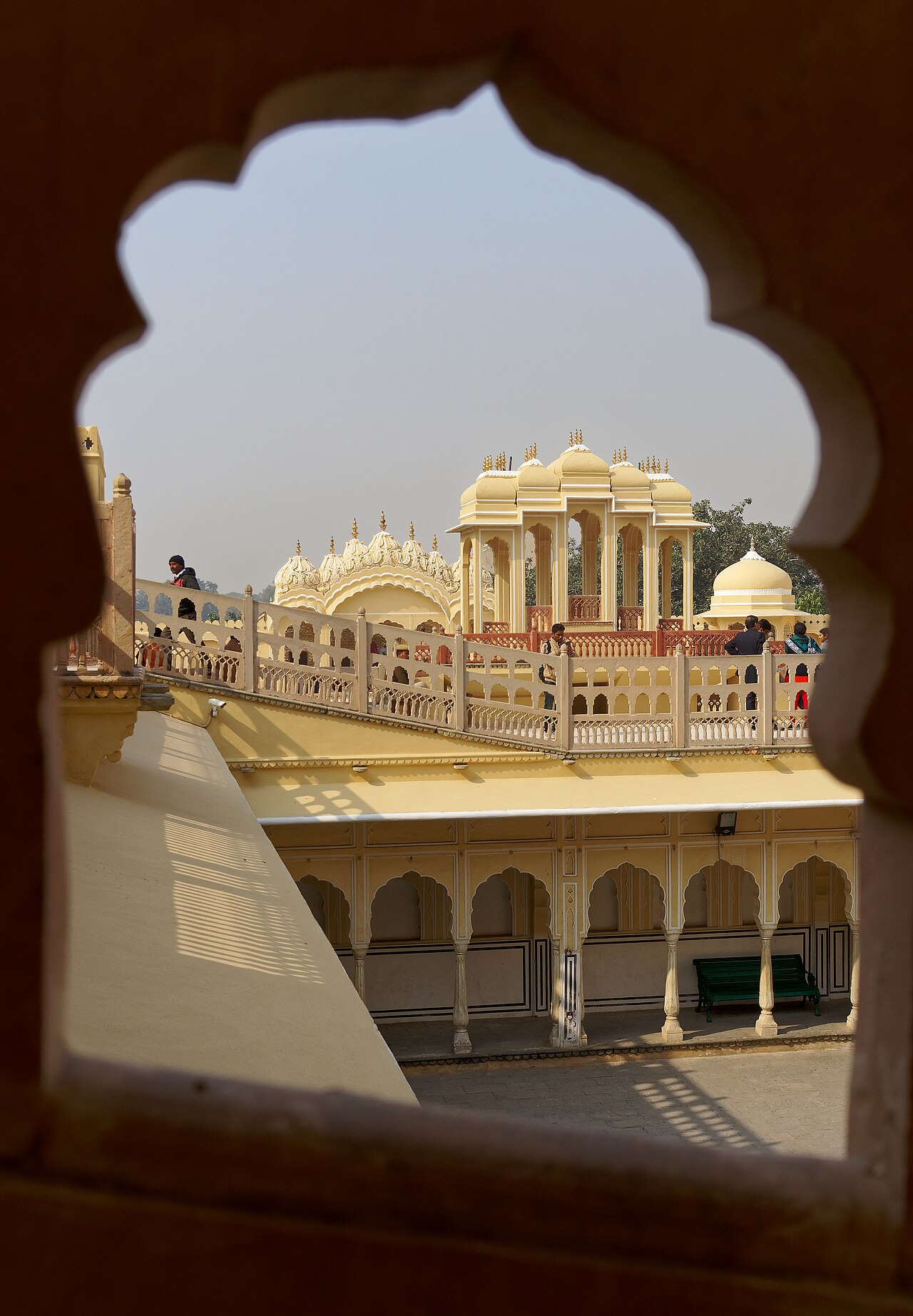
Start at City Palace when it opens, and take your time in the courtyards, the Peacock Gate and the museum galleries. Next door, Jantar Mantar is best with a guide who can explain how the giant instruments read the sky, and the morning light gives the best shadows on the sundials. Walk to Hawa Mahal, the honeycomb facade of the Palace of Winds, and take a coffee on a rooftop opposite to photograph it. If you enjoy temples, add a short visit to Govind Dev Ji in the palace gardens, where the daily aarti is a living piece of the city's faith. Spend the afternoon in the bazaars, wandering Johari Bazaar for jewellery and Bapu Bazaar for textiles and sandals, and take a break for chai in a clay cup. A guided food and bazaar walk in the late afternoon is a fine way to sample the city, and it ends in time for dinner in the old city. If you want a quieter pace, finish with Albert Hall Museum at dusk, when its facade is lit.
Day three: crafts, temples and an evening out
Choose a theme for your last day. If you like making things, begin with a hands-on block-printing class, then visit Sanganer to see artisans stamp cloth and press handmade paper. If you prefer sights, head to Galta Ji, the monkey temple in its hillside gorge, for a short walk among pools and pink pavilions, and finish with the sun temple on the ridge for a view over the city. If wildlife appeals, a morning safari at Jhalana Leopard Reserve fits easily into a half day, leaving the afternoon for the museum or a long lunch. Whichever you choose, end the day with an evening at a themed Rajasthani village such as Chokhi Dhani, or with a quiet dinner on a rooftop restaurant, and go back to your hotel with a full stomach.
If you only have two days
Drop day three, combine the two forts with the walled city in a single long day, and keep the other day for Amber and a food walk. If you can add a fourth day, a trip to Abhaneri stepwell or the Ranthambore tiger reserve is the obvious choice.
Pacing and practicalities
Do not try to cram in every sight. Jaipur is hot for much of the year, and even in winter the sun is strong at midday, so schedule rests between the morning and afternoon sessions. Eat at busy places, drink bottled or filtered water, and be ready for shopping stops on guided tours, which you can politely decline. Traffic is heavy in the evening, so allow extra time to get anywhere, and book your most important experiences, such as a guided Amber visit and a food walk, a few days ahead in the winter season.
Where to base yourself
Rambagh Palace and Jai Mahal Palace give a palace stay, Samode Haveli puts you in the old city, and Hotel Pearl Palace is a good budget base with a rooftop restaurant. Whichever you choose, ask the front desk to confirm early starts and airport transfers.