Jerusalem sits high in the Judean hills, which gives it a more temperate feel than the coast or the Dead Sea, but it still has a clear pattern of seasons and a calendar of holidays that shapes crowds, prices and opening hours. The best time for you depends on whether you value comfortable walking weather, quiet streets or the chance to see festivals.
Spring: the favorite
From about March into May the days are warm without being hot, wildflowers appear in the hills and the light is soft on the stone. This is the most popular period for visitors, especially around Easter and Passover, when hotels fill and prices rise. Book early if your dates overlap with those holidays. Weather can still be changeable in early spring, with a few rainy days, so pack a light jacket.
Summer: hot days and cool evenings
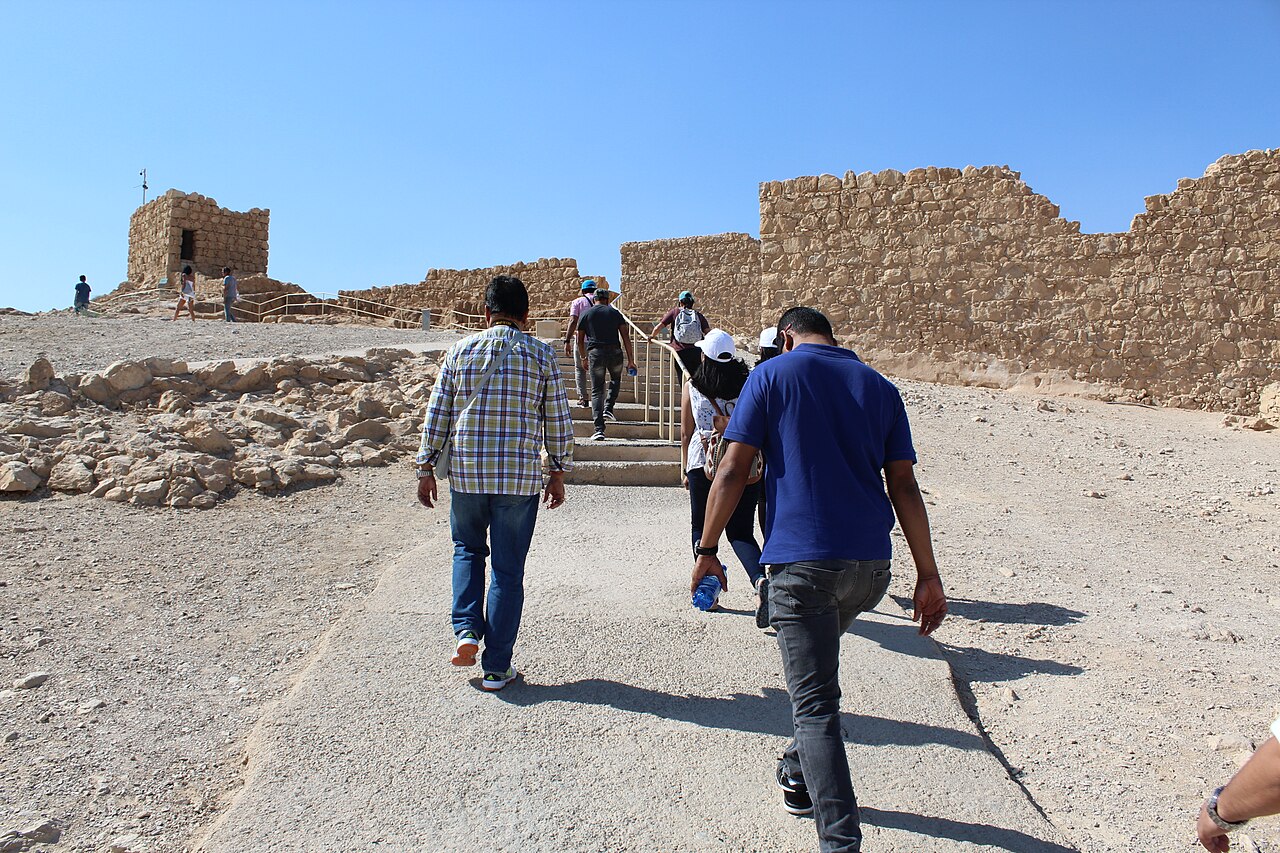
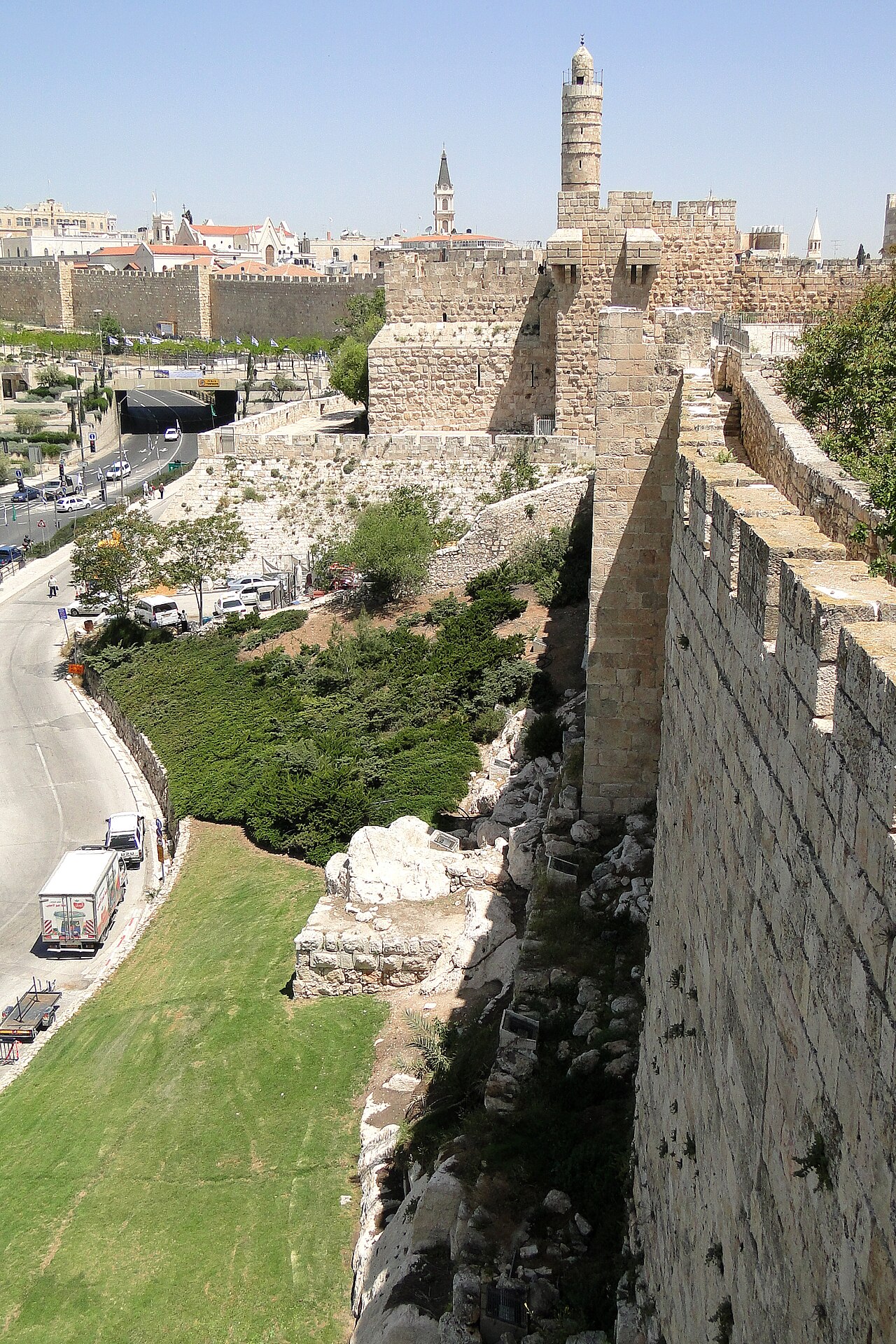
From roughly June to September days are dry and often hot, though the altitude means evenings are cooler than on the coast. Shade is limited on the ramparts and in open courtyards, so plan sightseeing for the morning, take a long lunch indoors and return to the streets as the sun lowers. It is also the best season for the Dead Sea, since the sea is warm, but the desert plateau at Masada can be very hot, so start early and carry plenty of water. Summer is a busy season for families, and some tours sell out.
Autumn: a second sweet spot
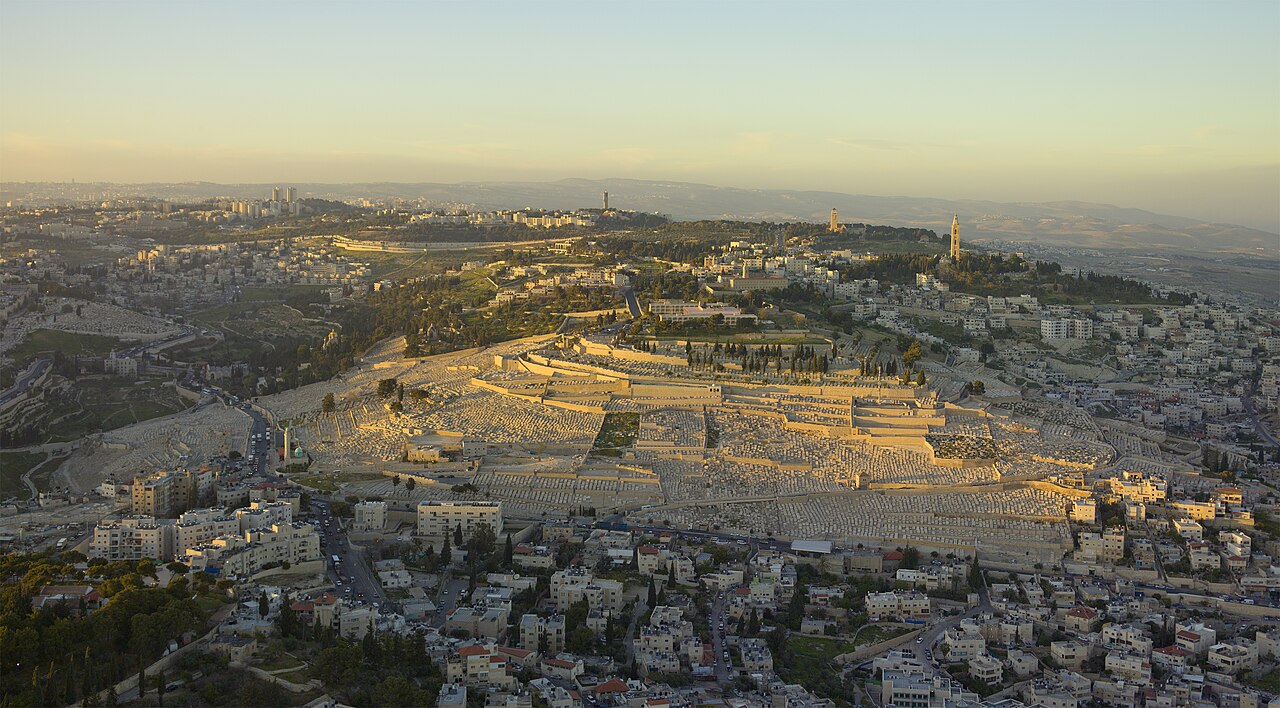
From late September into November the heat eases, the light is golden and crowds can be lighter than in spring outside the holiday weeks. The weather is usually pleasant for walking the Old City, the Mount of Olives and the market. The autumn Jewish holidays bring closures and busy hotels, so check the calendar when you choose your dates.
Winter: cool, rainy and quiet
From December to February Jerusalem can be cold, wet and windy, with an occasional dusting of snow in some years. Crowds are thinner, prices are often lower and the Old City has a moody beauty on gray days. Pack waterproof shoes, a warm layer and an umbrella, remember that stone steps become slippery in rain and expect some outdoor viewpoints to be less enjoyable in poor visibility. Christmas brings its own pilgrim crowds to the Christian sites.
Holidays and the Sabbath
Jewish holidays follow the Hebrew calendar, so their Gregorian dates move each year, and during major holidays many shops, restaurants, museums and public transport close or run limited schedules. The Christian calendar shapes crowds at the Holy Sepulchre, the Via Dolorosa and the Mount of Olives, particularly around Easter, and Muslim observances, including Ramadan, change opening patterns and the atmosphere in the Old City. This is not a reason to avoid those times, which can be extraordinary, but you should check dates when you plan, leave extra time and be flexible. The weekly Sabbath, from Friday afternoon to Saturday evening, has a similar effect on a smaller scale.
Which season suits whom
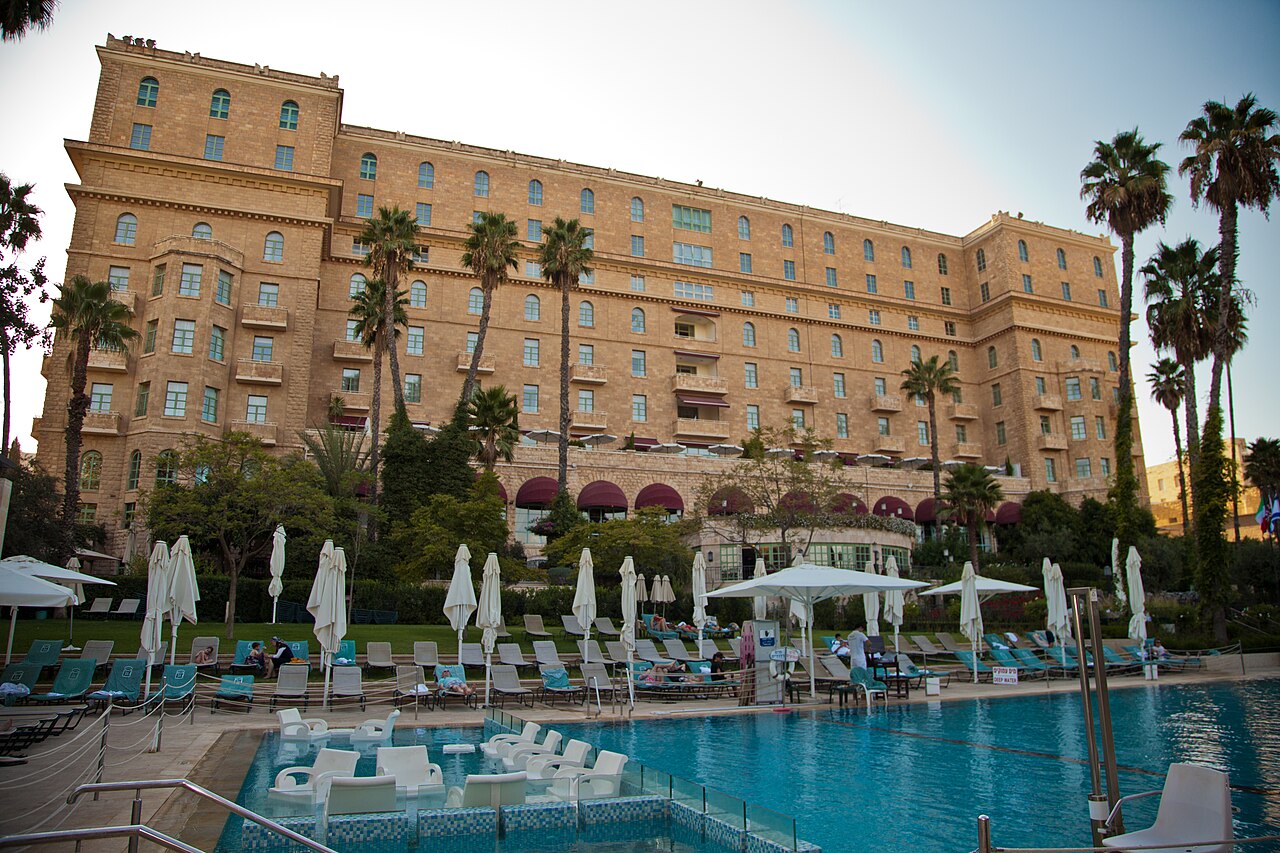
First-time sightseers will be happiest in spring or autumn, when walking is pleasant and everything is open. Budget travelers should look at winter, outside the holiday weeks. Families often choose summer vacations, with morning sightseeing and afternoons by a hotel pool. Photographers will enjoy the golden light of autumn and the clear days after winter rain. If you want the Dead Sea at its most comfortable, visit outside the peak summer heat.
What to pack
Comfortable closed shoes with grip, layers that can be added or removed, sun protection, a hat, a scarf for covering shoulders at religious sites and a refillable water bottle. A small day bag helps with security checks. In winter add waterproofs, and in summer add a swimsuit and towel for the Dead Sea.
Hotels and timing
Prices rise and rooms sell out around the big holidays, so book early if your dates are fixed. A hotel with a pool, such as the Inbal Jerusalem or the King David Jerusalem, makes summer more comfortable, while a central hotel near Jaffa Gate keeps winter sightseeing simple. Before you travel, check current travel advisories from your own government and keep your bookings flexible.
Planning around the seasons
If you can choose freely, aim for the shoulder weeks of April to May or October to November, when the weather is mild, the light is good and daily life in the city is in full swing. Build in a spare half day so that a rainy morning or a closed site does not derail the plan, and put the outdoor highlights, such as the ramparts walk and the Mount of Olives, on your clearest days.