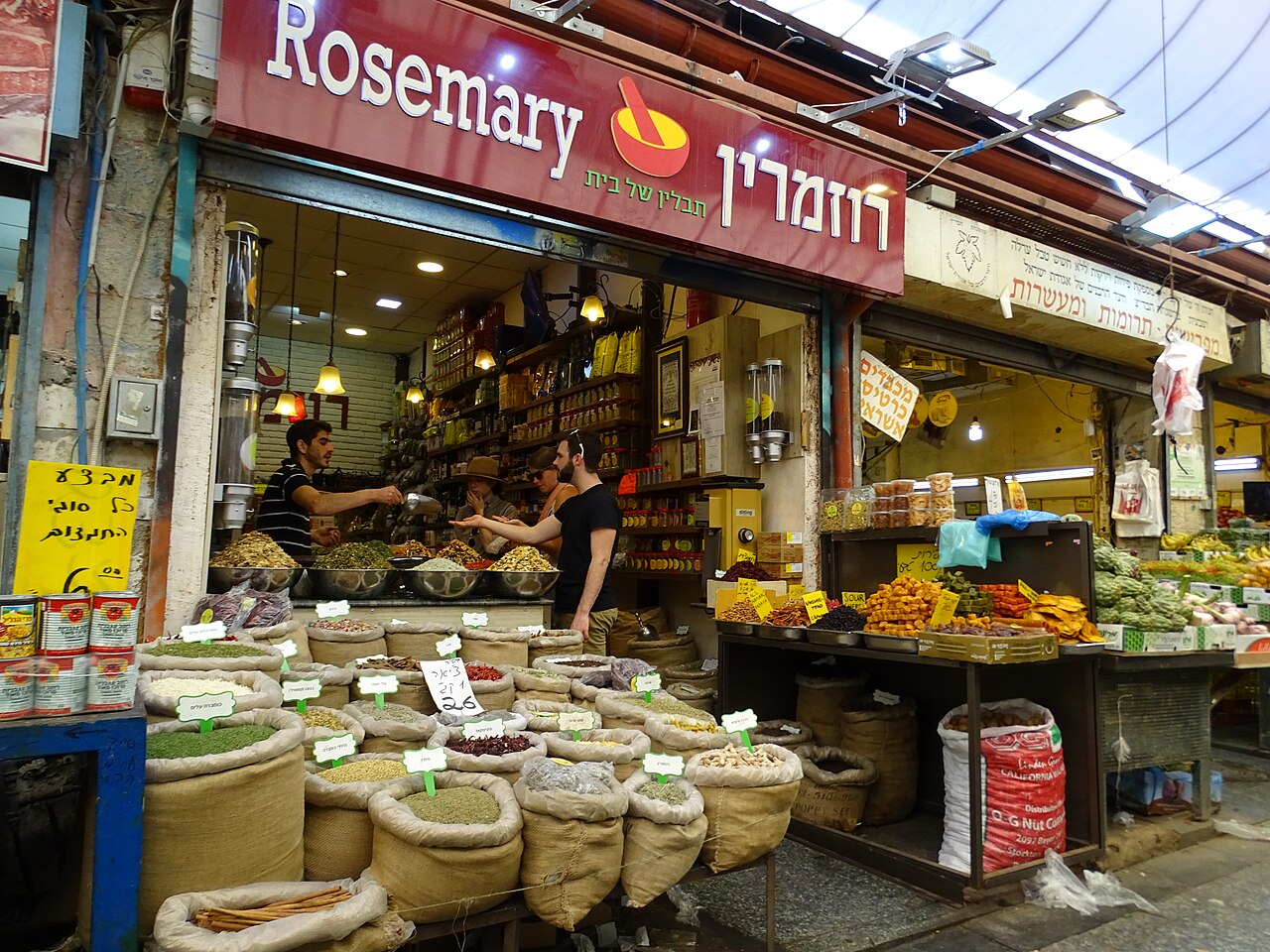
Jerusalem is a wonderful place to eat because its communities have each brought dishes, spices and habits to the table, and the result is a food culture that is generous, informal and full of small plates. You do not need to book fine dining to eat well here, because many of the most memorable bites come from market stalls, bakeries and small counters. This guide covers the dishes to try, where the food scene is concentrated and a few rules of the road.
The dishes to look for
Start with hummus, served warm with olive oil and often with whole chickpeas, tahini and fresh pita. Falafel in a pita with salad and sauces is the classic quick meal, and sabich, a pita stuffed with fried eggplant, egg, salad and tahini, is a favorite of Iraqi Jewish origin. Shakshuka, eggs poached in a spiced tomato sauce, is breakfast or brunch food, while burekas, flaky pastries filled with cheese or potato, are sold at bakeries for a cheap snack. The Jerusalem mixed grill, a griddle dish of chicken parts with onion and spices, is a local specialty. Look for soft sesame bread rings sold from carts in the morning, olives and pickles at market stalls, and kubbeh, dumplings in soup, in traditional kitchens.
Sweets and drinks
Halva, sold by weight in many flavors, makes a good edible souvenir. Rugelach, small rolled pastries, are a market favorite, and knafeh, a warm cheese pastry soaked in syrup, is a staple of Arab bakeries in the Old City and beyond. Coffee is taken seriously, often as espresso-style drinks or in the traditional cardamom-scented Arabic style, and fresh-squeezed pomegranate or orange juice is sold at street stands. Israeli wines have improved greatly in recent decades, and the Judean Hills nearby are one of the regions that produce them. Craft beer and cocktail bars have multiplied around the city center.
Mahane Yehuda Market
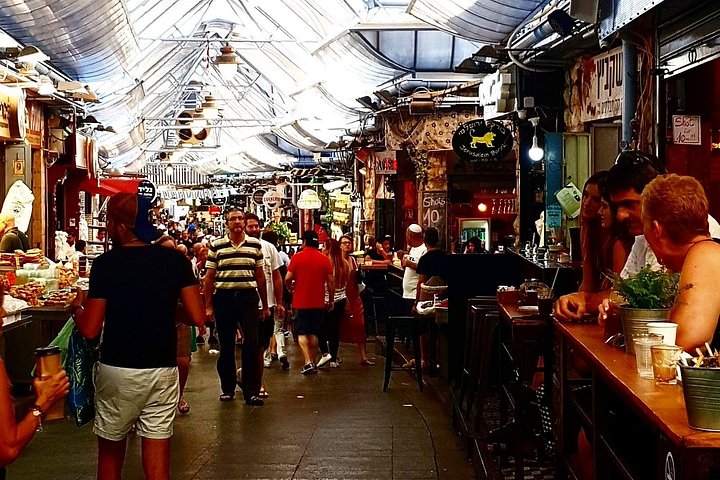
The market is the heart of the food scene. By day it is a working market of produce, fish, spices, nuts, breads and cheeses, with the stalls laid out in covered lanes and open-air streets. In the evening, as the produce stalls close, many of the same lanes fill with bars, small restaurants and music. Go early to shop, return later to eat and drink, and carry some cash for small stalls. It closes early on Friday afternoon and is quiet on Saturday. If you want to understand what you are tasting, a private tasting tour is a good way to learn the market, and it works well early in your trip so that you can then explore on your own. Our market guide covers the practical details.
Eating in the Old City
Within the walls, the Muslim and Christian Quarters have many small restaurants and counters serving hummus, grilled meats, falafel and pastries, and the Jewish Quarter has its own cafes and eateries. Prices are modest at simple counters, and tourist-oriented restaurants near the main gates cost more for similar food. A good habit is to walk one lane away from the busiest spots. Opening times differ by area, so you may find that some Old City places stay open on Saturday while many in the Jewish areas of the new city do not.
Kosher basics
Many restaurants in the Jewish parts of the city are kosher, which means that meat and dairy are served separately and that places are usually either a meat restaurant or a dairy one, with no mixing on the menu. Kosher restaurants close for the Sabbath, from Friday afternoon until Saturday evening. If you keep other dietary rules, ask staff, since vegetarian and vegan options are easy to find, particularly in the hummus and falafel shops and the dairy cafes.
The Sabbath and eating plans
Because so many places close on Friday evening and Saturday, plan ahead. Buy picnic food on Friday morning at the market, book a Friday dinner if you want a meal out, and look for restaurants in the Old City or in areas that stay open. Some hotels serve a Sabbath meal to guests, and organized Shabbat dinners with local hosts are a memorable experience if you can find one.
Practical tips
Tipping at sit-down restaurants is customary, at around ten to fifteen percent, and often not included on the bill. Portions of mezze-style starters are generous, so share and order in rounds. Tap water is drinkable. Cards are accepted in most places, and cash is handy at stalls. Eat early in the day when the heat is lower, and keep room for the evening at the market.
Where to stay for food
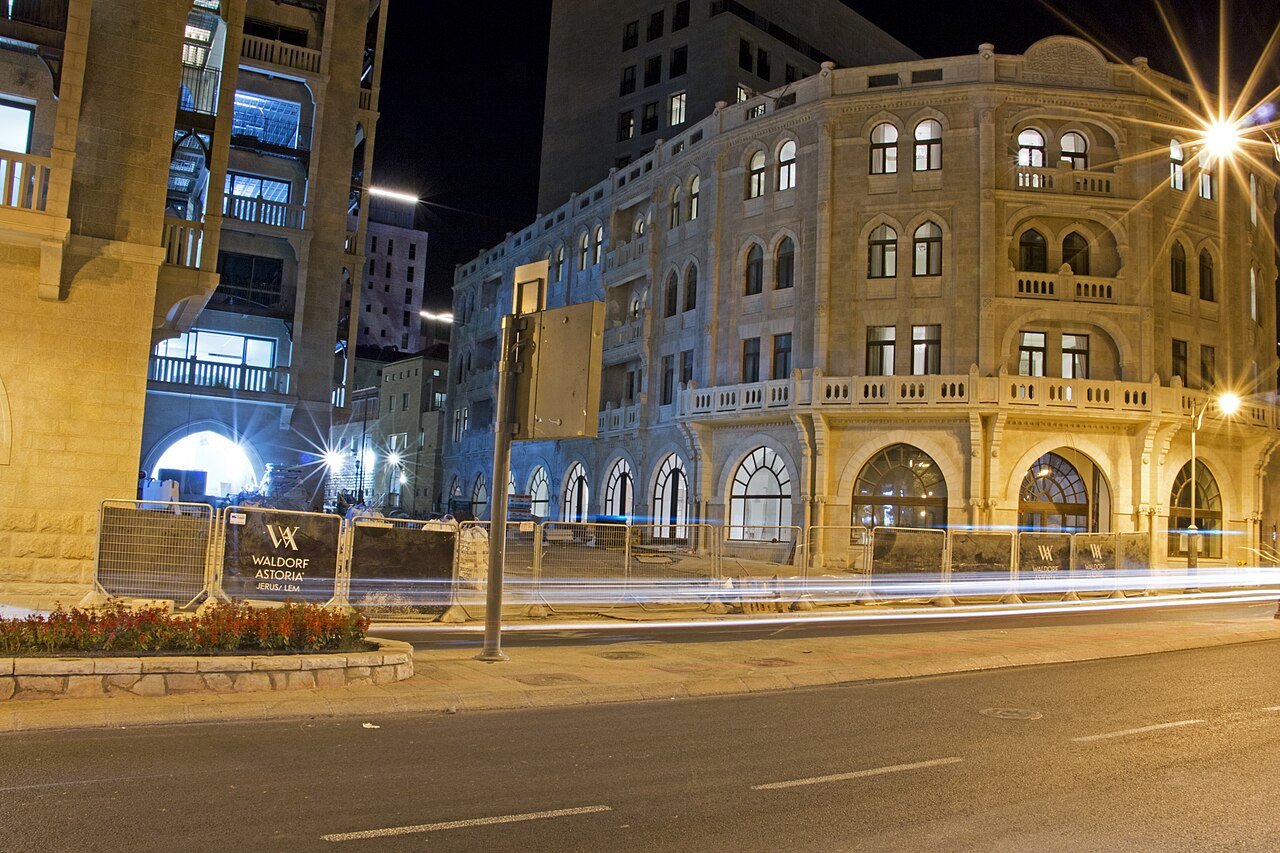
Staying near the center puts you within walking distance of the market, Ben Yehuda Street and Mamilla. Abraham Hostel Jerusalem is close to the market and has a lively social scene, while the Waldorf Astoria Jerusalem is central and includes breakfast.