Jerusalem is a compact city with an enormous amount to see, and a first visit goes best with a simple plan. The Old City alone can fill two days, and the museums, the market and a day out to the desert add up to a satisfying long weekend or a relaxed week. Here is how to organize it.
Before you go
Check current travel advisories from your own government before you go, and look at your airline and travel insurance terms, since conditions in the region can change and some tours may be rearranged at short notice. Keep bookings flexible where you can, confirm opening times close to the day, and allow extra time for security checks at major sites.
How many days
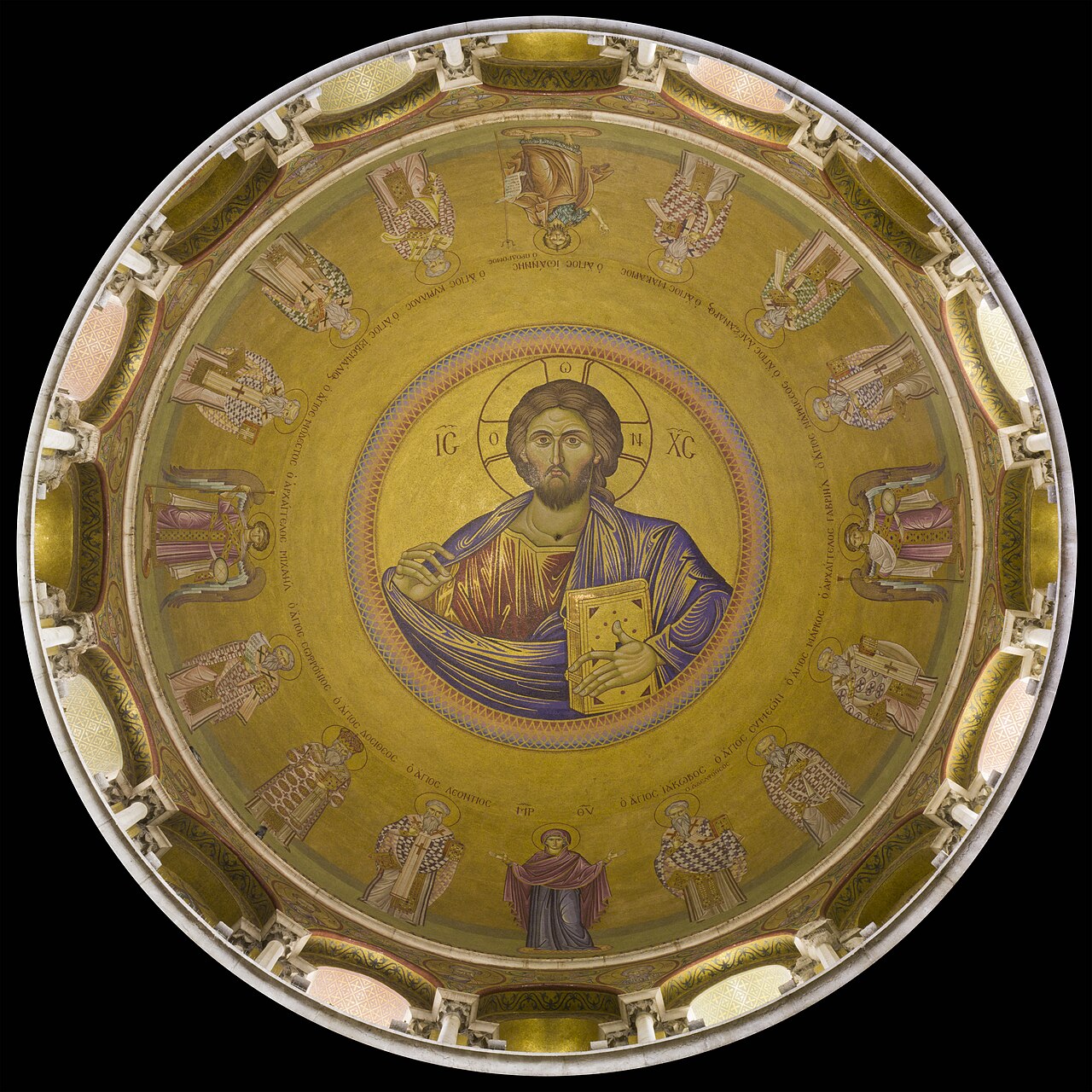
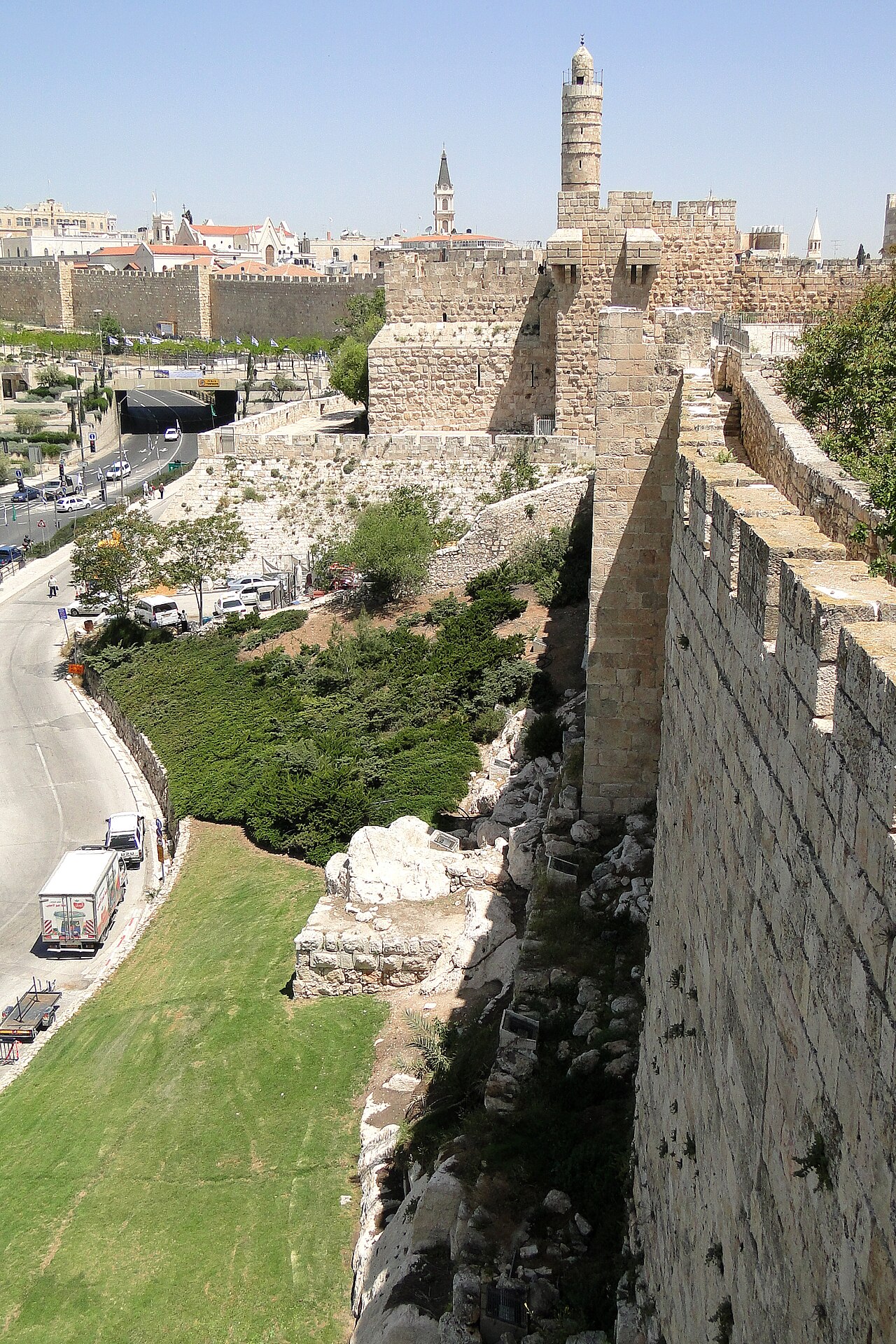
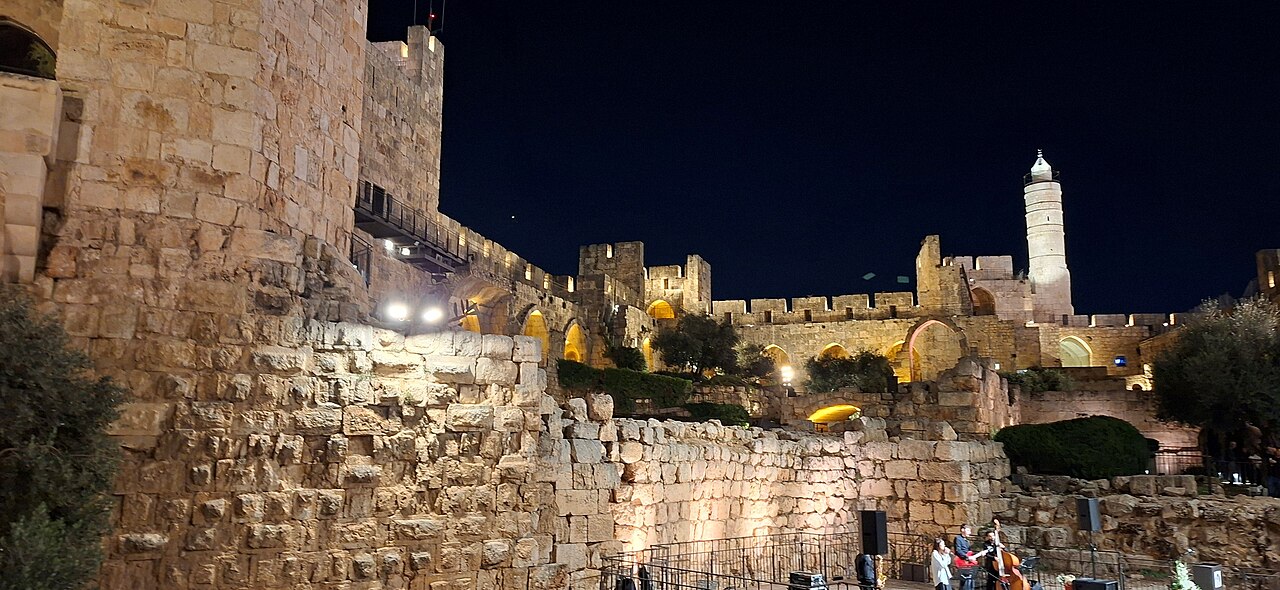
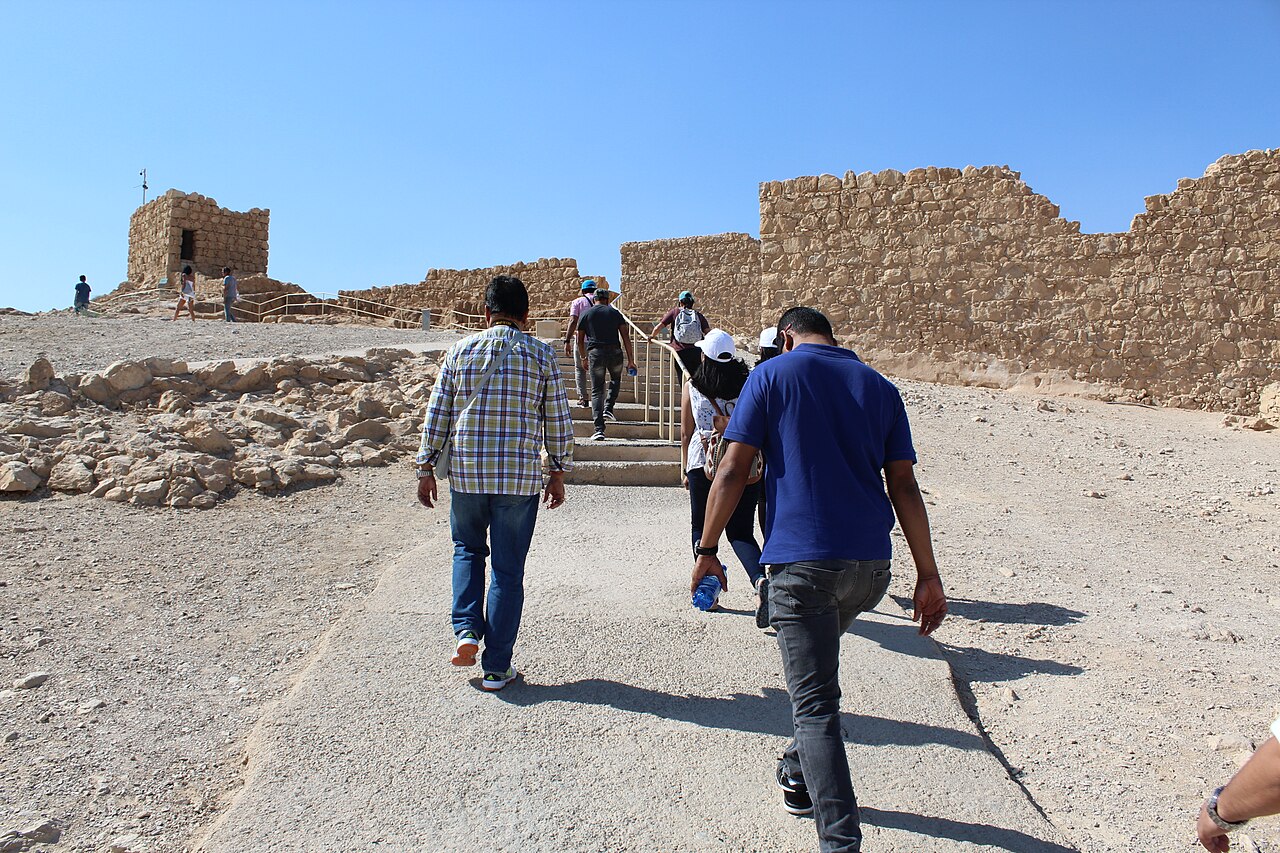
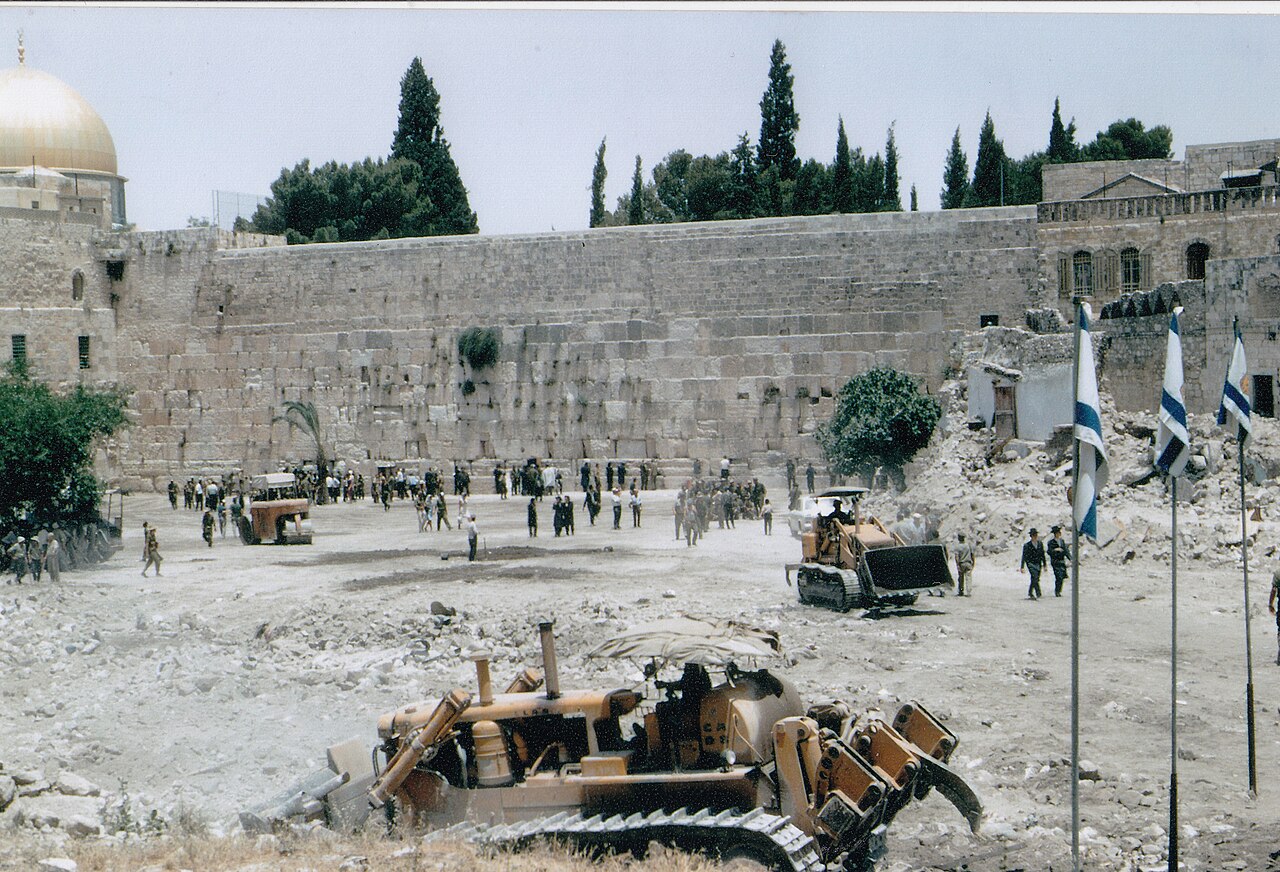
Give the Old City two days at least. Spend one on the Western Wall, the Jewish Quarter and the ramparts walk, and one on the Church of the Holy Sepulchre, the Via Dolorosa and the Tower of David Museum. Add half a day for the Mount of Olives, half a day for Mahane Yehuda Market and an evening meal, a day for the Israel Museum and Yad Vashem, and a day for Masada and the Dead Sea. Five full days is comfortable.
What to book ahead
Yad Vashem needs an advance reservation, even though entry is free. The Western Wall Tunnels are visited by guided tour at set times, so reserve them as early as you can and keep your plans flexible in case a tour is cancelled. A ticket for the Israel Museum or the Tower of David Museum saves time at busy periods, and the Masada and Dead Sea day trip is best fixed a few days ahead, particularly at weekends and holidays. The Western Wall plaza, the Holy Sepulchre, the Via Dolorosa, the Mount of Olives and the market are free and need no tickets.
Mind the Sabbath and holidays
From Friday afternoon to Saturday evening, many shops, restaurants, museums and attractions close or run reduced hours, and public transport is limited. Jewish holidays follow a similar pattern, and Friday prayers and Sunday services affect the Muslim and Christian quarters. Plan your quiet or flexible days around this, and buy what you need on Thursday or Friday morning.
Dress and behavior
Dress modestly at religious sites, with shoulders and knees covered, and carry a light scarf. Men should cover their heads at the Western Wall. Keep your voice low in prayer areas, ask before photographing people and follow signs.
Getting around
The Old City is walkable but steep, with stairs and uneven stone, so wear sturdy shoes. Outside the walls, the light rail runs along Jaffa Road and is handy for the city center, Mahane Yehuda and Mount Herzl. Taxis and ride-hailing apps cover the Israel Museum, Yad Vashem and the Mount of Olives, and guided tours handle the Dead Sea. Check what is running on the Sabbath.
A simple first day
Start at Jaffa Gate with the Tower of David Museum, walk the ramparts if you have the energy, then wander down David Street into the markets. Finish at the Western Wall plaza at dusk. Spend the second morning on the Via Dolorosa and the Church of the Holy Sepulchre, and the evening at Mahane Yehuda Market.
Where to stay
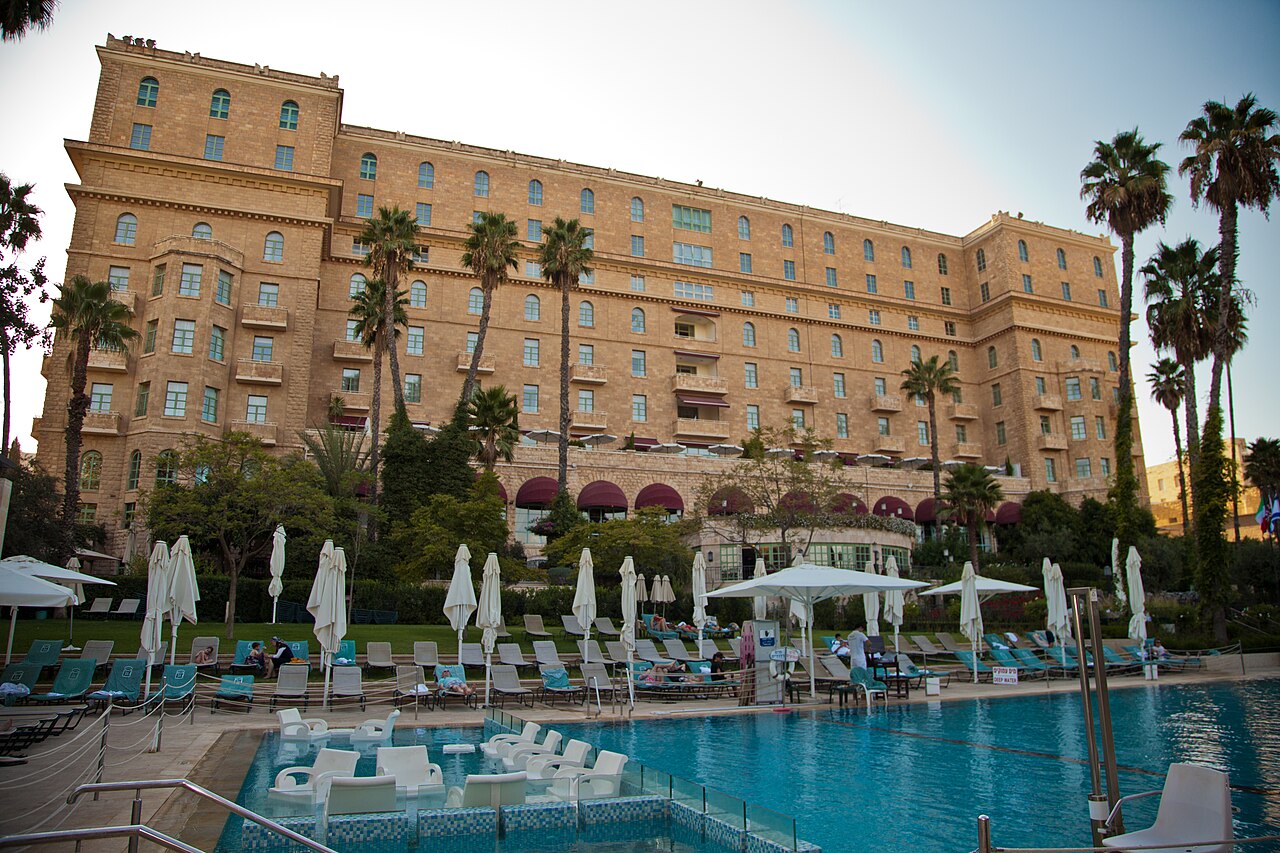
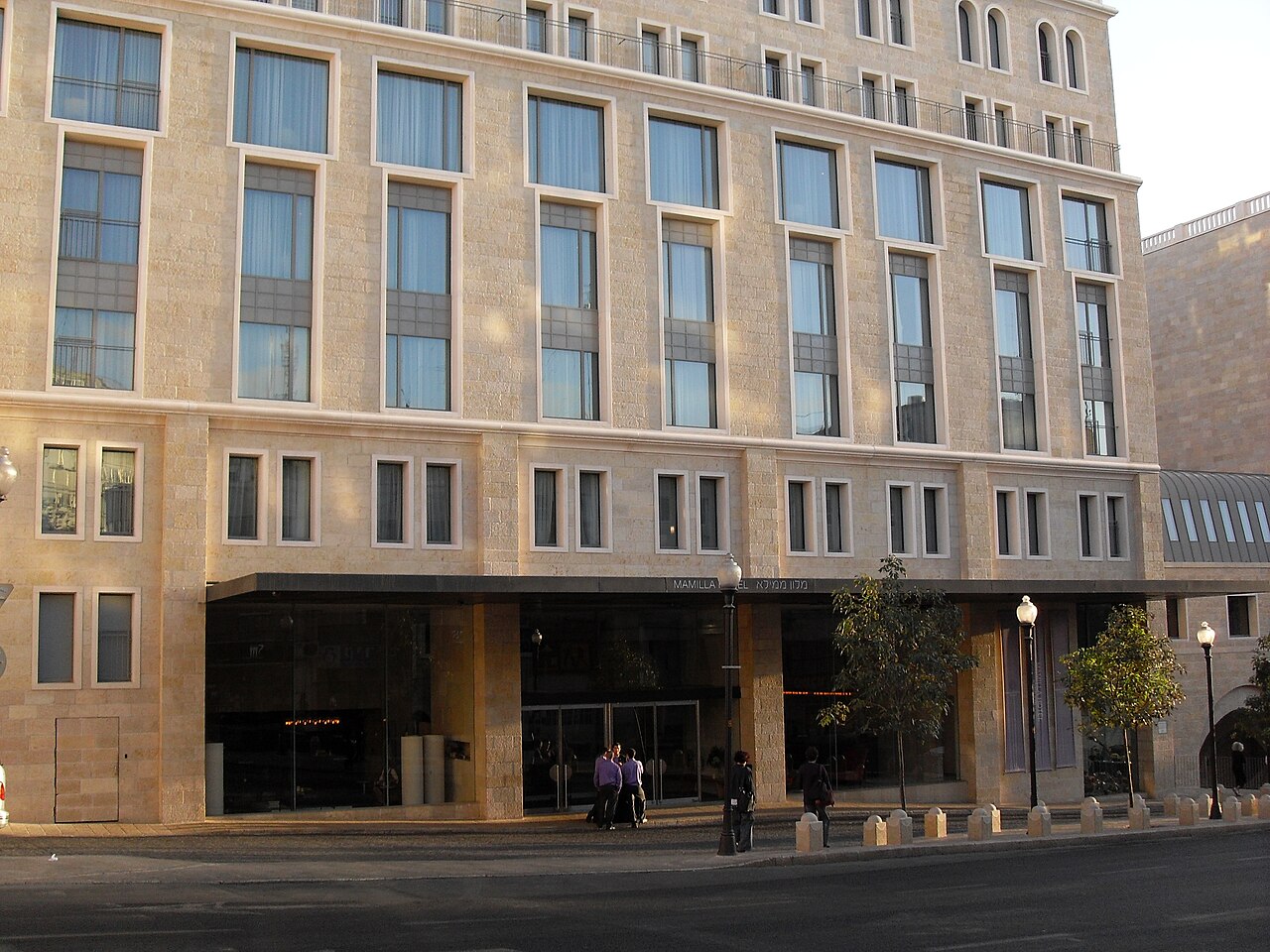
The center near Jaffa Gate and Mamilla is the easiest for a first visit, with the King David Jerusalem and the Mamilla Hotel at the top end. Harmony Hotel Jerusalem and the Mount Zion Boutique Hotel are good mid-range options, and Abraham Hostel Jerusalem is the budget pick near the market. See our guide to where to stay for more detail.
Money and timing
The local currency is the Israeli shekel, and cards are accepted almost everywhere, though a little cash helps at market stalls and for small taxi fares. Tipping at sit-down restaurants is customary, at around ten to fifteen percent. Spring and autumn are the most comfortable seasons for walking, summer is hot and dry by day with cooler evenings, and winter brings rain and a chill, so pack accordingly and see our guide to the best time to visit.
Extra ideas once the basics are done
If you have more time, the Jewish Quarter and the Cardo reward a slow wander, Mount Zion and the Church of All Nations at Gethsemane add quiet corners of the Christian story, and the City of David tour takes you underground to the oldest part of the city. A private tasting walk through Mahane Yehuda Market is a good way to learn local flavors, and a day in the Galilee gives a green contrast to the desert trip. Do not try to fit everything in, because the Old City in particular is more enjoyable at an unhurried pace.