The rhythm of Jerusalem follows the week in a way that surprises many visitors. Friday afternoon brings a rush of preparation, Friday sunset brings a hush, and Saturday is a day of rest across much of the city. Once you understand the pattern, it becomes one of the most memorable parts of a visit rather than an obstacle. This guide explains how evenings and the Sabbath work and how to plan around them.
How the Sabbath works
The Jewish Sabbath, Shabbat, begins at sunset on Friday and ends after dark on Saturday, so the exact times shift through the year. During this period many shops, restaurants and museums close or run reduced hours, and public transport is limited or stopped in much of the city. The same pattern applies, in a lighter way, on Jewish holidays. Muslim and Christian communities keep their own days, with Friday prayers and Sunday services affecting the Old City.
Friday: the busiest day for preparation
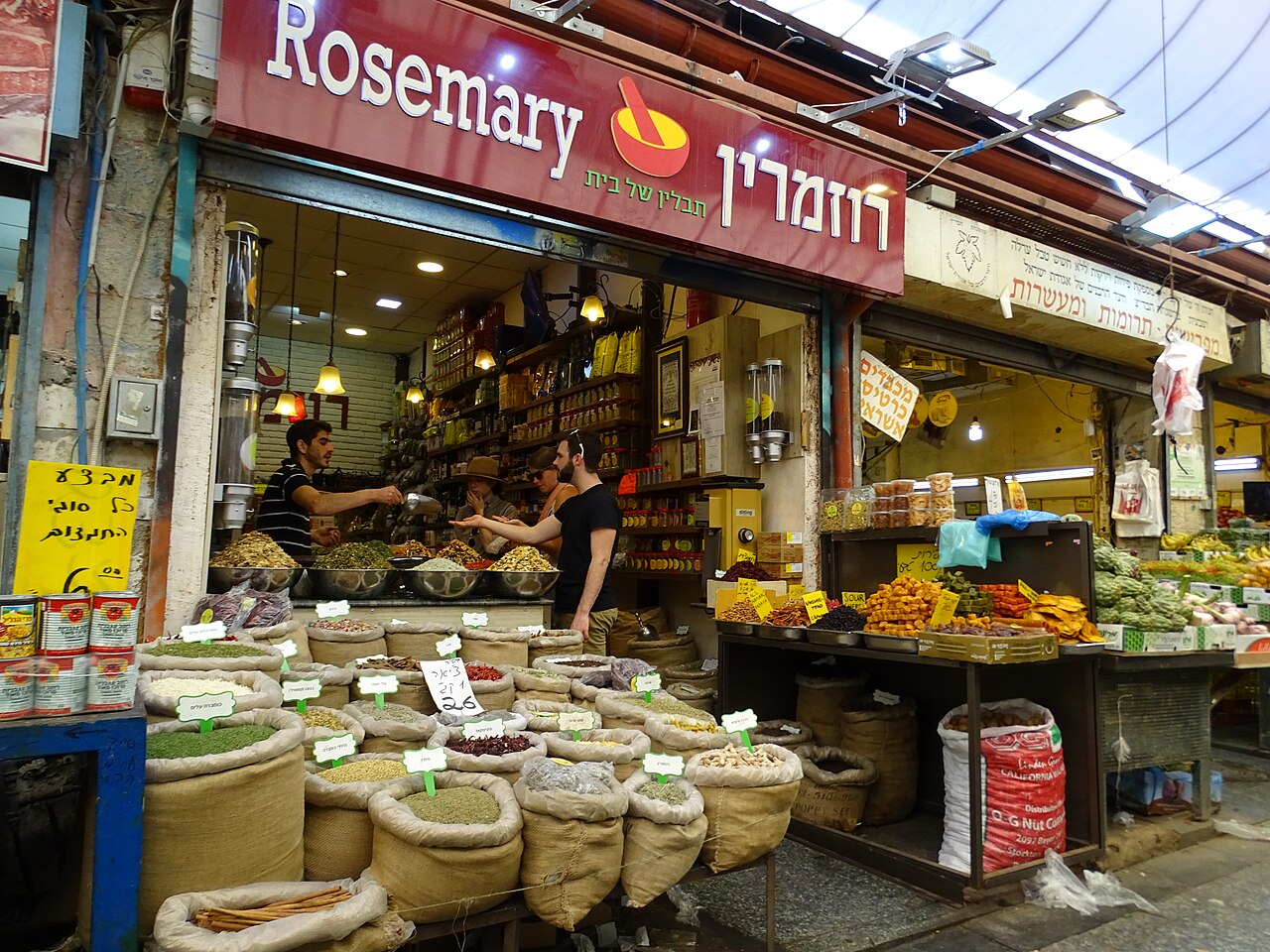
Friday morning is excellent for Mahane Yehuda Market, where stalls sell bread, sweets and flowers for the evening meal and the atmosphere is lively. Go early, because many stalls close by early afternoon. Sights and museums often close early, so complete the Old City or museum plans in the morning, and leave the afternoon for slow time. Buy snacks and drinks for the evening, since many places will be closed.
Friday evening: welcome the day
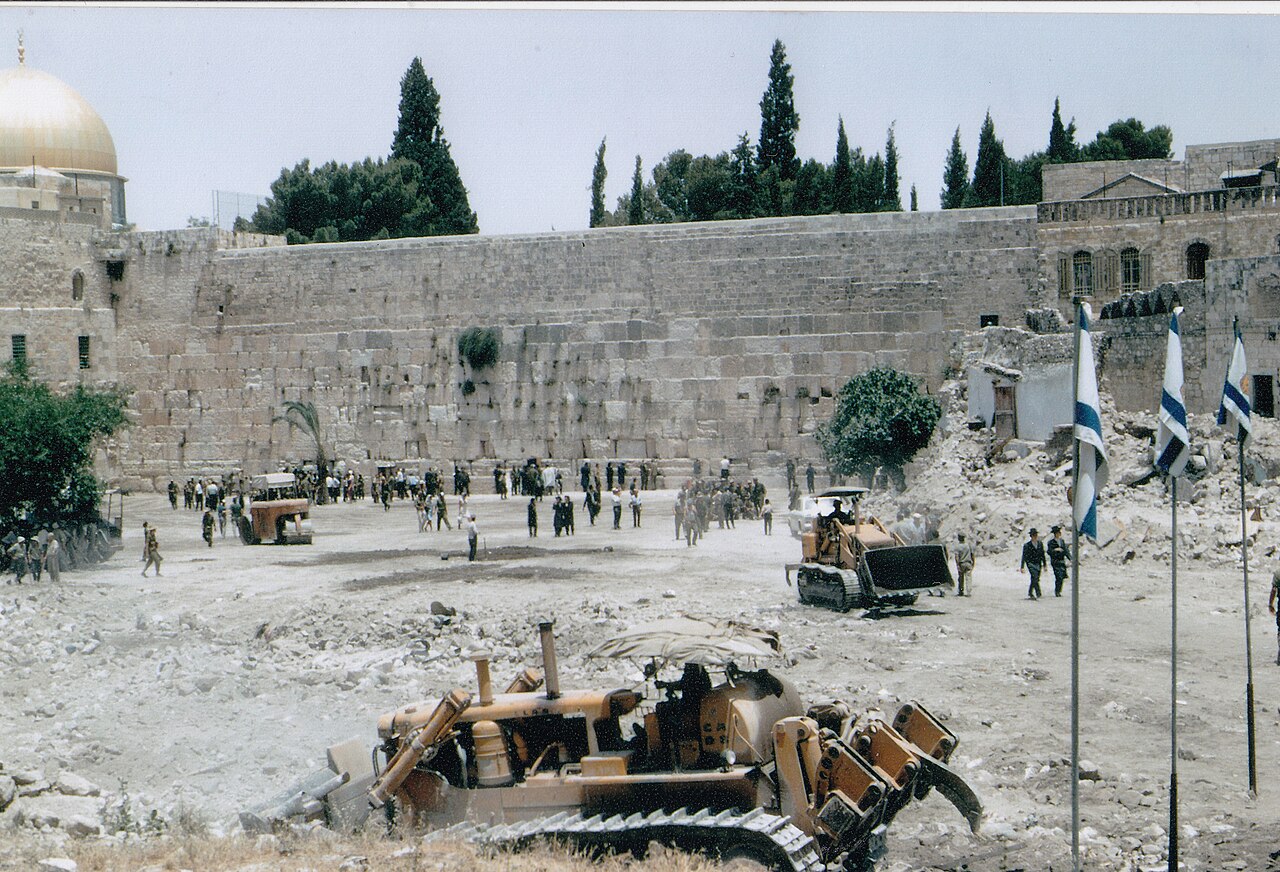
At sunset, the city turns quiet. Many travelers watch the Western Wall plaza fill with worshippers, singing and dancing as the Sabbath begins, which is one of the most moving sights in the city. Dress modestly, keep your voice low and avoid photography. If you prefer a gentler evening, take a sunset view from the Mount of Olives or join a guided Shabbat experience, where a host explains the songs and customs and invites you to a meal.
Saturday: a day to slow down
Many attractions in the Jewish areas are closed or limited, and the streets in religious neighborhoods are closed to cars. Public transport is minimal, so plan to walk or take a taxi. Good options include the Christian and Muslim quarters of the Old City, where many sights follow their own schedules, although some are closed on Fridays or Sundays. The Garden Tomb, the Church of the Holy Sepulchre and parts of the Via Dolorosa remain places to explore. A Dead Sea half-day is another way to use the day, though check which tours operate.
Saturday night: the city wakes up
After dark on Saturday, the city comes back to life. Restaurants and bars reopen, the light rail starts again, and the streets near Mahane Yehuda and Ben Yehuda fill with people. It is a lively time to go out, and the market area is especially busy. Book dinner if you have a favorite place, since good tables fill up.
Evenings in the Old City
Beyond the Sabbath, evenings are a beautiful time to walk the Old City. The stone glows at sunset, the crowds thin out and the lanes feel intimate. A guided evening walk is a relaxed way to see the quarters after the day-trippers leave, and it often ends with a glass of wine. Stay on well-lit main routes after dark, wear grippy shoes, and carry a light jacket in cooler months.
Dining after dark
Downtown and the Mahane Yehuda area have the largest concentration of bars and restaurants, with many open late except on the Sabbath. The Old City has fewer evening options, but a few restaurants and cafes stay open. Kosher rules affect many menus, so you may find that places serve either meat or dairy but not both, and some close for the Sabbath. Ask your hotel to suggest places that are open on the day you need them.
Getting around at night
The light rail is convenient on weekday evenings but stops for the Sabbath. Taxis and ride-hailing apps are available, although prices may rise late at night or on weekends. If you are staying in the Old City or near Jaffa Gate, walking is often the easiest option. Keep your valuables close, use well-lit routes and ask your hotel about the best way home.
Holidays and special dates
Jewish holidays, Christian feast days and Muslim observances can change opening hours, close roads and bring large crowds. Passover, Easter and Ramadan are among the busiest and most atmospheric times. Check the calendar before you book and allow more time for security lines and transport on these dates.
A simple weekend plan
Spend Friday morning at the market and one or two paid sights, then rest in the afternoon. Watch the Sabbath arrive at the Western Wall or join a guided Shabbat evening. On Saturday, wander the Christian and Muslim quarters, the Mount of Olives and the Garden Tomb, and enjoy a slow lunch. After dark, return to the downtown restaurants for a lively end to the weekend.
Final tips
Dress modestly in religious areas, keep phones and cameras away when asked, and respect local rules. A little planning means you will never be caught without somewhere to eat or a way to get home, and you will see Jerusalem at its most atmospheric.