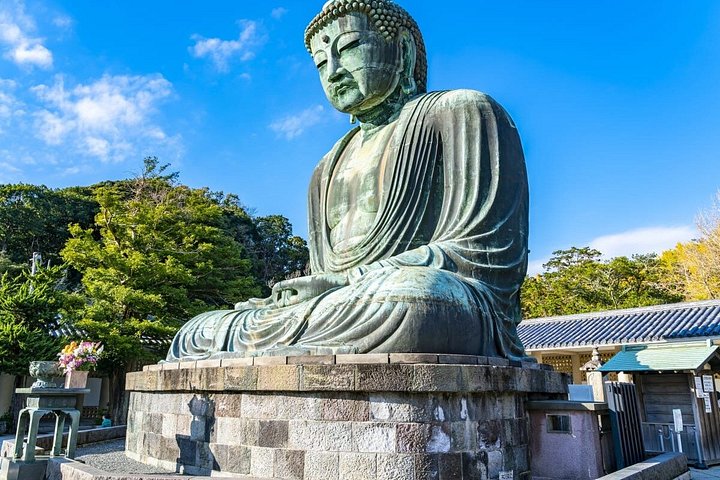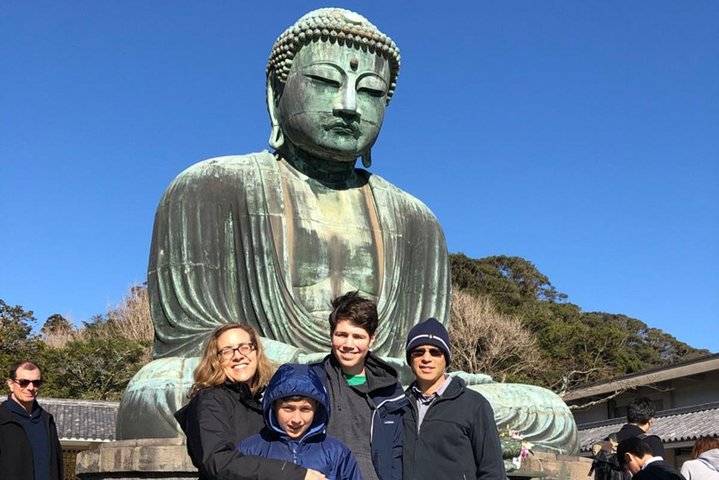
Kamakura is a seaside town about an hour south of Tokyo that served as Japan's military capital in the twelfth and thirteenth centuries. Today it is a compact mix of Zen temples, a giant bronze Buddha, hillside trails and a surf-town coast, all linked by a tiny train. Most visitors come on a day trip from Tokyo, but a night or two lets you see the quiet side. Here is how to plan a first visit.
What to book ahead
Very little in Kamakura needs advance booking, because temples sell tickets at the gate and the shrine grounds are free. The exceptions are guided walks, which are worth reserving if you want the Great Buddha explained or a licensed guide for the hiking trails, and the Enoshima Aquarium, where an advance ticket saves time at weekends. If you plan to stay overnight in autumn, cherry blossom season or on a holiday weekend, book your hotel early. Zazen sessions at the Zen temples have their own schedules, so check the temple websites before you travel.
Getting around
The town is spread along two main axes. The JR line links Kamakura and Kita-Kamakura stations with Tokyo, and the Enoden railway runs from Kamakura along the coast to Hase, Enoshima and Fujisawa. For the temples around Hase, walking from the station works, but the northern temples are best reached from Kita-Kamakura on JR. Buy the Enoden one-day pass if you plan three stops or more, and carry an IC card for everything else. Lockers at the main stations make it easy to travel light.
How many days
One day is enough for the headline sights, but it will be a rush. A good day-trip plan is Kita-Kamakura in the morning for Engaku-ji and Kencho-ji, Tsurugaoka Hachimangu at midday and the Enoden to Hase for the Great Buddha and Hase-dera in the afternoon. Two days lets you add Hokoku-ji and its bamboo garden, Zeniarai Benten and the hiking trails, and give Enoshima and its aquarium a full half day. Three days are only needed if you want slow mornings, beach time or Zen practice.
Where the headline sights fit
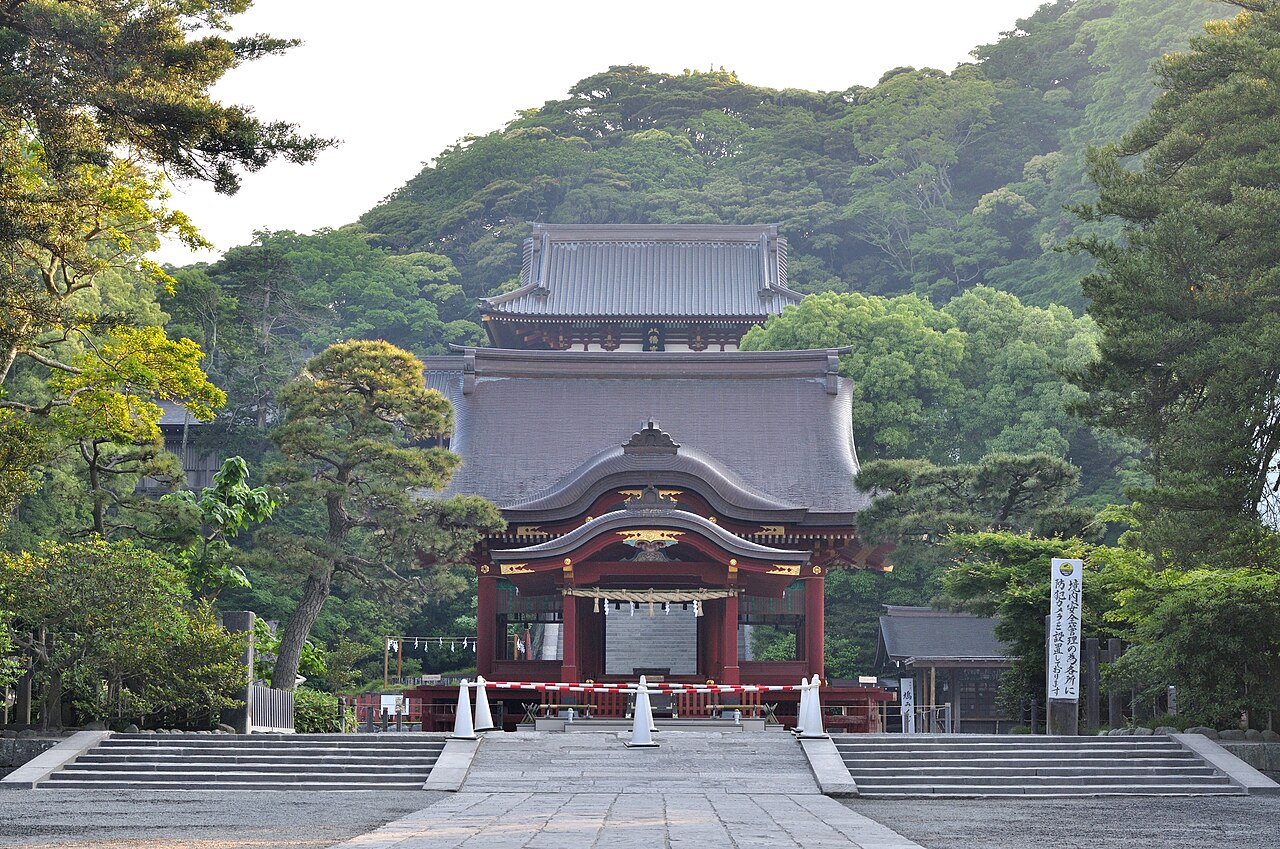
In the north, Engaku-ji and Kencho-ji are the Zen temples, a short walk apart. In the middle, Tsurugaoka Hachimangu and Komachi-dori anchor the old centre beside the station. In the east, Hokoku-ji sits in a quiet valley of bamboo. In the west, Zeniarai Benten hides in a ravine above the town, and a hiking trail runs from there over the ridge to the Great Buddha. Along the coast, Hase has the Buddha and Hase-dera, and Enoshima Island and the aquarium end the line.
The hiking trails
Kamakura is ringed by wooded hills with signed paths that link the temples, including the Daibutsu trail between Kita-Kamakura and Hase. They are free and quiet, and they give views across the bay. Wear shoes with grip, carry water and avoid them after heavy rain, when the paths can be muddy and closed. A guide can lead a route that links several sights.
Seasons and crowds
Weekends and holidays are crowded all year, and the Enoden crossing at Kamakurakokomae and the bamboo garden are the first places to feel it. June brings the hydrangeas, which draw crowds to Hase-dera and Meigetsu-in, autumn colours peak around late November, and summer is hot with busy beaches. Early mornings and weekdays are the best times, and November through March are quiet, with clear air for views of Mount Fuji.
Etiquette and small tips
Keep voices low at temples, take off shoes where signs ask and avoid photographing worshippers closely. Carry coins for entry fees and for offerings. The black kites on Enoshima will snatch food, so eat under cover. If you stay overnight, base yourself near the station for convenience or by the sea for atmosphere, and use the Enoden to reach the rest. Whichever you choose, start early, be flexible, and leave time for a long lunch of whitebait or soba.