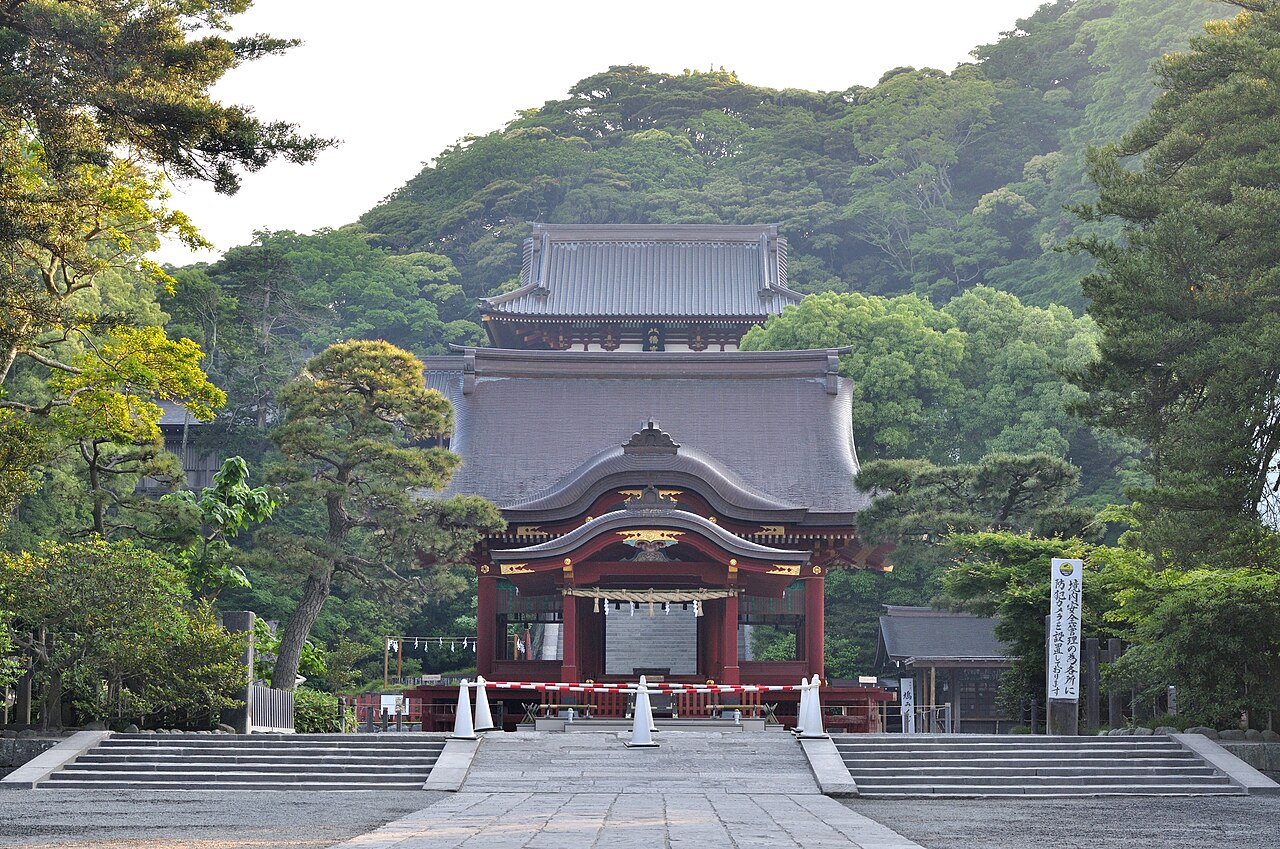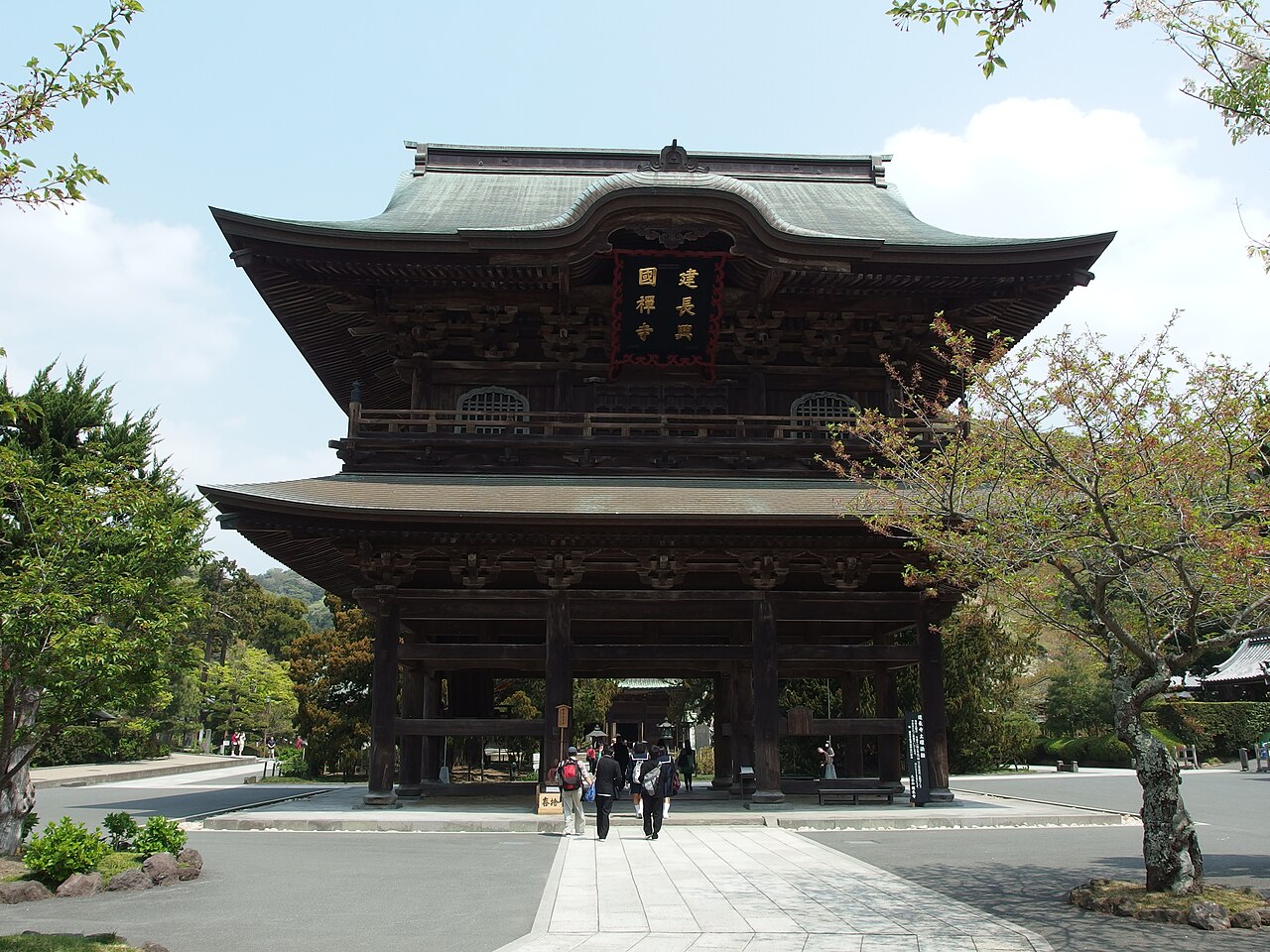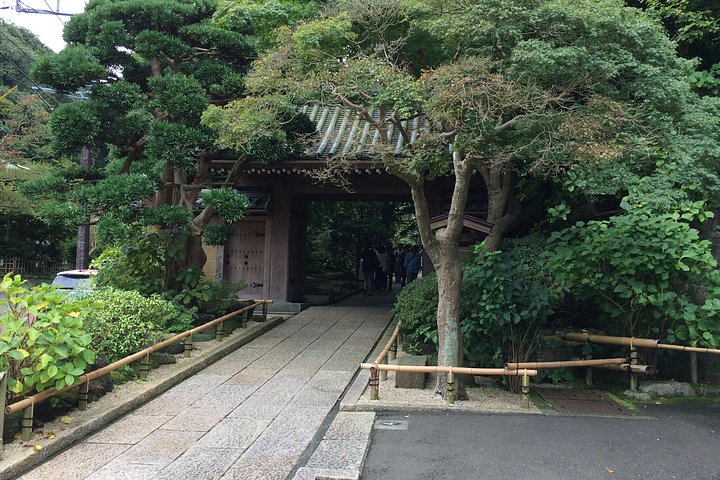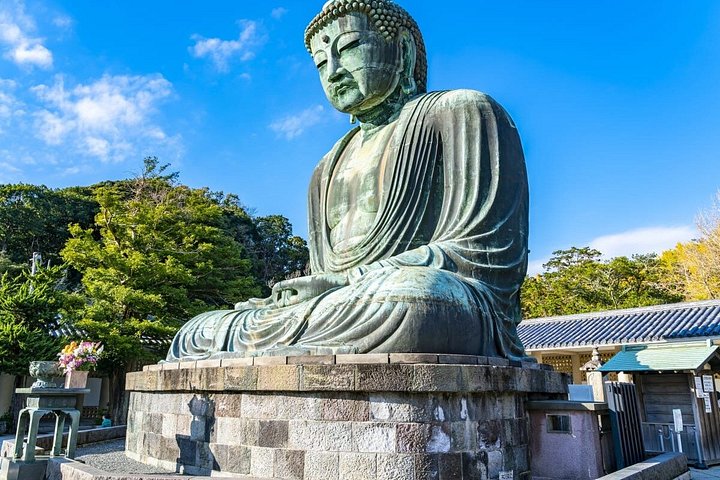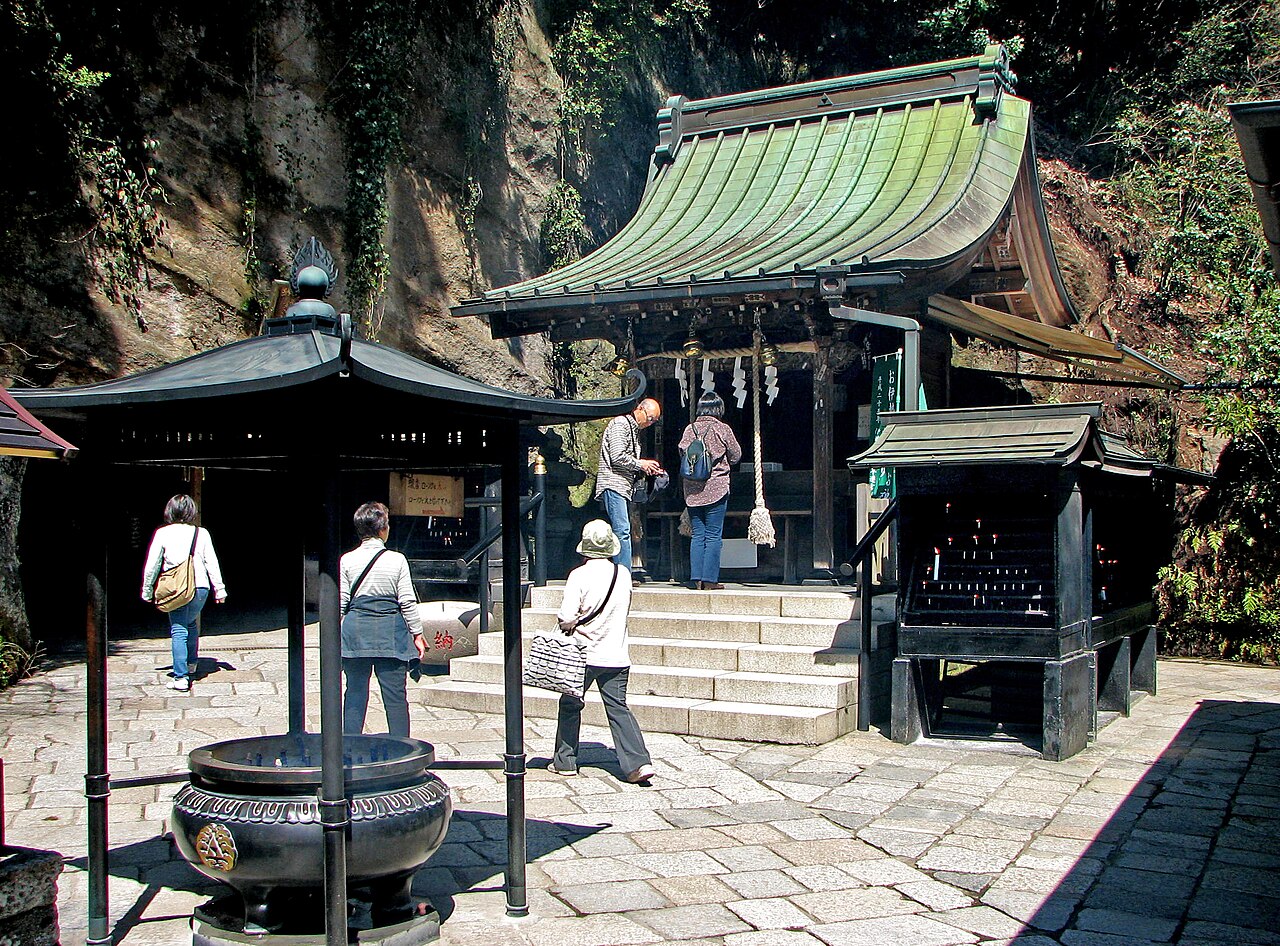
Engaku-ji is one of the great Zen monasteries of Kamakura and the easiest to reach, because it sits right beside Kita-Kamakura Station. It was founded in 1282 by Hojo Tokimune, the regent who faced the Mongol invasions, to honour the soldiers lost on both sides, and it remains a working monastery of the Rinzai school. Visitors cross a small bridge to the large Sanmon gate, wander up through pine and cedar to a hall holding a relic said to be of the Buddha, and reach a hillside bell cast in 1301 and counted among Japan's national treasures. A small teahouse serves matcha and sweets with a view over the valley. Entry costs a few hundred yen, and the grounds close fairly early, so plan a morning. Not every building is open to the public because many are monks' quarters, and visitors are asked to keep quiet.
Zen practice is the unusual draw. The temple offers visitors the chance to join sitting meditation, called zazen, at set times, and sermon meetings and sutra copying are also offered. The schedule changes by season and is sometimes paused, so check the temple's zazen page before you go and arrive on time. Ask whether English instruction is offered, since the practice is more about posture and silence than explanation.
Because the grounds are hilly, wear comfortable shoes. The main complex opens in the morning and the final departure time is a half hour after the gates close, with shorter days in winter. The temple stays open daily except in severe weather, though some facilities, such as the tea house, depend on conditions. Autumn colours in November are the most beautiful time of year, and the crowds follow, so arrive at opening.
Combine Engaku-ji with Kencho-ji and Tsurugaoka Hachimangu on a classic walking route that links the northern temples to the old capital. The trail from Kita-Kamakura Station to Kencho-ji follows a quiet road past smaller temples such as Meigetsu-in, and takes about twenty minutes at an easy pace. A guided tour can unlock context about the Mongol history and the Zen sects.
What to expect
The experience
A self-guided walk through a forested monastery with a gate, halls, a bell and a tea garden, plus optional Zen sessions.
Best time
Weekday mornings, and mid to late November for the maple colours.
How long
One to one and a half hours, longer if you join a zazen session.
Tips
Check the temple's zazen page for the current schedule and arrive early. Keep voices low.
Quick picks
- Best for
- Visitors who want a real working Zen monastery and a chance to try meditation.
- Families
- Quiet and hilly, so best for older children who can be still.
- Couples
- Share matcha in the tea garden above the valley.
- Pair with
- Kencho-ji, Meigetsu-in and Tsurugaoka Hachimangu.
- Time needed
- About an hour and a half.
Good questions
Can visitors try zazen at Engaku-ji?+
Yes, at set times, but the schedule varies and is sometimes paused. Check the temple's zazen page and arrive on time.
How much is entry?+
A few hundred yen for adults and less for children. Some facilities, such as the tea garden, charge separately.
What are the opening hours?+
Mornings through late afternoon, with an earlier close from December to February. Check the temple's website for the current times.
How do I get there?+
Ride JR to Kita-Kamakura Station. The temple entrance is a few steps from the platform.
Is Engaku-ji good in autumn?+
Yes, the maples are among the best in Kamakura in mid to late November, but it is busy at weekends.