Cambodia’s south coast has a tropical climate with a clear dry season and a wet season. Knowing the pattern helps you choose when to go and how to pack. The area is warm all year, so the question is mostly about rain, humidity and sea conditions.
Dry season: roughly November to February
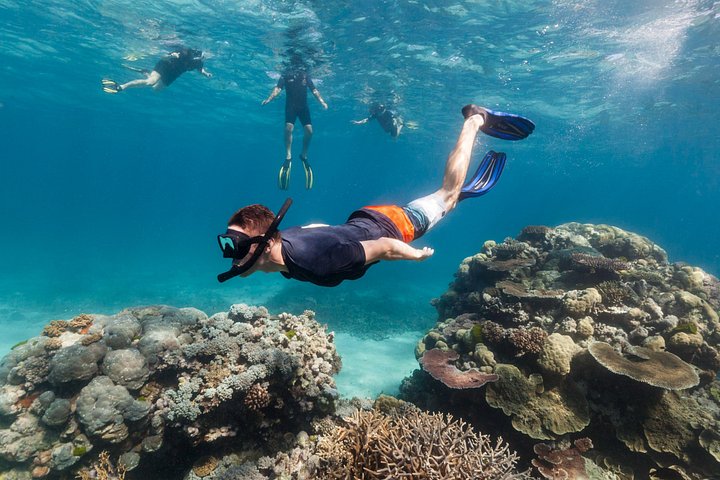
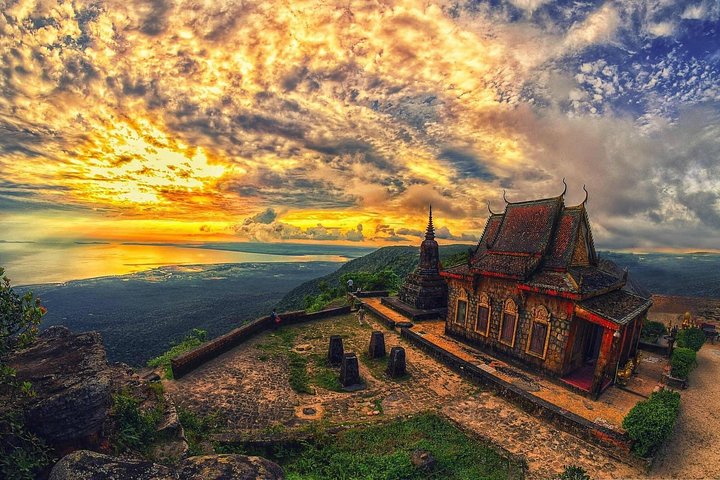
These months are the most comfortable. Days are sunny, humidity is lower, and evenings can feel pleasantly cool. This is the best time for Bokor views, island trips, diving and snorkeling, and the salt fields are active. It is also the busiest season, so book hotels, island bungalows and popular tours early. Roads are dry and dusty, so carry a scarf if you travel by open tuk-tuk.
Hot season: roughly March to May
Temperatures climb and the sun is intense, particularly in April, when many Cambodians celebrate their new year. Mornings and evenings are the best times for activities, and midday is for swimming, shade or a cold drink. Pepper harvest runs in the dry months and tends to peak in the early part of this period, so farm visits are still rewarding. Bokor is cooler than the coast, which makes it a good escape from the heat. Sea conditions are generally calm, and island visits are popular.
Wet season: roughly May to October
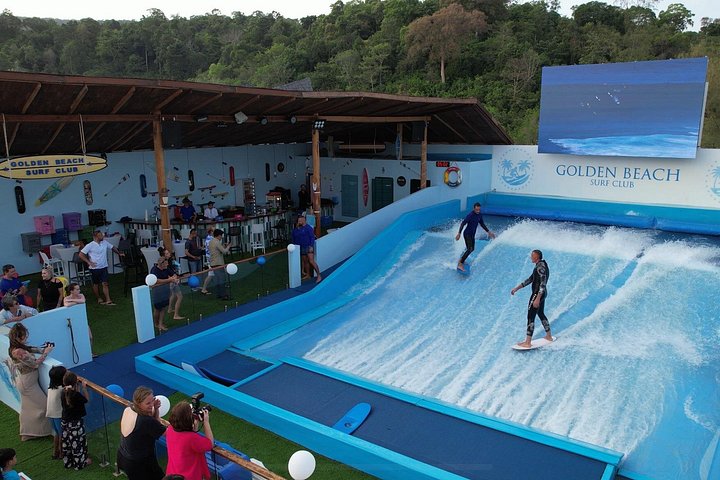
Rain arrives in heavy bursts, often in the afternoon, and the landscape turns lush. Waterfalls on Bokor are fuller, rice paddies are green, and prices are lower. Mornings are often clear, so schedule outdoor activities early. Roads can be muddy, and some boat services run less often or in rough conditions. Surf on Koh Rong tends to be better in these months, although it is still small. Diving visibility can drop. Pack a light rain jacket, quick-drying clothes and insect repellent.
Festivals and holidays
Khmer New Year in mid-April is a major holiday, and many people travel, so transport and hotels fill up. The Water Festival, usually in autumn, and the Pchum Ben holiday around the same period also bring crowds. Check the dates each year, because they follow the lunar calendar. Expect some businesses to close and transport to be busy around these times.
Fruit seasons
Durian season is generally in the middle of the year, and Kampot is known for its durians. Mangoes are best in the hot season, and rambutan and mangosteen follow. Ask locally what is in season, and try fruit at markets.
Best time by activity
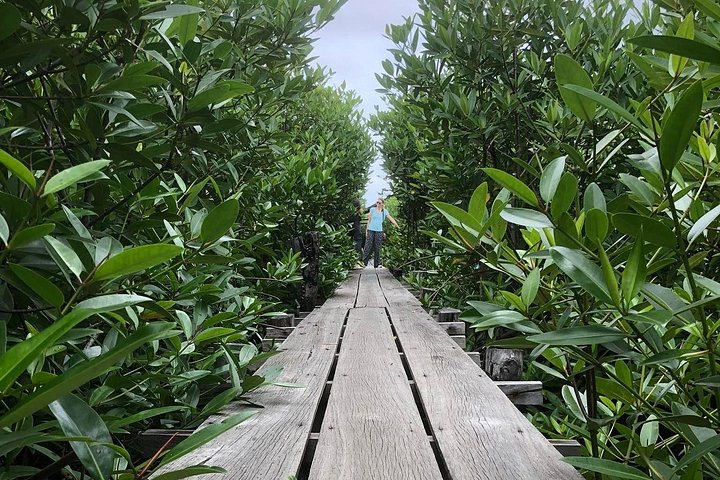
For Bokor views, choose a dry-season morning. For diving and snorkeling, aim for the dry months. For pepper farm visits, the dry season is best, with harvest months adding interest. For crab at Kep, any time is good, though catches vary. For kayaking and the Green Cathedral, the dry season is easiest, while the wet season is lush but can change river conditions. For caving and climbing, choose dry weather for safety.
What to pack
Light, breathable clothing, a hat, sunglasses and sunscreen are essential. Add a thin layer for Bokor and for air-conditioned buses, plus a rain jacket in the wet season. Bring insect repellent, a refillable bottle, a universal plug adapter and a dry bag for boats and kayaks. Closed shoes with grip are useful for caves and trails, and sandals work for beaches.
Our suggestion
If you can choose, go in the dry season, from roughly November to February, for the best balance of weather and activities. If you prefer fewer crowds and lower prices, shoulder months at either end of the wet season can work well, as long as you remain flexible. Whatever the month, start outdoor plans early, build in rest in the heat and keep a rainy-day option in your pocket.
Crowds and prices
Peak demand falls in the dry season and around holidays, when hotel prices rise and boats to the islands fill. The shoulder months at either end of the rainy season have good weather on many days and lower prices, but they carry some risk of storms. If you travel in the wet season, choose flexible bookings and keep an indoor option in mind, such as a cooking class or a cafe afternoon.
Sea and weather planning
Check the marine forecast before you book a boat trip, and listen to local operators, who know when conditions are unsuitable. A cancelled boat is annoying, but it is safer than a rough crossing. Build a spare day into any island plan so that you can adjust, especially if you have a flight to catch afterwards.