Three days is enough to see the best of Kampot and Kep without rushing. This plan assumes you base yourself in Kampot, with one day for the mountain, one for the countryside and coast, and one for slower activities. Swap days around to suit the weather, and use the dry season from roughly November to April for the clearest views.
Day one: Bokor Mountain and the river
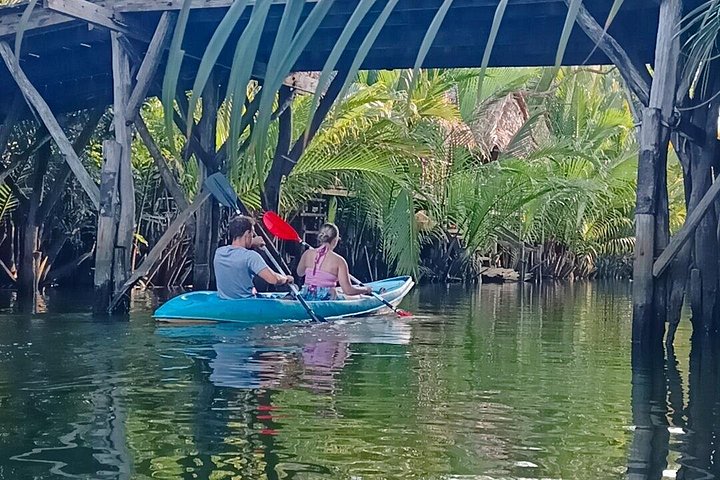
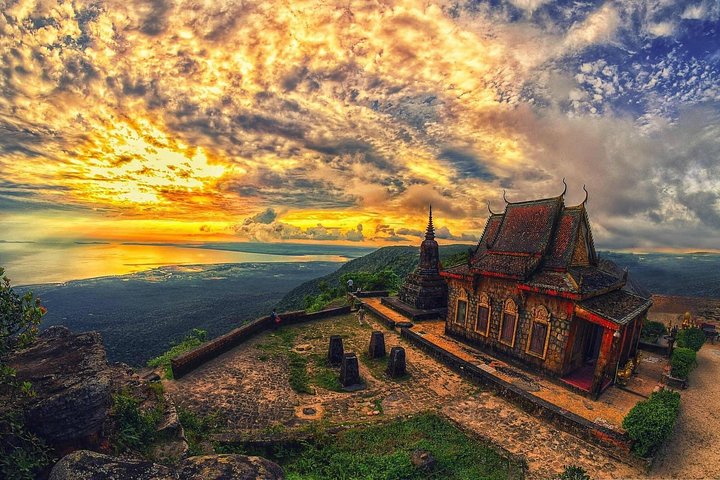
Start early with a guided trip to Bokor Mountain. The plateau is cooler and often misty, and the ruined French hill station, old church and hilltop pagoda give a strong sense of history. A waterfall stop is common on tours. If you prefer fewer people, choose a sunrise outing instead. Return to Kampot for a late lunch and rest, then head to the riverfront in the late afternoon. A sunset kayak around the Green Cathedral, or a simple walk along the promenade with a cold drink, is the best way to end the day.
Day two: pepper, salt and Kep
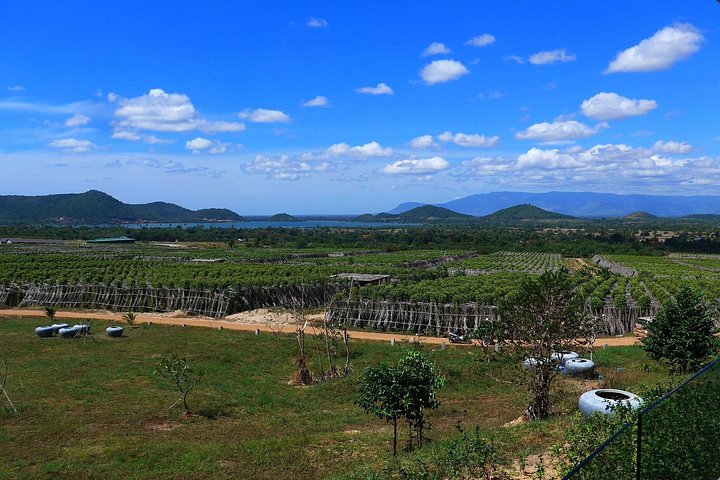
Begin with a pepper farm such as La Plantation, where a guide explains how green, black, red and white pepper are made. Continue through the countryside past salt fields and the secret lake, with a stop at the Phnom Chhngok cave temple if you have time. Drive on to Kep for a seafood lunch at the crab market, where pepper crab is the classic order. After lunch, walk part of the national park trail or stroll the seafront, then return to Kampot in the late afternoon. This is the most food-focused day, so arrive hungry.
Day three: slow Kampot
Spend the morning in town. Walk the old quarter, visit the market, and photograph the colonial buildings and the old bridge. In the late morning or afternoon, join a Khmer cooking class, where you learn to prepare local dishes and eat what you cook. If you want something more active, choose the caving and via ferrata tour instead, or combine a pepper farm with a river kayak. Finish with dinner at a riverside restaurant, and watch the lights on the water.
Logistics
Tuk-tuk drivers are easy to hire for a day, and many guesthouses and hotels can recommend one. Tours handle pickups, which saves planning. Day two involves the most driving, so pack water, sun protection and a small amount of cash for entry fees, snacks and tips. Wear shoes with grip for the cave and the national park trail, and dress modestly for temples.
If you have a fourth day
Add an island. From Kampot, you can travel to Sihanoukville in roughly two hours, then take a boat to Koh Rong Sanloem for diving, snorkeling or a paddleboard tour through the mangroves. Alternatively, stay another night in Kep for a quiet evening on the coast. If you love adventure, give day three to caving and climbing and move the cooking class to the evening.
If you have only two days
Combine days one and two: do Bokor in the early morning, return for lunch, then take a late-afternoon pepper farm visit and river sunset. On the second day, do a full-day Kampot and Kep tour that includes the pepper farm, salt fields and crab market. You will miss the slow day, but you will see the essentials.
Rainy-season adjustments
From roughly May to October, afternoons bring heavy showers. Do outdoor activities in the morning, keep a flexible afternoon for cafes, cooking classes and museums, and bring a light rain jacket. Bokor can be wet and foggy, but the waterfalls are fuller, and the countryside is green. Check the forecast the night before, and ask tour operators about their weather policies.
What to skip if time is tight
If you must choose, prioritise Bokor for atmosphere, a pepper farm for food and Kep for crab. The caving tour and cooking class are excellent but optional. The cruise-port excursion is useful for ship passengers, but independent travellers can do the same route more cheaply and slowly.
Evening ideas
Kampot evenings are easy: the riverfront fills at sunset, and many bars and restaurants have terraces over the water. After dinner, a stroll across the old bridge gives a view of the lights, and some guesthouses offer rooftop drinks. In Kep, evenings are quieter, so pick a seafront restaurant and enjoy the sea breeze. Avoid late-night rides on unlit rural roads, and arrange a tuk-tuk to return to your hotel.
Budget and pacing
The itinerary suits a modest budget, because the costs are mostly tours, tuk-tuk hire and meals. Share a tuk-tuk to cut the price, bring a refillable water bottle and eat at local restaurants for lunch. If you want to splurge, add a private sunrise trip on Bokor or a longer cooking class. Leave gaps in the plan for swimming, reading and wandering, because the south coast is at its best when you do not rush.