The islands off Sihanoukville are the beach side of Cambodia’s south coast. Koh Rong is the larger and busier of the pair, and Koh Rong Sanloem is the smaller, quieter one. Both are reached by boat from Sihanoukville, and both have white sand, clear water and simple bungalows. This guide covers how to get there, what to do and how to plan.
Getting there
Ferries and speedboats leave from piers in Sihanoukville, and the trip takes from under an hour to a couple of hours depending on the boat and destination. Schedules vary by season and weather, and rough seas can cause delays or cancellations, particularly in the wet season from roughly May to October. Buy tickets a day ahead in the dry season, arrive at the pier early and keep luggage in a dry bag. Ask your hotel about transfers to the pier.
Koh Rong Sanloem
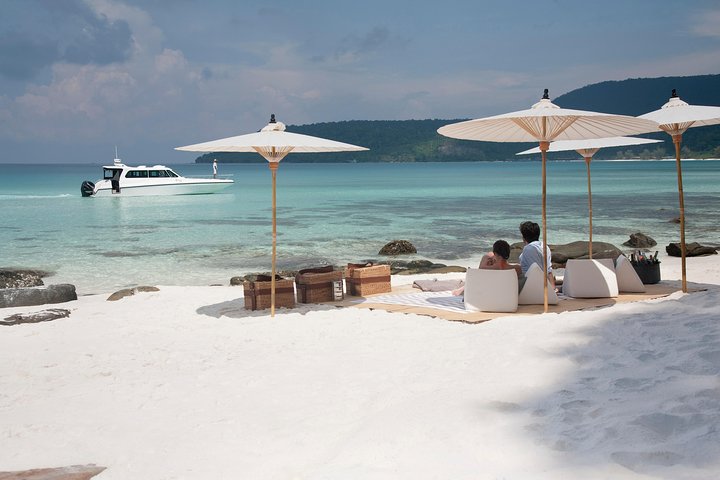
The island is known for Saracen Bay, a long curve of pale sand, and for quieter beaches reached by short walks. Accommodation is mostly small bungalows and low-key resorts. Activities include diving, snorkeling, paddleboarding and walking. In the evenings, there are seafood grills and relaxed bars, and some nights bring bioluminescent plankton to the water. Electricity can be limited, and card machines are rare, so bring cash.
Diving and snorkeling
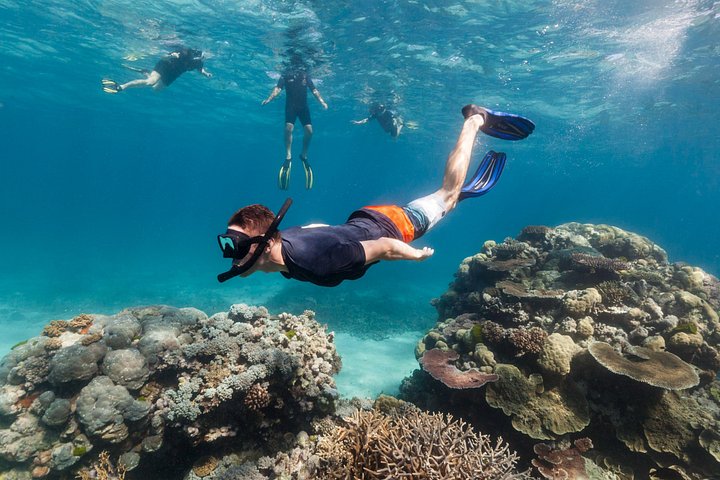
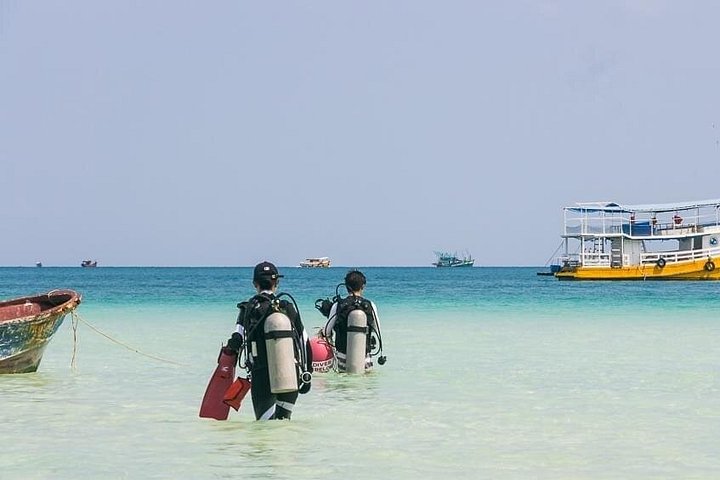
The Gulf of Thailand around the islands offers coral patches, small fish, rays and the occasional turtle. Visibility is generally better in the dry months, roughly November to May. A beginner scuba experience gives a supervised first dive, while a skin-diver snorkeling programme teaches breathing, mask clearing and fin technique. Both are suited to novices. Tell the instructor about medical conditions, avoid alcohol the night before and do not fly within a day of diving.
Paddleboarding in the mangroves
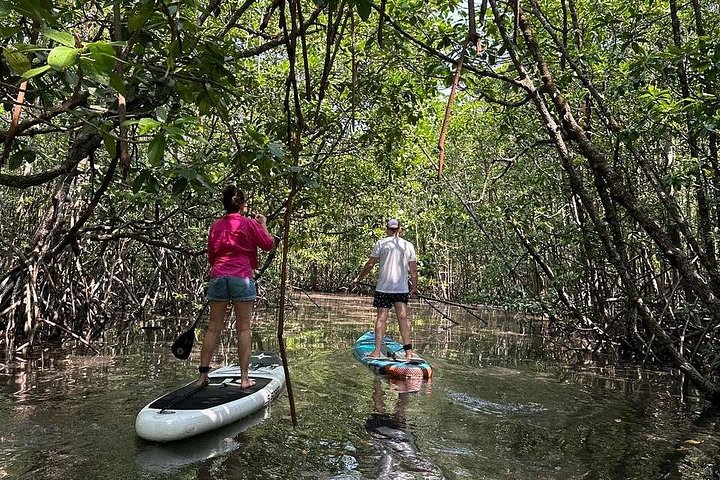
A guided stand-up paddleboard tour through mangrove channels on Koh Rong Sanloem offers a quiet alternative to beach time. The water is shallow and sheltered, and the guide explains how mangroves protect the coast and support marine life. It is gentle enough for beginners, and it works well as a morning activity before the wind picks up.
Surfing on Koh Rong
Surfing in Cambodia is small-scale, but the waves suit beginners. Lessons include boards and instruction on the sand and in the water. Conditions are usually better in the wetter months. If the surf is flat, many instructors adapt the lesson or reschedule.
Where to stay
Island stays are simple. Choose bungalows near the beach for convenience, or more secluded spots for quiet. Book ahead in the dry season, ask about electricity hours and water, and check whether meals are included. Because facilities are limited, pack essentials such as a torch, repellent, sunscreen, a power bank and a small first-aid kit.
Responsible visiting
The islands face pressure from development and waste. Carry out rubbish, use reef-safe sunscreen, avoid touching coral and do not buy shells or marine souvenirs. Respect local communities and stay on paths. Choose operators who brief you on safety and the environment.
Combining islands with the mainland
Many travellers split the coast into three parts: Kampot for culture and food, Kep for quiet and crab, and the islands for beaches and water sports. A good pattern is to spend several nights in Kampot, one in Kep, then move to Sihanoukville and the islands for two or three nights. If you only have time for one, choose Kampot for variety or the islands for beach time.
Sample island plan
Take a morning boat from Sihanoukville, check in, and spend the afternoon on the beach. On the second day, join a morning paddleboard tour or a dive course, then rest. Add a snorkeling trip or a short surf lesson on the third day, and take an evening boat back. If you only have one night, choose either diving or paddleboarding, and keep the rest of the time for the sand.
Safety on the water
Always wear a life jacket on boats and paddleboards if offered, and follow your guide’s advice about currents and weather. Swim where others swim, avoid going out alone at night and tell someone where you are going. Keep medicines and valuables dry. Carry a basic first-aid kit and remember that medical facilities on the islands are limited, so serious problems may require transfer to the mainland.