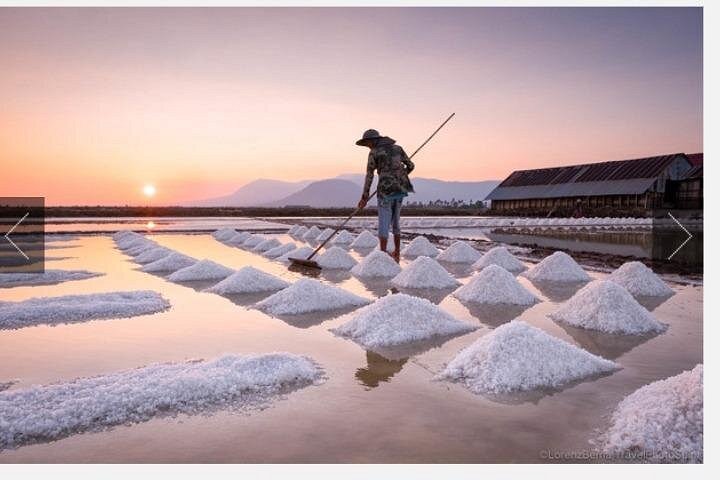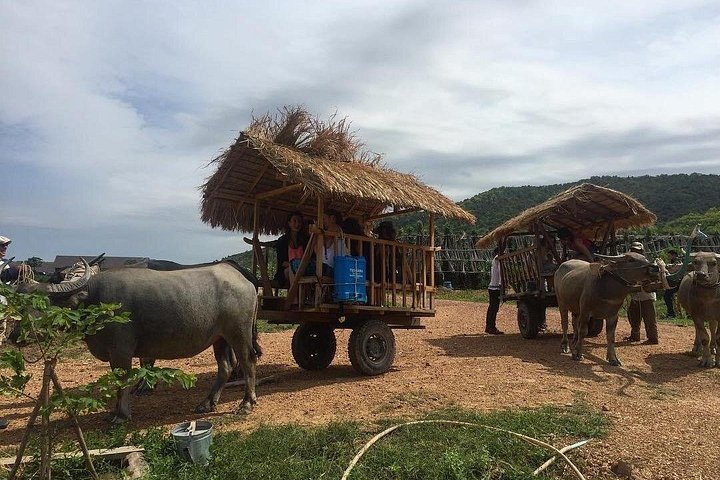
Food is a reason to come to Kampot and Kep. The area has two famous ingredients, Kampot pepper and Kep crab, and a handful of excellent local dishes that sit alongside a lively cafe and bar scene. This guide covers the essentials, with tips on where and how to eat.
Kampot pepper
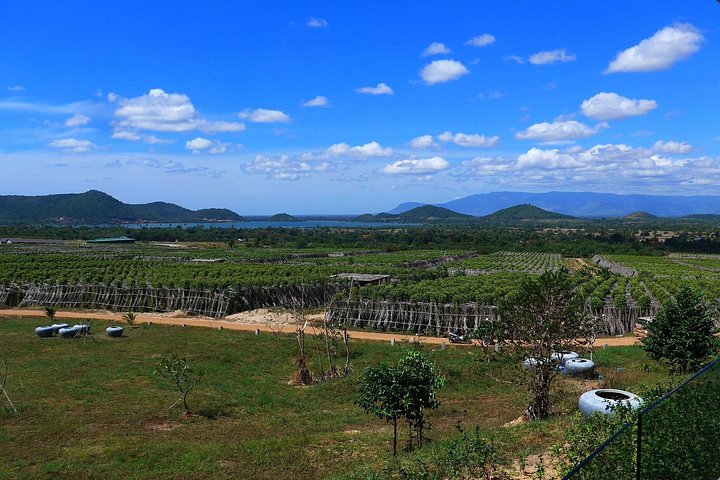
Kampot pepper is protected by geographical status in the European Union, and it has a floral, fruity heat that sets it apart. Fresh green pepper berries appear in stir-fries and sauces, while black, red and white pepper are used in different ways. A visit to a farm such as La Plantation explains the differences and lets you taste them. Many restaurants use pepper in sauces for beef, fish and crab, so you will encounter it even without a tour.
Kep crab
The crab market in Kep is the main stage for seafood. Fishers bring in blue crabs, often kept alive in baskets in the shallows, and the stalls cook them to order. The classic dish is crab stir-fried with fresh Kampot pepper. Prices are by weight, so ask before you order, and share a plate of rice and greens to balance the richness. Squid, prawns and fish are also available. If the market is too hectic, nearby restaurants offer similar menus with more comfort.
Khmer classics
Fish amok is a mild, coconut-based steamed curry, often served in a banana leaf. Lok lak is stir-fried beef with a lime and pepper dipping sauce. Khmer curry is gentler than Thai versions, with lemongrass and turmeric. Num banh chok, rice noodles with fish gravy and fresh herbs, is a breakfast staple. Grilled meats and soups appear on many tables. A cooking class in Kampot is the best way to learn how these dishes are built.
Markets and street food
The Kampot market is a good place to see produce, fish and snacks, and to try fruit such as mango, rambutan and, in season, durian. The durian roundabout in town is a landmark. Street stalls sell grilled skewers, sweets and iced drinks. Choose busy stalls with fresh food, and wash your hands before eating. Sugar-cane juice and fresh coconut are cheap and refreshing in the heat.
Cafes, bars and drinks
Kampot has a strong cafe culture, with places serving coffee, smoothies, pastries and international dishes. Riverside bars are popular at sunset, and many have simple menus and relaxed atmospheres. Cambodian beer is inexpensive, and local spirits and cocktails appear on menus. Drink bottled or filtered water, and avoid ice if you are unsure of its source, although many restaurants use commercial ice.
Vegetarian and special diets
Vegetarian travellers will find options at cafes and Western-style restaurants, but fish sauce and shrimp paste appear in many Khmer dishes, so ask. Cooking classes can adapt recipes if you mention dietary needs in advance. Travellers with shellfish allergies should be careful in Kep, where seafood dominates.
Money and etiquette
Meals are inexpensive by international standards, and US dollars and riel are both accepted. Tipping is appreciated but not required. Use your right hand for passing food, and share dishes when eating with others. Do not stick chopsticks upright in rice, and ask before taking photos of people at food stalls.
A simple food plan
Breakfast on noodles or a cafe pastry in Kampot. Lunch on crab in Kep. Afternoon coffee on the river. Dinner on fish amok or lok lak, with a sunset drink beforehand. Add a cooking class and a pepper farm, and you have covered the whole spectrum of local flavours.
What to try, in order
If you only have time for a handful of dishes, try pepper crab, fish amok, lok lak, num banh chok and fresh fruit from the market. Add a coconut and a glass of sugar-cane juice. For something sweeter, look for coconut sticky rice, banana fritters and iced coffee with condensed milk, which are common at stalls and cafes.
Food safety
Eat where the crowd is, choose food that is cooked fresh and hot, and wash your hands or use sanitiser. Be cautious with raw salads and unpeeled fruit if your stomach is sensitive. Carry rehydration salts and any medication you need. Most visitors eat well and happily, and a little care goes a long way.