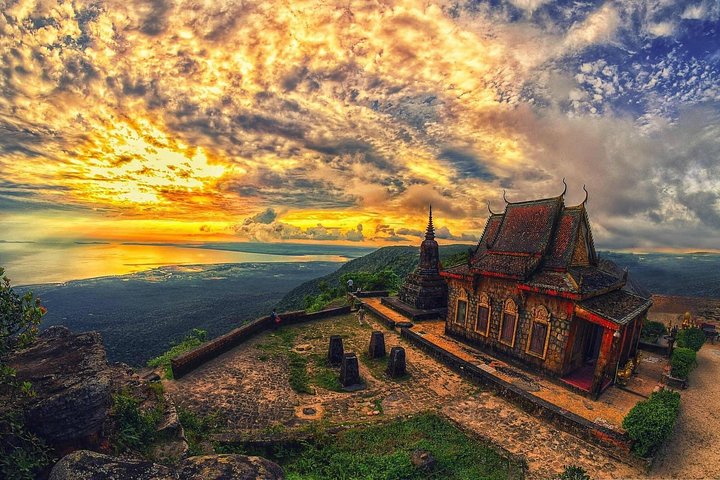
Cambodia’s south coast is a loose triangle of three very different places. Kampot is a riverside town of colonial shophouses, pepper farms and cafes. Kep is a quiet seaside village famous for crab and the ruins of mid-century villas. Sihanoukville is the country’s busy port and beach city, and the gateway to islands such as Koh Rong and Koh Rong Sanloem. Together they make a relaxed alternative to Angkor and Phnom Penh, with a focus on food, scenery and slow days rather than monuments.
How the three places fit together
Sihanoukville to Kampot is roughly two hours by road, and Kampot to Kep is about half an hour. Phnom Penh to Kampot takes a few hours by minibus or private car, depending on traffic. Most travellers either base themselves in Kampot and visit Kep and Bokor as day trips, or move along the coast from Phnom Penh to Kampot to Kep and on to Sihanoukville for the islands. A Vietnamese border crossing near Kep makes the route a natural link to the Mekong region, though checking visa and crossing rules before you travel is essential.
What Kampot is best for
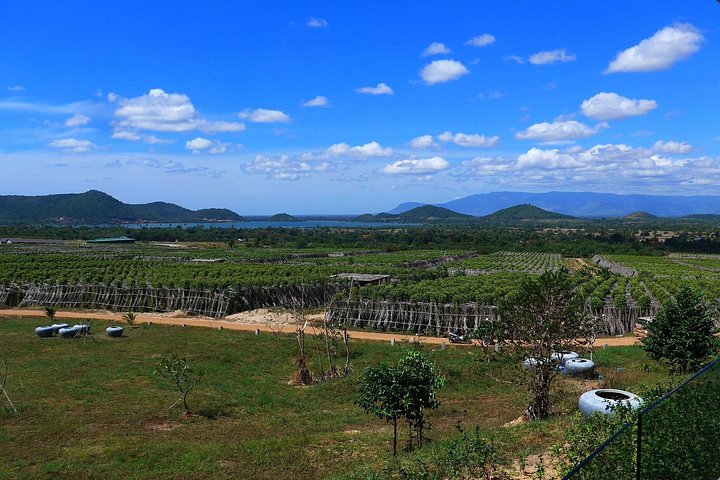
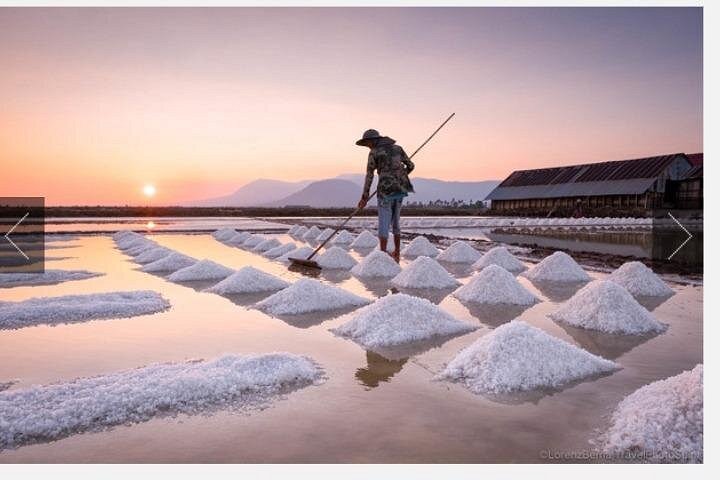
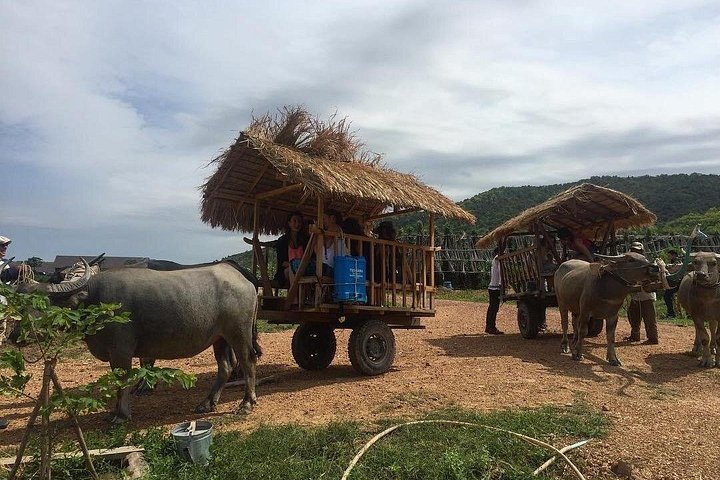
Kampot is the cultural and culinary heart of the area. The town has a pleasant riverside promenade, a lively market and an old quarter of faded colonial buildings. Nearby, the pepper farms explain why Kampot pepper is protected by geographical status in the European Union, and the salt fields show a different side of the local economy. Bokor Mountain rises behind the town, with a ruined French hill station and a cool, misty plateau. Kayaking, caving and cooking classes round out the options.
What Kep is best for
Kep is smaller, slower and more seaside. The crab market is the headline, and a pepper crab lunch is a rite of passage. Kep National Park has a forest loop trail with views over the sea, and the old villas along the roads give the town a faded charm. Many visitors come for a day, but staying overnight gives you the quiet evenings that day-trippers miss.
What Sihanoukville is best for
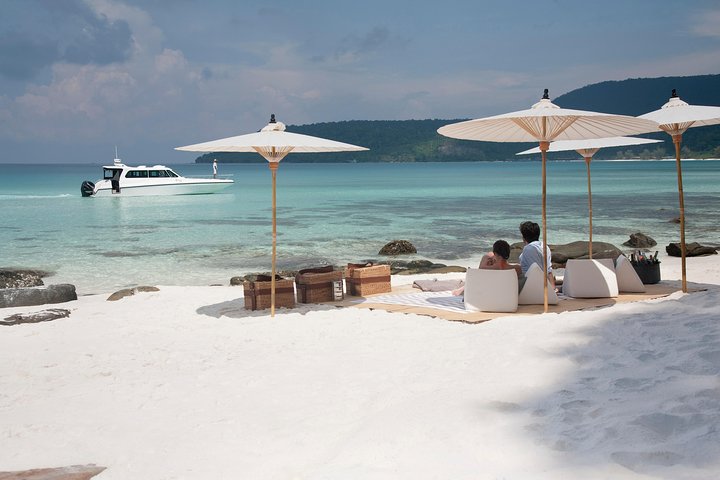
Sihanoukville is a transport hub and a beach town in transition. It has beaches such as Ochheuteal, Independence and Otres, a cruise port and a dense city centre. The reason to come is the islands: boats run to Koh Rong and Koh Rong Sanloem, where diving, snorkeling, paddleboarding and surfing lessons are on offer. For many visitors, Sihanoukville is a place to pass through, with a night or two before or after the islands.
Getting around
Tuk-tuks are the standard way to move around towns, and a driver can often be hired for the day at a fair rate. Motorbike and scooter hire is common, but roads can be hazardous, and you should hold a valid licence, wear a helmet and check your insurance. Minibuses and taxis link the towns, and tours usually include hotel pickup. Boats to the islands depart from Sihanoukville piers, and schedules vary by season and weather, so confirm them a day ahead.
Money and practicalities
Cambodia uses the riel, but US dollars are widely used in tourist areas, and change often comes back in riel. Carry small bills for tuk-tuks, markets and tips. ATMs are available in the towns, but islands have few or none, so withdraw cash before you go. Tap water is not safe to drink, so use bottled or filtered water. Wear modest clothing at temples, covering shoulders and knees, and remove shoes where indicated.
What to book ahead
Island accommodation in the dry season, popular tours such as Bokor and the pepper farms, and cruise-port excursions are worth reserving early. Many experiences, from the Kampot cooking class to the Green Cathedral sunset kayak, have limited places. On the other hand, you can usually arrange tuk-tuk drivers, markets and meals on the day.
A sensible first itinerary
Spend three or four nights in Kampot with day trips to Bokor, a countryside tour and Kep, then add two nights on an island via Sihanoukville. If you have less time, base yourself in Kampot and add a full-day tour that includes Kep. If you are arriving by cruise ship, a shore excursion to Kampot and Kep gives a taste of the area, though an overnight stay is more relaxing.
Health and safety
The sun is strong, so wear a hat and sunscreen, and drink plenty of water. Mosquitoes are common in the evenings and the wet season, so carry repellent. Be careful on motorbikes, in the sea and on wet rock, and follow the advice of local guides. Keep valuables close in crowded places, and check current travel advisories from your government before you leave.
A note on respect
Cambodia has a complex modern history, and travellers are welcome when they behave with courtesy. Ask before photographing people, dress modestly at religious sites and keep your voice down in temples. Avoid pointing your feet at statues or people, and do not touch monks if you are a woman. Learning a few Khmer words, such as hello and thank you, will earn smiles.