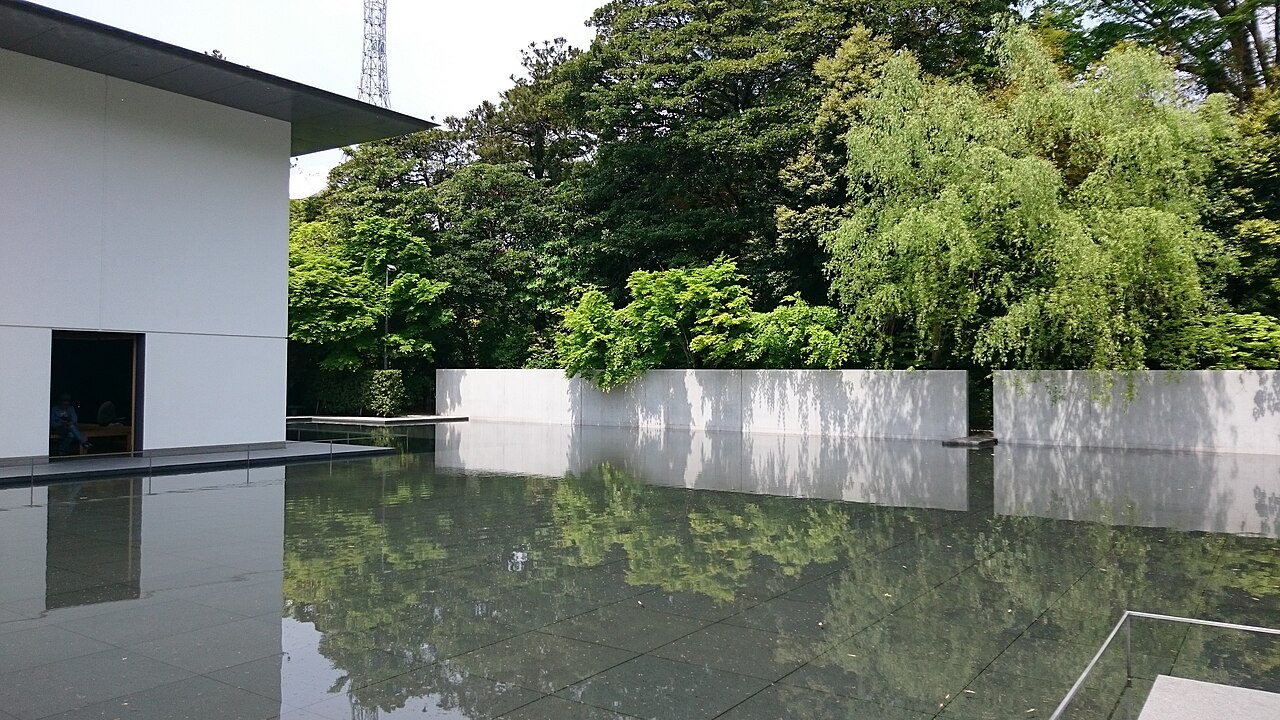
The D.T. Suzuki Museum is a small museum with a large reputation for atmosphere. It honours Daisetz Teitaro Suzuki, the Kanazawa-born Buddhist philosopher and writer whose books helped introduce Zen to the English-speaking world, and it was designed by Yoshio Taniguchi, the architect of the new wing of New York's Museum of Modern Art. The building is a sequence of clean lines, plain walls and open spaces arranged around three landscaped gardens, the best known of which is a glassy shallow pond, often called the water mirror garden, which reflects the sky and the walls and invites quiet contemplation. Inside, exhibitions of Suzuki's writings, calligraphy and photographs are displayed with great restraint, and a contemplation space looks out over the water. It is not a museum for hurried visitors. Most come to sit, look and unwind, and many leave with the feeling of having visited a garden rather than a gallery.
Why it matters
Suzuki's life and ideas are explained through his writings, but the building itself is the main exhibit, and it translates a Zen idea of emptiness into stone, water and light. The design plays with reflection, so the experience changes with weather and time of day: on a bright morning the pond looks like polished glass, in rain it becomes a field of ripples, and in winter, snow turns the courtyard white on white. Photography is allowed in some areas and restricted in others, so follow the signs.
Practical information
The museum opens in the morning and closes late afternoon, with last admission about half an hour before closing. It is closed on Mondays and around New Year. Admission is a few hundred yen, children under eighteen are free, and seniors pay a reduced price. The museum is small, so an hour is plenty, and it is quiet enough that visitors speak in whispers. The address is in the Hondamachi area, a short bus ride or a pleasant walk from the Kenroku-en and 21st Century Museum area.
How it fits a day
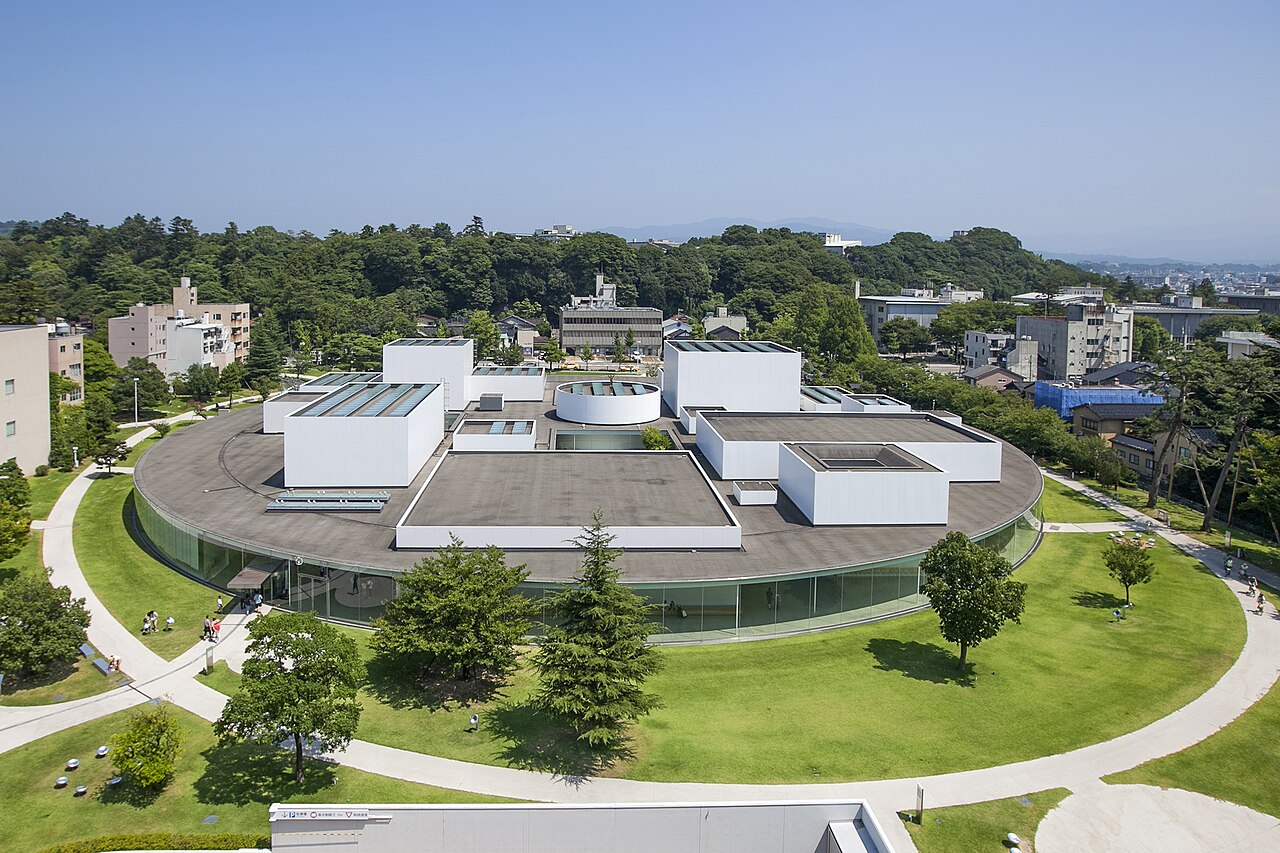
Pair it with the 21st Century Museum for a morning of contrasts, the first loud and playful and the second still, or with Nagamachi and the nearby temples. It also makes a calm choice for a rainy afternoon, when the garden is at its most atmospheric. Architecture lovers will want to allow time to study the angles of the walls and the way the building opens toward the water, and anyone interested in Zen can sit in the contemplation space and simply look.
What to expect
The experience
A small, quiet museum of white walls, three gardens and a contemplation space overlooking a shallow reflecting pond, with exhibits on Suzuki's life and writing.
Best time
Morning on a calm day when the pond is still, or on a rainy day for ripples and atmosphere.
How long
Forty-five minutes to an hour, longer if you sit in the contemplation space.
Tips
Remember it is closed on Mondays, speak softly, follow photography signs and allow time just to sit.
Quick picks
- Best for
- Architecture fans, Zen-curious travellers and anyone wanting a calm hour.
- Families
- Best for older children who can be quiet; younger ones may find it too still.
- Couples
- A peaceful, restful pause between busier sights.
- Pair with
- The 21st Century Museum, Kenroku-en and Nomura House.
- Time needed
- One hour is plenty.
Good questions
Who was D.T. Suzuki?+
Daisetz Teitaro Suzuki was a Kanazawa-born Buddhist scholar and writer who helped introduce Zen to the West. The museum honours his life and ideas.
Why is the building famous?+
It was designed by Yoshio Taniguchi and is admired for its simple lines and its water mirror garden. The architecture is a large part of the experience.
When is it closed?+
The museum is closed on Mondays and around New Year, and it opens in the morning and closes in the late afternoon.
Is it expensive?+
Admission costs a few hundred yen, children under eighteen enter free and seniors pay less.
How long should I stay?+
Most visitors spend about an hour, though people often stay longer to sit by the pond. It pairs well with other nearby museums.