Budhanilkantha lies at the northern edge of the valley, at the foot of Shivapuri hill, about ten kilometers from central Kathmandu. Its famous image is a carved black stone figure of Vishnu lying on the coils of the serpent Sesha, resting in a sunken pool. The statue is several meters long, and the face, crown and four hands holding a conch, a discus, a club and a lotus are all carved with calm, grave detail. Pilgrims come in a steady stream to leave flowers, marigold garlands and rice. The setting is quieter than many city shrines. A walled compound surrounds the pool, with a small courtyard, trees and a few shops selling offerings. Hindu devotees may approach the water and make offerings, while other visitors watch from the viewing area at the edge of the pool, which still gives a clear and close view of the carving. On festival days, especially around the autumn awakening of Vishnu, the compound fills with worshippers and the atmosphere changes completely.
The statue has a long story. Local tradition says it was carved in the Licchavi period and later buried, then rediscovered by a farmer who struck the stone while plowing. The carving is a single piece of dark stone, and the reclining pose with the serpent hood above the head is an image of rest between cycles of creation. A well-known folk belief holds that Nepal's kings did not visit because of a legend of death, and while that tradition is repeated often, it is best treated as a local story rather than a fact.
A visit takes an hour or less, so the temple fits neatly into a half-day. Many visitors combine it with a hike on Shivapuri, a forest trail with views and birds that starts a short ride away, and others stop here on the way to the northern edge of the valley. Go in the morning, when light on the water is best and the compound is quiet, and expect more people on Saturday, the main weekly day of worship in Nepal, and on festival days.
Practical details are simple. Wear modest clothing, take your shoes off where signs ask and leave leather items outside if requested. Bring small notes for offerings and the entry fee for foreign visitors. Photography is usually allowed from the viewing area, but ask before photographing worshippers. If you want context, a guide can explain the iconography and the festivals, and hiring one for a half day that includes Budhanilkantha, a few villages and the forest edge is good value.
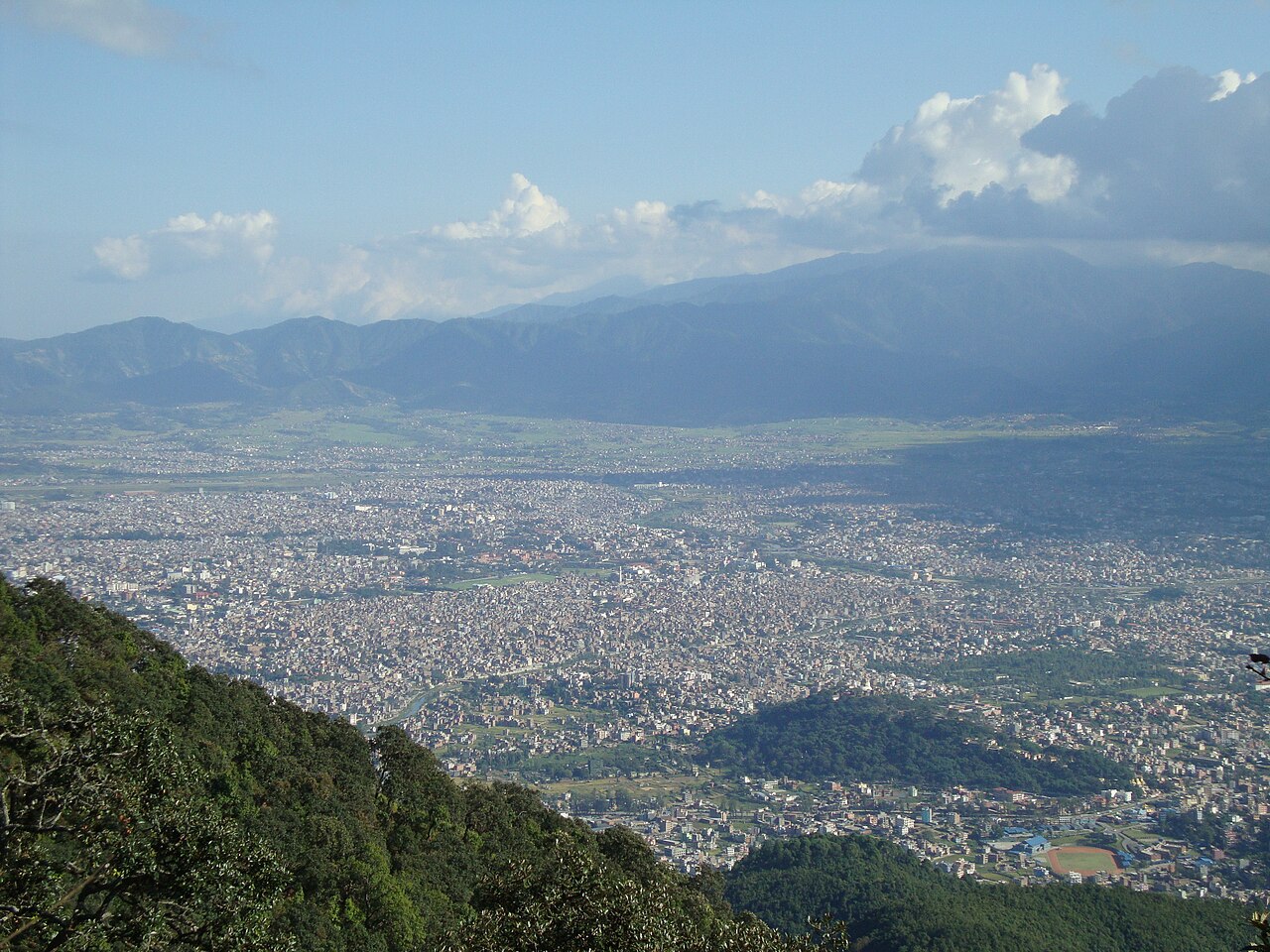
Allow a few quiet minutes simply to watch worshippers arrive with garlands and incense, since the rhythm of offerings and bells says as much about the place as the statue does. If the weather is clear, the surroundings add to the visit. The compound sits where the valley floor meets the forested slope of Shivapuri, with farms and suburbs spreading below and the green hill rising above, and the air is often noticeably cooler than in the city center.
A cup of tea at a roadside stall after the visit is a pleasant ritual. For travelers who want more depth, ask a guide about the Vishnu stories, the meaning of the four held objects and the festivals that bring crowds each year.
What to expect
The experience
A short visit to the temple compound and pool, usually as a half-day trip from the city, sometimes combined with Shivapuri.
Best time
Morning for quiet light on the water; Saturdays and festival days are busiest.
How long
Allow an hour at the temple and a half day with the road and an extra stop.
Tips
Dress modestly, remove shoes where asked, carry small notes for offerings and respect the rule that the inner pool area is for Hindu worshippers.
Quick picks
- Best for
- Travelers drawn to dramatic religious art and quieter shrines north of the city.
- Families
- Children are often struck by the giant figure and the flower offerings; the compound is small and easy to manage.
- Couples
- Pair it with a gentle forest walk on Shivapuri and a long lunch in the northern suburbs.
- Pair with
- Shivapuri for a forest hike, or Pashupatinath for a contrast in Hindu worship.
- Time needed
- One to two hours at the temple; a half day with Shivapuri or other stops.
Good questions
What is special about Budhanilkantha?+
It has a huge carved stone figure of Vishnu reclining on a coiled serpent in a pool, one of the most striking religious images in the valley.
Can non-Hindus enter the temple?+
Visitors can see the statue from the viewing area at the edge of the pool, but access to the water and the figure is limited to Hindu worshippers.
How far is it from Thamel?+
It is about ten kilometers north, usually thirty to fifty minutes by taxi depending on traffic.
When is the best time to visit?+
Mornings are quietest. Saturdays and festival days draw large crowds of worshippers.
Can I combine it with a hike?+
Yes. Shivapuri hill rises just behind, and many visitors pair the temple with a forest walk or a guided half-day tour.