Chitwan National Park lies in the lowland Terai about five or six hours by road from Kathmandu, and it is the country's best-known wildlife destination. The park protects riverine forest, tall grassland and swamp, and it is home to Asian one-horned rhinoceroses, wild elephants, gharial and mugger crocodiles, deer, wild boar, hundreds of bird species and a small number of elusive Bengal tigers. It is a UNESCO World Heritage site and one of the few places in Asia where rhinos can be seen in good numbers in the wild. Most visitors base themselves in Sauraha, a village on the park edge, where lodges offer a mix of activities: jeep safaris through the forest and grassland, canoe trips on the Rapti River, guided walks with trained naturalists and visits to local Tharu villages. A typical short program from Kathmandu runs for one night and two days, which means a long day of travel at either end and one full day of activities. Many travelers find that a second night makes the trip more relaxed.
A jeep safari covers the most ground, and the open grassland and sal forest give the best chance of seeing rhinos, deer and birds in a morning. A canoe trip is quieter and offers close views of crocodiles on the banks, kingfishers and other river birds, with a short forest walk afterward if conditions allow. Guided walks are the most immersive, but you must follow your guide closely and keep voices low. Tigers are rarely seen, so go for the rhinos and the birds and treat a tiger as a happy surprise.
Local culture is part of the program. Tharu communities around Sauraha have a distinct language, stick dance and mud-walled house tradition, and a cultural show or village walk is often included in lodge packages. Conservation is a theme too: the park runs breeding and rehabilitation programs for gharial and other species, and visits may include a stop at a related center. Ask your operator how they treat wildlife, and choose a program that follows park rules on distance and noise.
The best months for wildlife are the cooler, drier season from about October to March, when temperatures are comfortable and the grass is shorter after annual cutting, although mornings can be misty. April to June is hot and humid with excellent animal activity near water, and the monsoon months bring heavy rain, flooded tracks and fewer visitor services. Bring light long sleeves in neutral colors, insect repellent, sun protection and binoculars. Book through a reputable operator, confirm what is included and allow flexibility, since road conditions and park rules can change the schedule.
Choosing a lodge matters as much as choosing the dates. Properties in Sauraha range from simple guesthouses to comfortable riverside resorts, and the better ones employ trained naturalists, keep group sizes small and brief guests on safe wildlife behavior. Ask about the mix of activities, whether meals are included and how early the morning outings start, since dawn is the best time for animals. Pack light, since luggage space on jeeps is limited, and leave plenty of room for a good camera lens and a small notebook for the birds you will want to remember.
What to expect
The experience
An overnight program from Kathmandu with road transfers, lodge accommodation near the park and guided jeep, canoe and walking activities.
Best time
October to March for comfortable weather and good wildlife viewing; early mornings for animal activity.
How long
One night and two days is the shortest practical trip, and two nights is more relaxed.
Tips
Wear neutral colors and long sleeves, carry insect repellent and binoculars, and follow your guide's instructions on distance and noise.
Quick picks
- Best for
- Travelers who want wildlife and a break from temples and city streets.
- Families
- Children who can sit quietly for a safari will love the rhinos and canoe ride; check age limits for walking trails.
- Couples
- Choose a lodge with a riverside deck and add a second night for slow mornings and sunset on the Rapti.
- Pair with
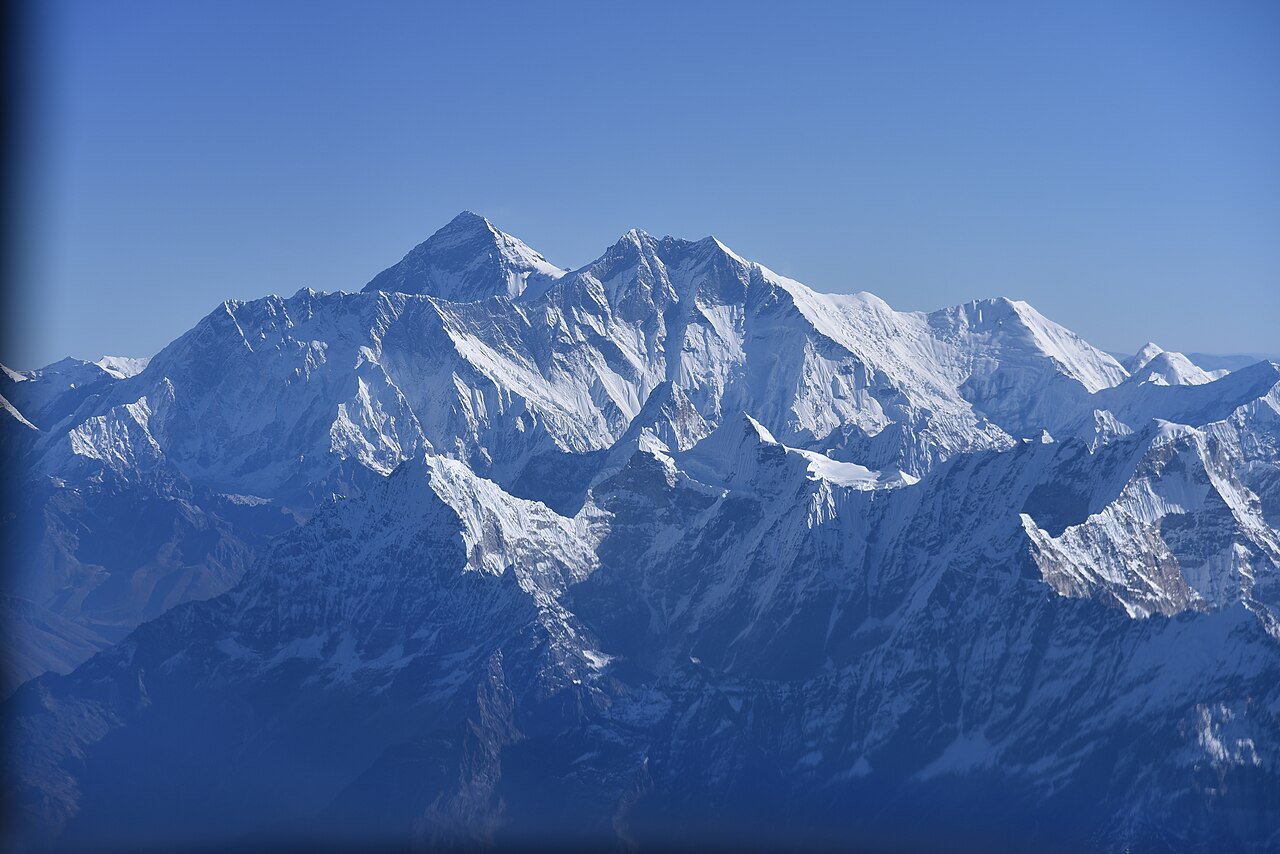
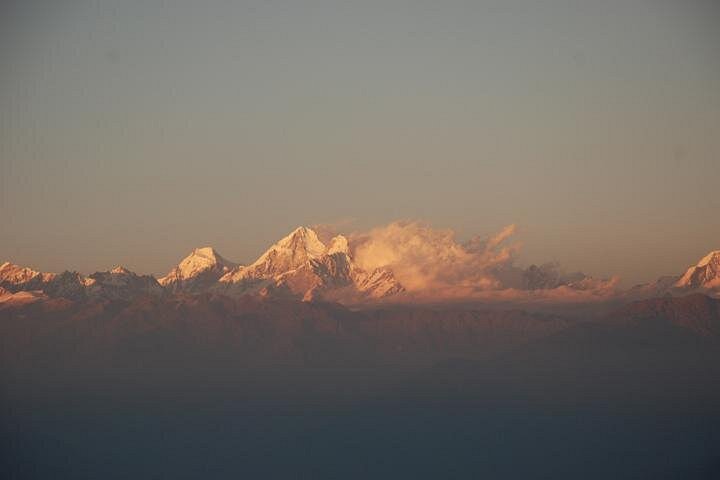
- The Everest mountain flight or Nagarkot for a trip that spans mountains and jungle.
- Time needed
- Two days minimum; three days for a relaxed pace.
Good questions
What animals can I see in Chitwan?+
The headline species is the Asian one-horned rhinoceros, along with deer, wild boar, crocodiles, gharial, monkeys and many birds. Wild elephants and Bengal tigers are present but less often seen.
How long does it take to get there from Kathmandu?+
The road journey usually takes five to six hours, depending on traffic and road conditions. Some travelers fly to nearby airports and transfer by road.
Is one night enough?+
One night works for a quick taste, but travel takes much of two days. A second night gives you a relaxed pace and more time in the park.
When is the best time to visit?+
The cooler, drier months from roughly October to March are the most comfortable for wildlife viewing. The monsoon brings heavy rain and flooding.
Is Chitwan safe for children?+
Many families visit, and jeep and canoe safaris are suitable for children who can sit quietly. Walking safaris have age and safety rules, so ask your lodge.