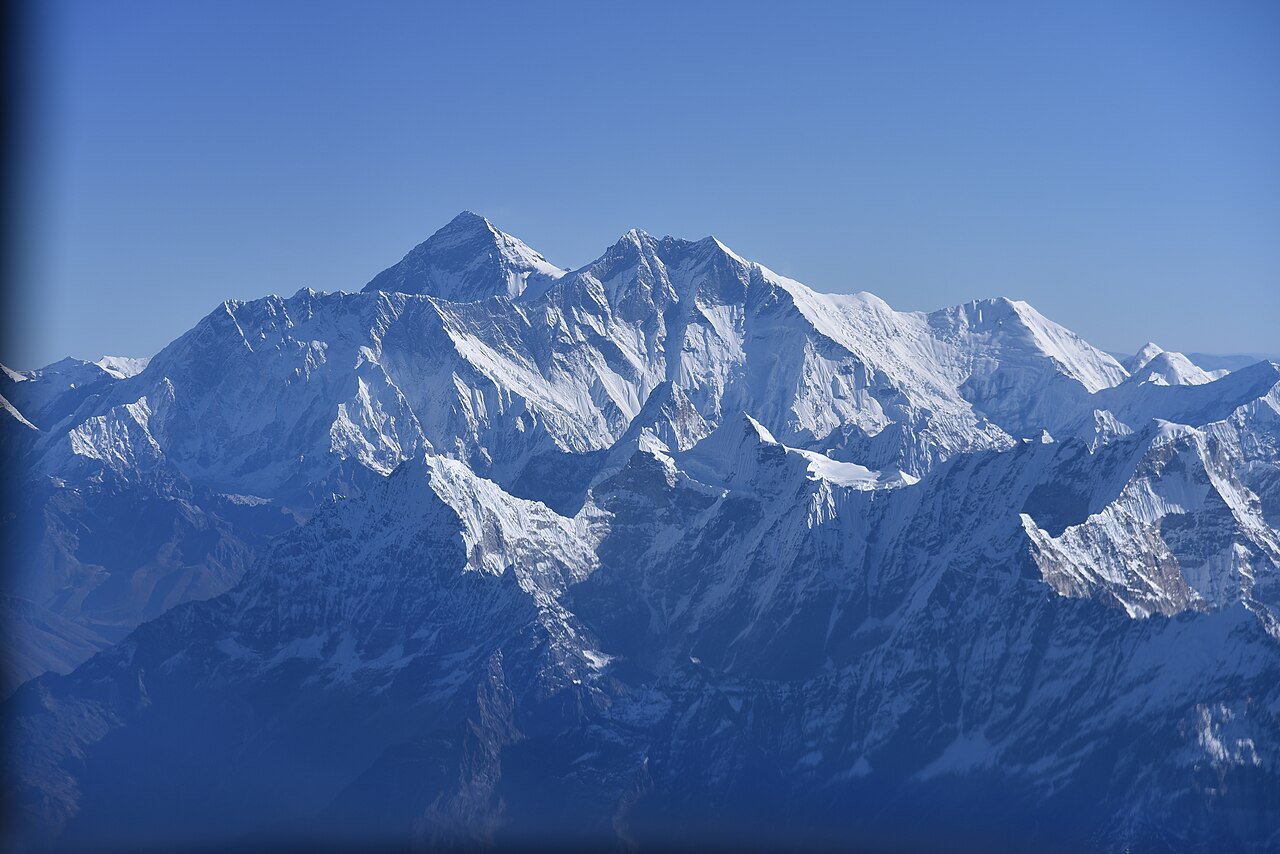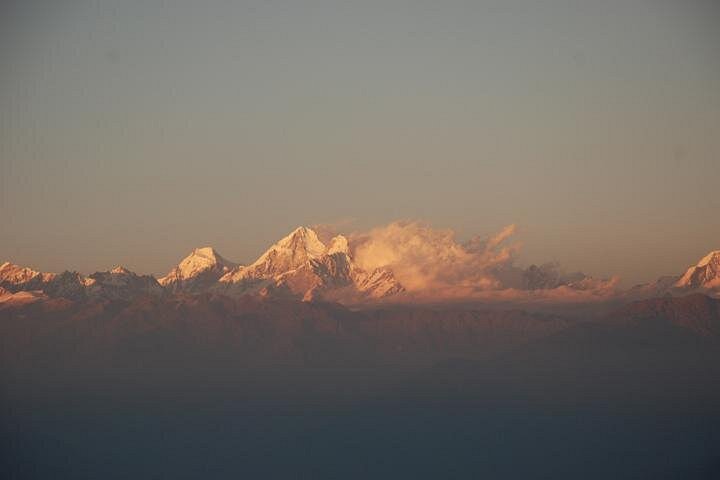
The Everest region sits north-east of Kathmandu, and a helicopter turns a trek of two weeks into a morning. The flight follows the valleys toward Namche Bazaar, climbs past the monastery of Tengboche and lands at a high landing site near Kala Patthar or Everest Base Camp, depending on conditions and the operator's plan. You step out into thin cold air at a height where trekkers arrive after days of climbing, with Everest, Nuptse and Lhotse close at hand. Many tours add a breakfast stop at a mountain lodge before the return flight to Kathmandu. It is a thrilling and expensive experience, and weather decides everything.
Be realistic about conditions. Mountain flying depends on cloud, wind and visibility, and delays or cancellations are common, particularly in the monsoon. Keep a spare day in your schedule, and ask the operator what happens if the landing cannot be made. Some flights fall back to a lower landing or a scenic return rather than the full plan, and policies vary. Book early in your trip so there is room to try again if the weather turns.
Altitude is the other consideration. The landing site is high, and although you spend only a short time on the ground, some visitors feel breathless, dizzy or headachy. Move slowly, drink water and tell the crew if you feel unwell. Dress in warm layers, a windproof jacket, gloves, a hat and sunglasses, because it is cold and bright even on a clear day. Seats are limited, so window access varies and the pilot arranges the group to balance the aircraft.
Think about what you want. A fixed-wing Everest mountain flight shows the peaks from the air for a smaller cost, but you do not land. A helicopter landing gives you ground contact, photographs at the top of the world and a sense of scale that photographs cannot capture. It also costs far more, so many travelers share seats in a group or charter.
Respect the mountain environment, take all your rubbish with you and follow the crew's directions at the landing site. Whatever the weather, the day is a reminder of how close the world's highest peaks are to the valley's temples and traffic.
What to expect
The experience
A helicopter flight from Kathmandu into the Khumbu with a high landing, mountain views and a return flight.
Best time
Autumn and spring mornings, with clear skies and stable weather.
How long
A morning, around four to five hours door to door depending on plan and weather.
Tips
Keep a spare day for weather, dress in warm layers and move slowly at the landing site.
Quick picks
- Best for
- Travelers who want Everest's surroundings without trekking for two weeks.
- Families
- Older children and teens are possible, but altitude and cost make it better for adults.
- Couples
- A memorable shared milestone for a special trip.
- Pair with
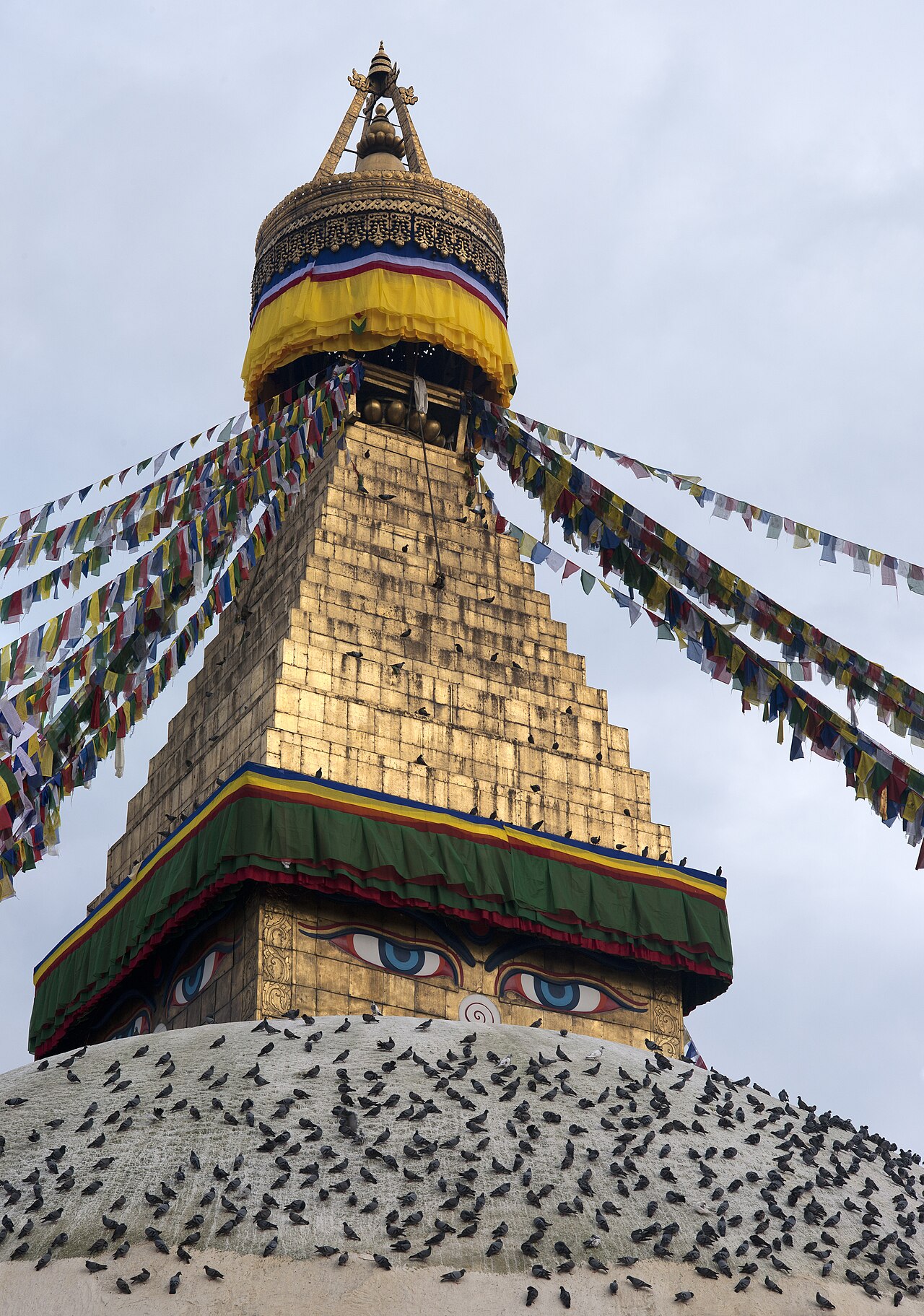
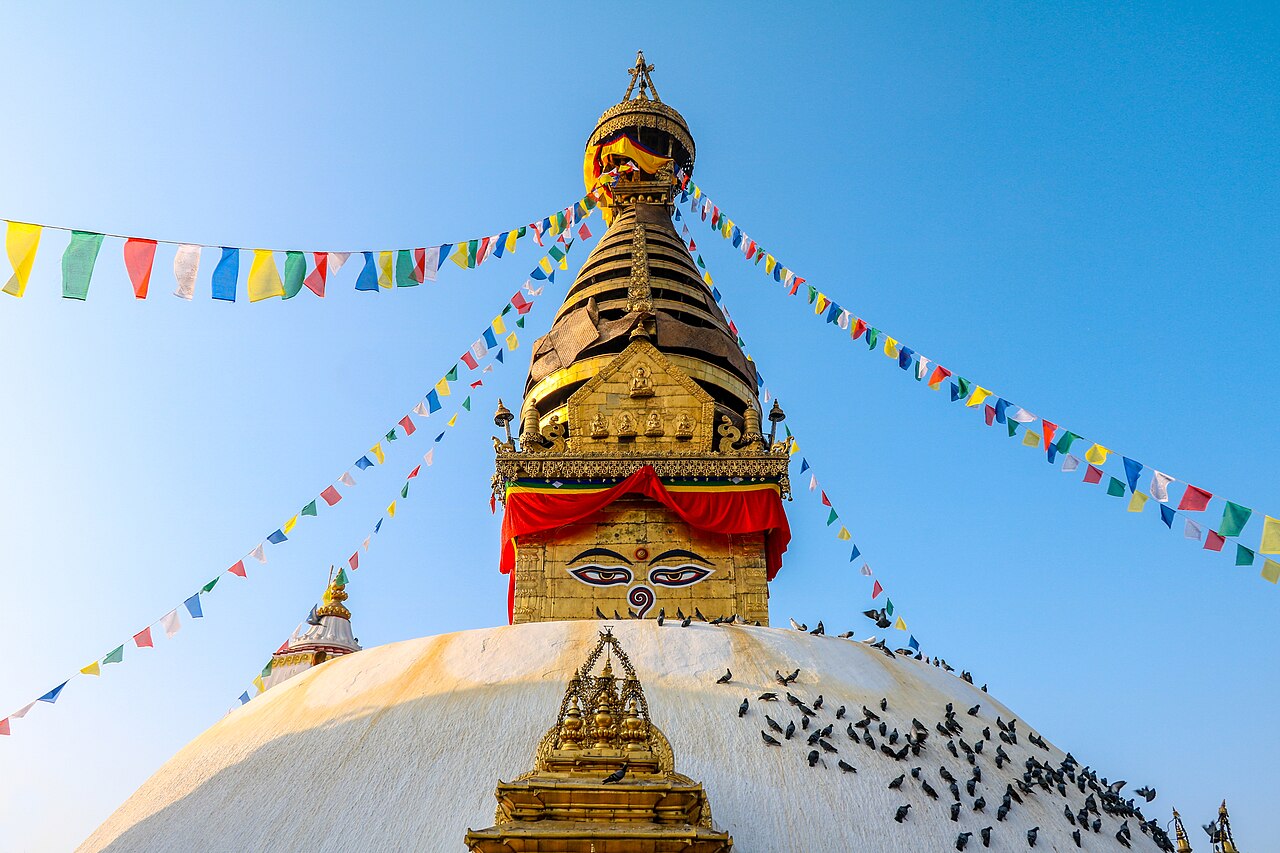
- An evening at Boudhanath or a relaxed wellness day afterward.
- Time needed
- A morning, plus a spare day for weather.
Good questions
Do I land at Everest Base Camp?+
Landings depend on conditions and the plan. Many tours land near Kala Patthar or at a lower site. Ask the operator.
Will altitude affect me?+
You spend a short time high, but some people feel breathless or dizzy. Move slowly and drink water.
What if the weather is bad?+
Flights can be delayed or cancelled. Keep a spare day and ask about the operator's policy.
How does it differ from the Everest mountain flight?+
The mountain flight is a scenic fixed-wing trip without landing. The helicopter lands in the Khumbu.
What should I wear?+
Warm layers, windproof jacket, gloves, hat and sunglasses.