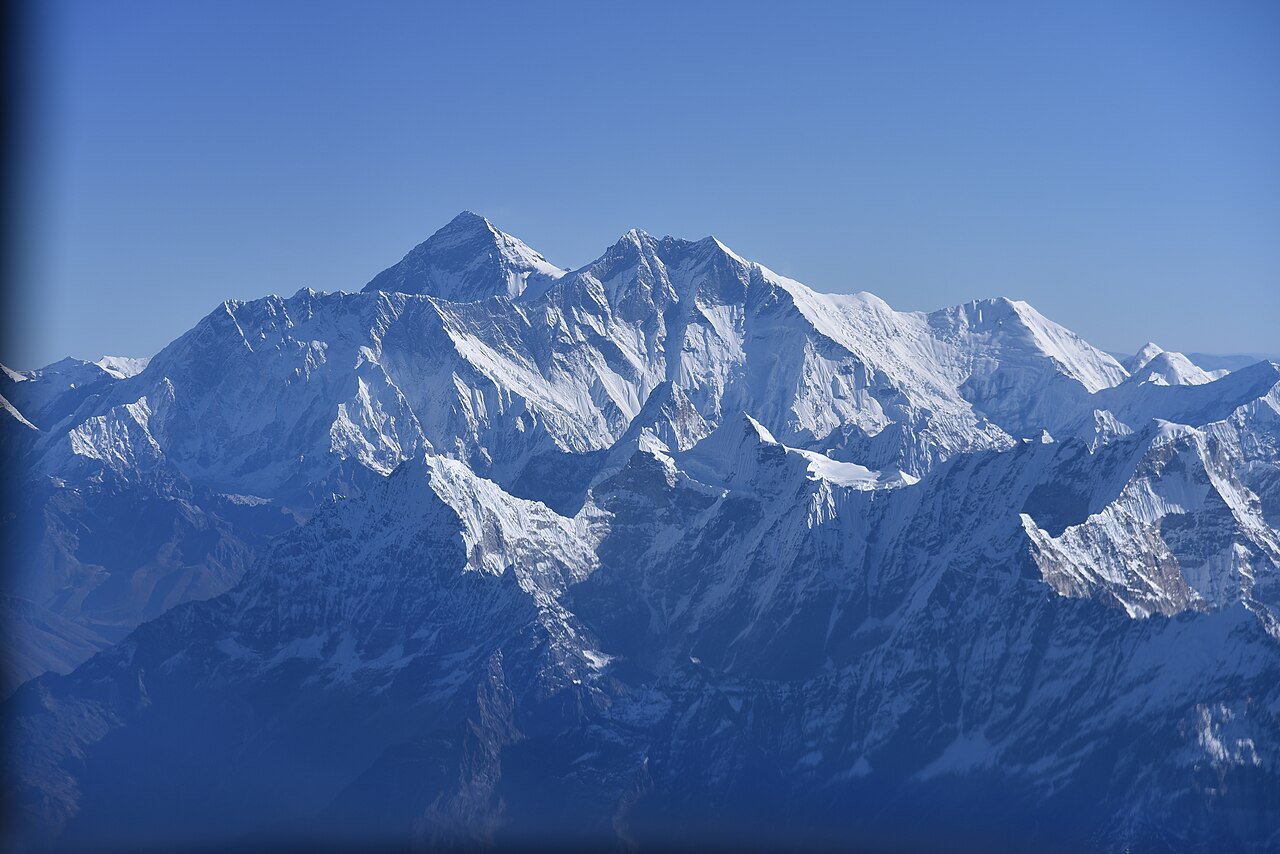
The Everest Base Camp trek starts with a flight from Kathmandu to Lukla, then follows the Dudh Koshi valley up through Phakding, Namche Bazaar, Tengboche and Dingboche to Gorak Shep and the base camp area. The trail crosses high suspension bridges, passes long mani walls and prayer wheels, and climbs into a landscape of glaciers, moraine and peaks. Teahouses provide simple beds and meals along the way, and guides and porters carry gear and handle logistics. Most itineraries take around twelve days including rest days for acclimatization and an optional dawn climb of Kala Patthar for the best view of Everest. It is a major commitment, and for many travelers it is the highlight of a lifetime.
Preparation matters more than bravado. Altitude is the main challenge, since the route climbs above five thousand meters and altitude sickness can affect anyone regardless of fitness. Good itineraries build in acclimatization days, climb slowly and encourage hydration. Train in advance with long hikes, stairs and cardio, bring broken-in boots and take advice from your doctor on altitude medication. Take insurance that covers trekking at altitude and emergency evacuation.
Gear and conditions need thought. Temperatures swing from warm afternoons in the lower valleys to well below freezing at night near the top, so layers, a warm sleeping bag, gloves and a hat are essential. Many operators supply down jackets and sleeping bags on request. Spring and autumn offer the clearest skies and most stable weather, while winter is colder and quieter and the monsoon brings cloud and mud. Flights to Lukla can be delayed by weather, and in busy seasons they may depart from a different airport, so leave buffer days at either end.
Choosing an operator is the most important decision. Look for guides with solid training and good safety records, fair treatment of porters, clear emergency plans and honest information on group size and what is included. Cheap trips can cut corners on guides, porters, food or rest days. In return, a well-run trek gives you friendly teahouse evenings, glimpses of Sherpa culture, sunrise on the highest peaks and a deep sense of achievement. Respect local customs, pass prayer walls on the left, carry out your rubbish and be patient when the mountains set the schedule.
What to expect
The experience
A guided teahouse trek from Lukla to Everest Base Camp and back, with acclimatization days and lodging along the route.
Best time
Spring and autumn for the clearest, most stable weather.
How long
About twelve days, plus buffer days for flight delays.
Tips
Train in advance, break in your boots, get insurance that covers altitude and allow spare days.
Quick picks
- Best for
- Fit, adventurous travelers who want the iconic Himalayan trek.
- Families
- Better for adults and fit teens. Altitude and length make it hard for children.
- Couples
- A big shared challenge with memories that last.
- Pair with
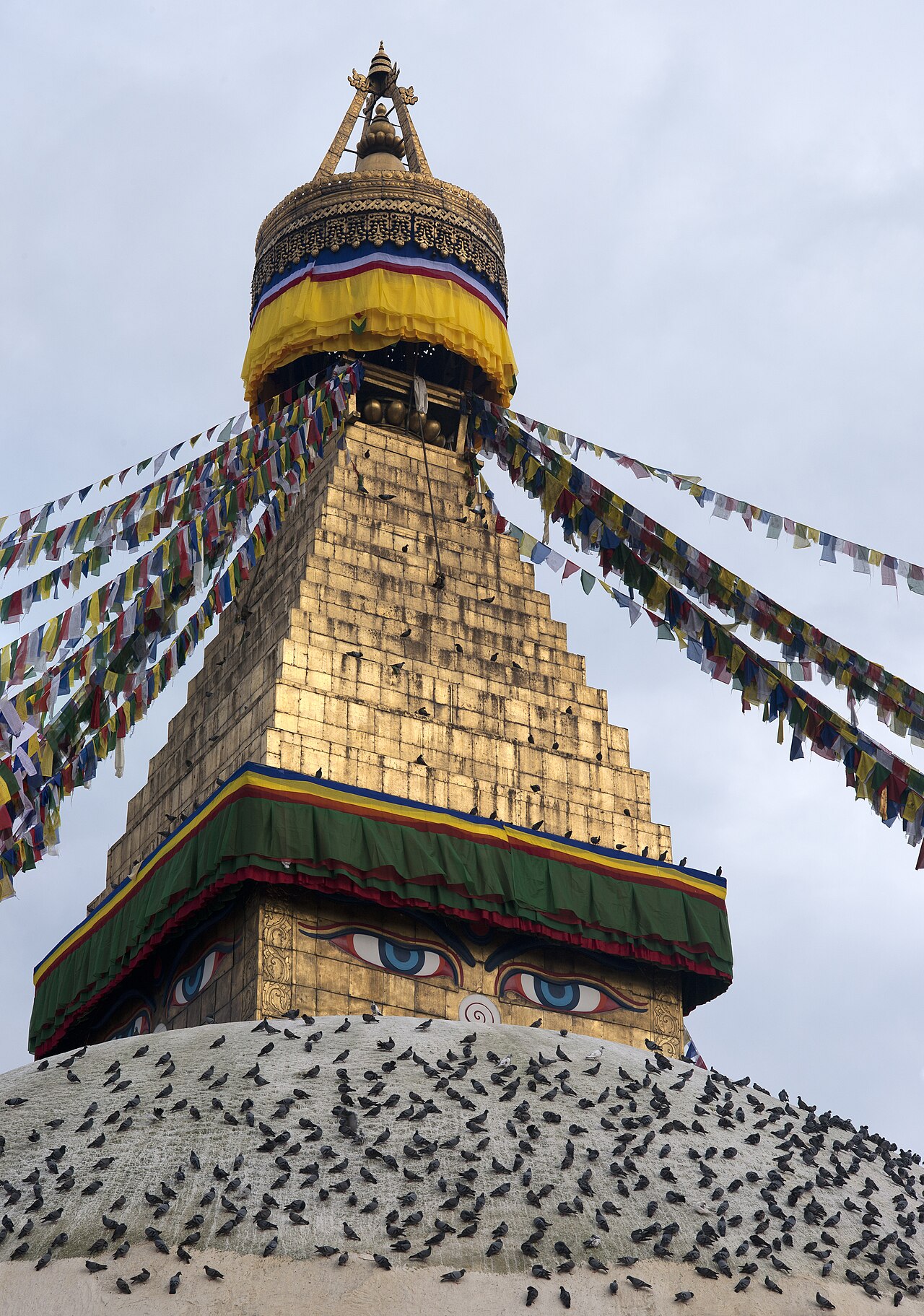
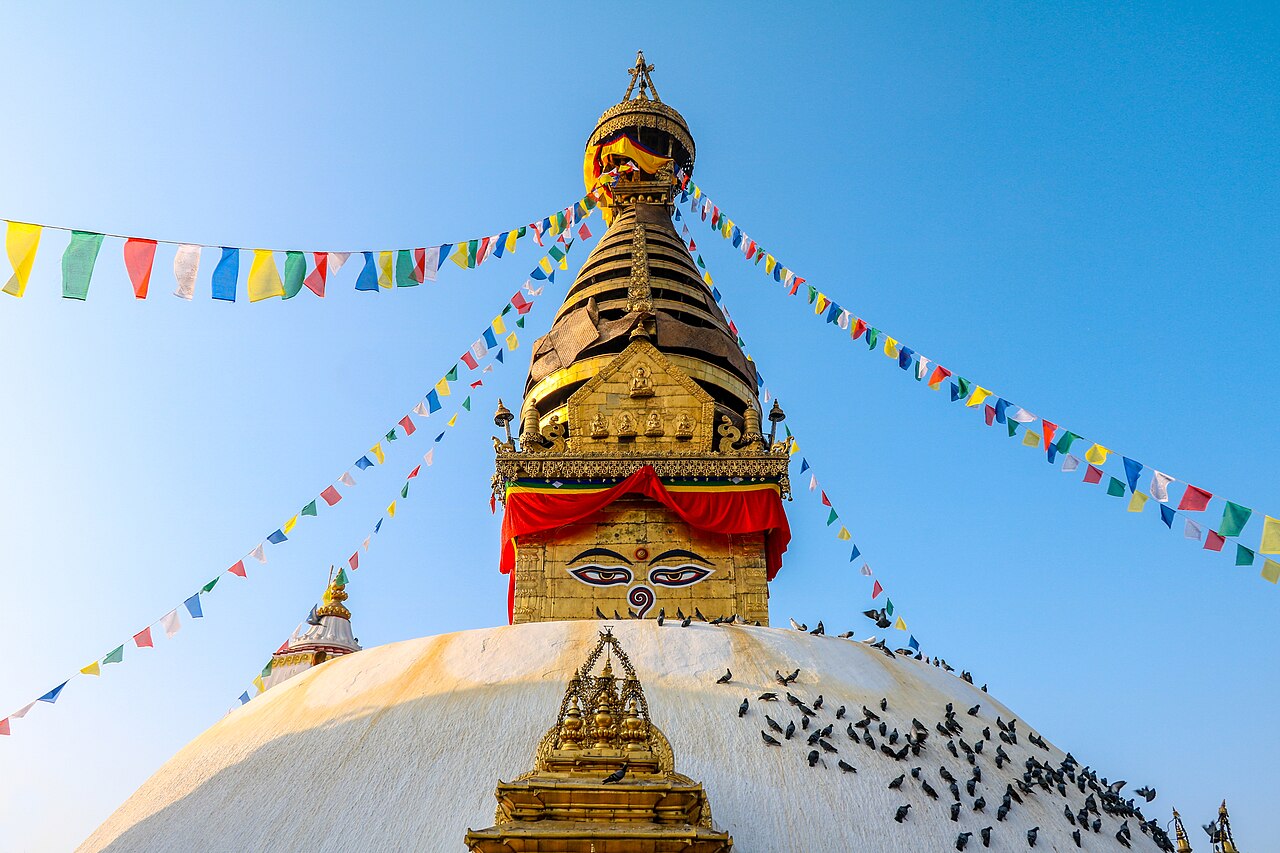
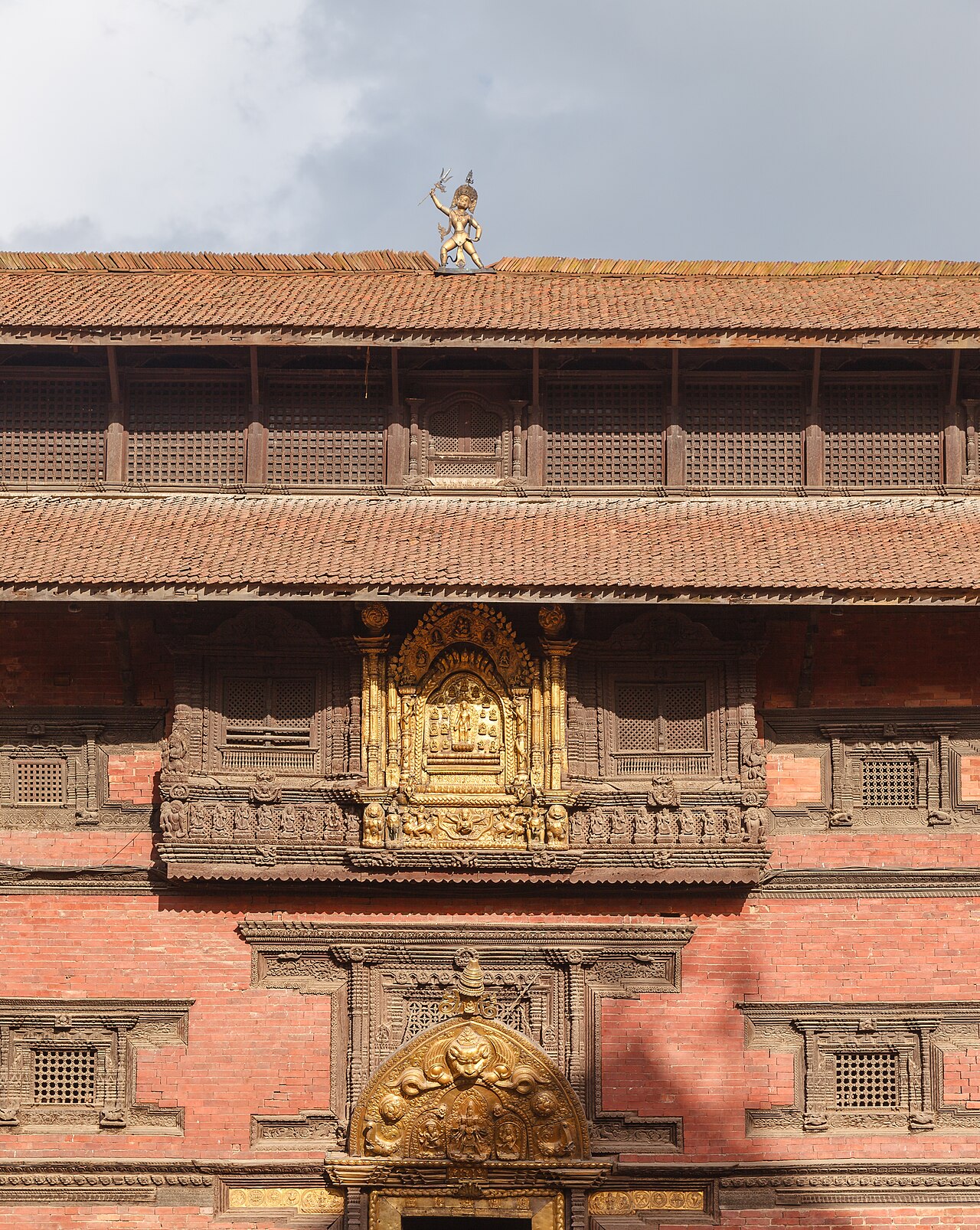
- Kathmandu temples before and after, or an Everest mountain flight if you cannot trek.
- Time needed
- About two weeks including buffer days.
Good questions
How hard is the Everest Base Camp trek?+
It is demanding because of altitude and length, but not technical. Good fitness and gradual acclimatization are the keys.
Do I need a guide?+
Most people go with a guide or a guided group, which helps with safety, logistics and local knowledge.
When is the best time to go?+
Spring and autumn offer the clearest skies and most stable weather.
What about altitude sickness?+
It can affect anyone. Itineraries with rest days, slow pacing and hydration reduce the risk, and descent is the main treatment.
Do I need insurance?+
Yes, with cover for trekking at altitude and emergency evacuation.