Walk through Thamel or Boudha and you will see shops full of brass singing bowls stacked in every size. A guided meditation session shows what they are actually for. A practitioner seats you in a quiet room, explains the origins of the bowls in Himalayan Buddhist and shamanic traditions, and then plays them around and near you, letting each tone rise, blend and fade. You are invited to sit or lie down, close your eyes and follow the sound. Sessions often include a short breathing exercise and a few minutes of silence at the end. Many people describe feeling deeply relaxed, and even skeptics enjoy the experience of long, layered tones played live in a small room.
The bowls themselves are interesting. Traditional ones are hammered from a mix of metals, and each has a slightly different pitch and overtone. The practitioner may explain how to strike and circle the rim, how the vibration travels through the bowl and the body, and how bowls are tuned to produce a particular range of tones. You might be allowed to try playing one yourself near the end, which is usually harder than it looks. If you are thinking of buying one, a session is a good way to learn what to listen for.
There is no belief required. The session works as music, as relaxation or as a calm introduction to meditation, depending on what you bring to it. Wear comfortable clothes, avoid a heavy meal beforehand and tell the practitioner about injuries or conditions if you plan to lie down. Sessions are usually quiet and private or in small groups. Mobile phones should be silenced so the room stays peaceful.
Where it fits in a trip is easy. After a day of dust, horns and temple steps, an evening session works like a reset button. It is also a good option on days when weather rules out viewpoints or hikes, or when altitude and long journeys are making you tired before or after a trek.
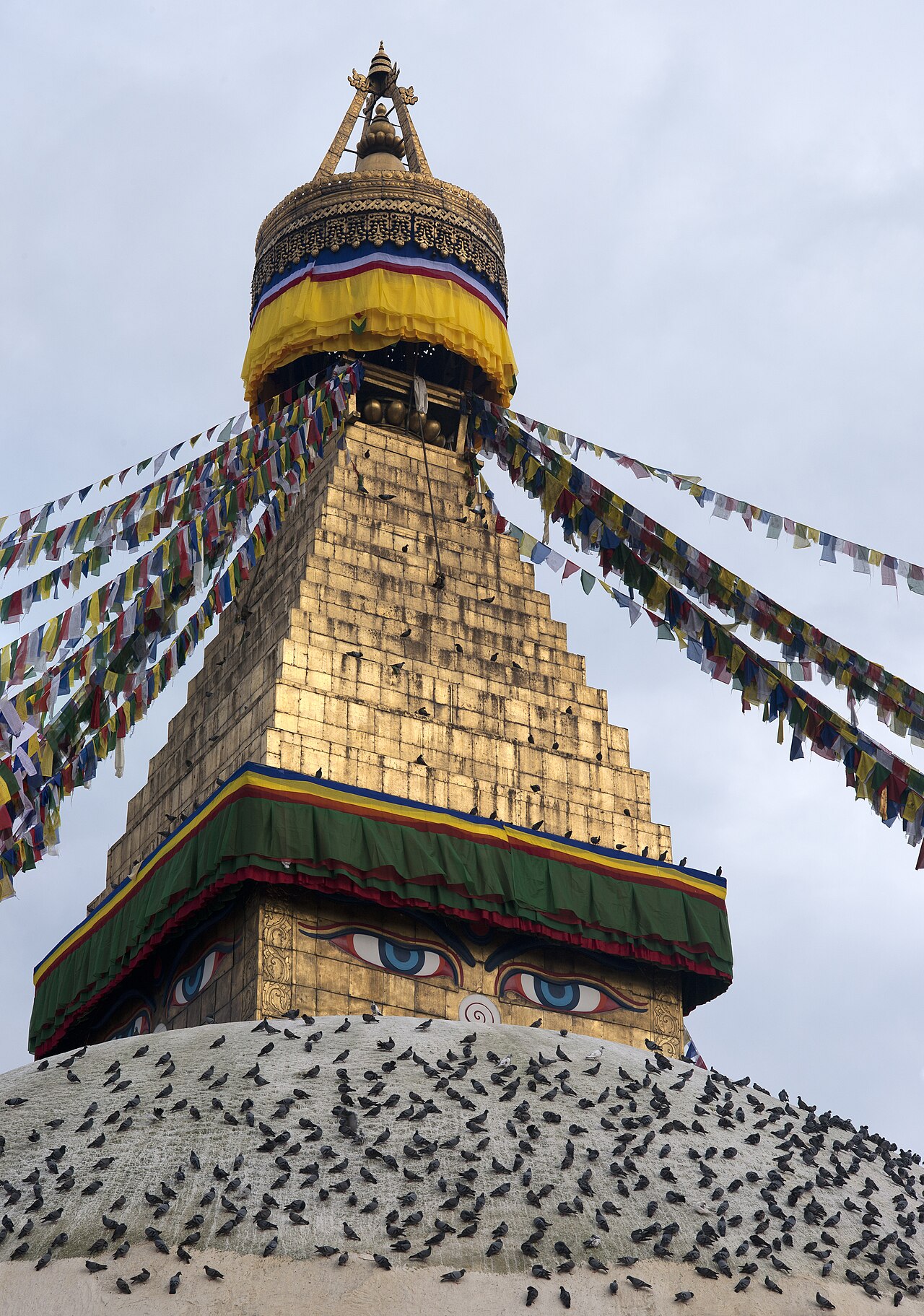
Some travelers combine it with a visit to Boudhanath at dusk, when chanting and butter lamps add to the atmosphere, while others pair it with a massage or a wellness day. Because it needs no fitness and no planning, it suits almost every age and every kind of traveler looking for calm.
What to expect
The experience
A seated or reclining sound session with a practitioner, with a brief introduction to the bowls.
Best time
Late afternoon or evening, as a calm end to a busy sightseeing day.
How long
About an hour to ninety minutes.
Tips
Wear comfortable clothes, avoid a heavy meal first and silence your phone.
Quick picks
- Best for
- Travelers who want rest and a taste of Himalayan Buddhist sound practice.
- Families
- Best for older children and teens who can stay still for a while.
- Couples
- A quiet shared experience, ideal before dinner.
- Pair with
- Boudhanath at dusk, or a massage and wellness day.
- Time needed
- One and a half hours including arrival.
Good questions
Do I need meditation experience?+
No. The practitioner guides you and you only need to sit or lie quietly.
What do singing bowls do?+
They produce long, layered tones that many people find calming. The experience is part music and part relaxation.
Can I buy a bowl afterward?+
Many studios and shops sell them. A session helps you learn to hear quality before you buy.
Is it suitable for everyone?+
Most people can join. Tell the practitioner about injuries or health conditions before lying down.
What should I wear?+
Comfortable, loose clothing is best.