Thangkas are painted scrolls that portray deities, mandalas and scenes from Buddhist teaching, and Kathmandu has been one of their great centers for centuries. Newar and Tibetan artists in the valley still follow rules of proportion and color that have barely changed in hundreds of years. A thangka painting class brings you into that world without demanding years of training. A teacher introduces the tradition, explains the iconography and the symbolism of colors, and then sets you to work on a small canvas, usually starting with a simple design such as a lotus, a mandala or a figure traced from a template. You mix pigments, learn to hold the fine brush and fill the shapes step by step. Even a short session shows how slow, meditative and exact the craft is.
Expect an unhurried studio atmosphere. Many classes take place in or near Boudha or Patan, where artist workshops and thangka shops cluster, and the teacher may show you finished pieces to explain the difference between rough tourist copies and carefully made works. You learn why mineral and plant pigments are valued, how gold is applied to details and why the eyes of a deity are always painted last. Few visitors come away without a new respect for the price tag on a high-quality thangka.
No artistic ability is needed. Beginners are given designs they can finish in the time available, and teachers adjust their guidance to the group. Wear clothes that can handle paint, bring patience and expect to concentrate for several hours. Some classes run as a half-day session, while others offer longer courses for those who want to go deeper. Finished pieces are usually yours to take home, though larger or more detailed work may need more time.
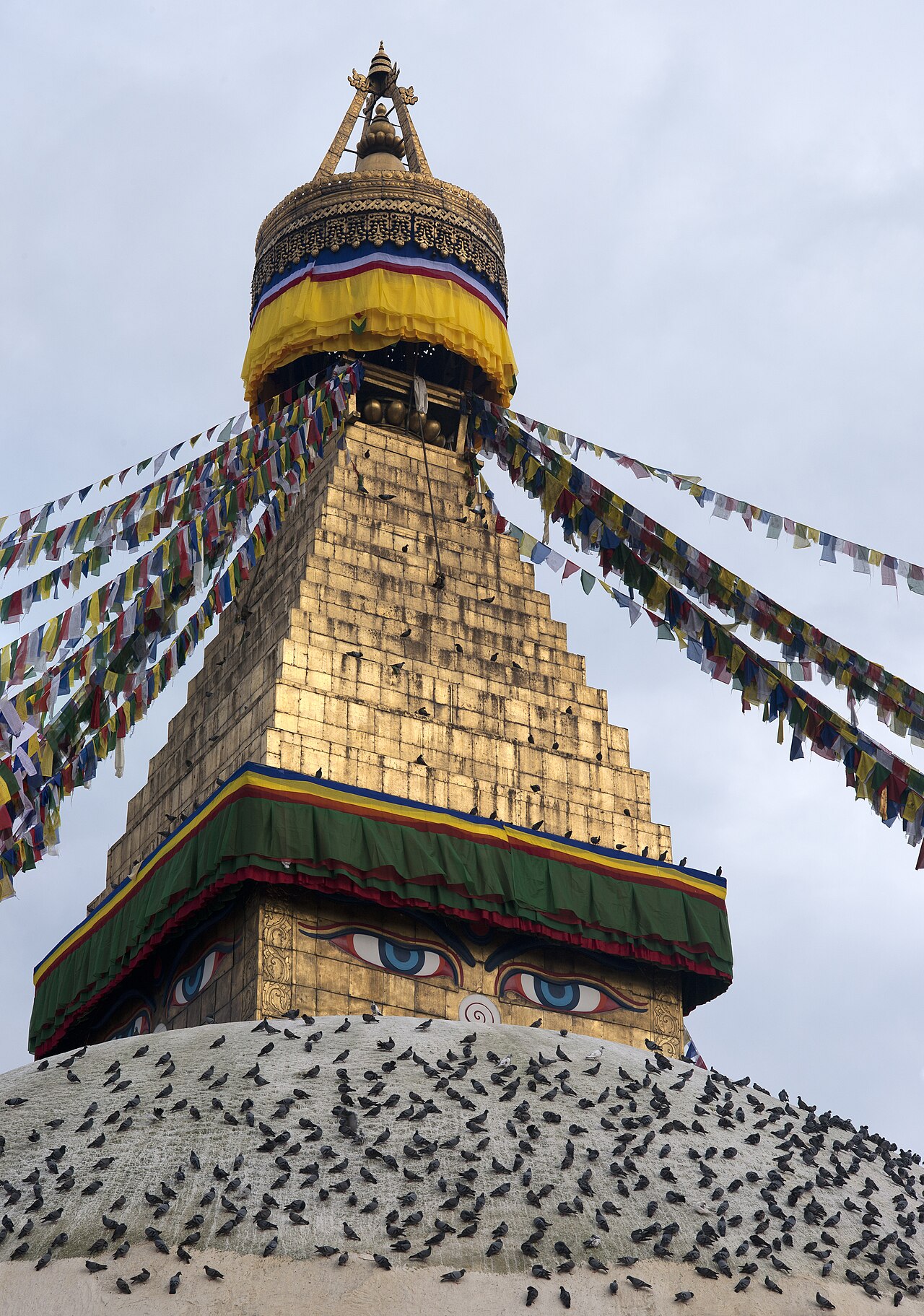
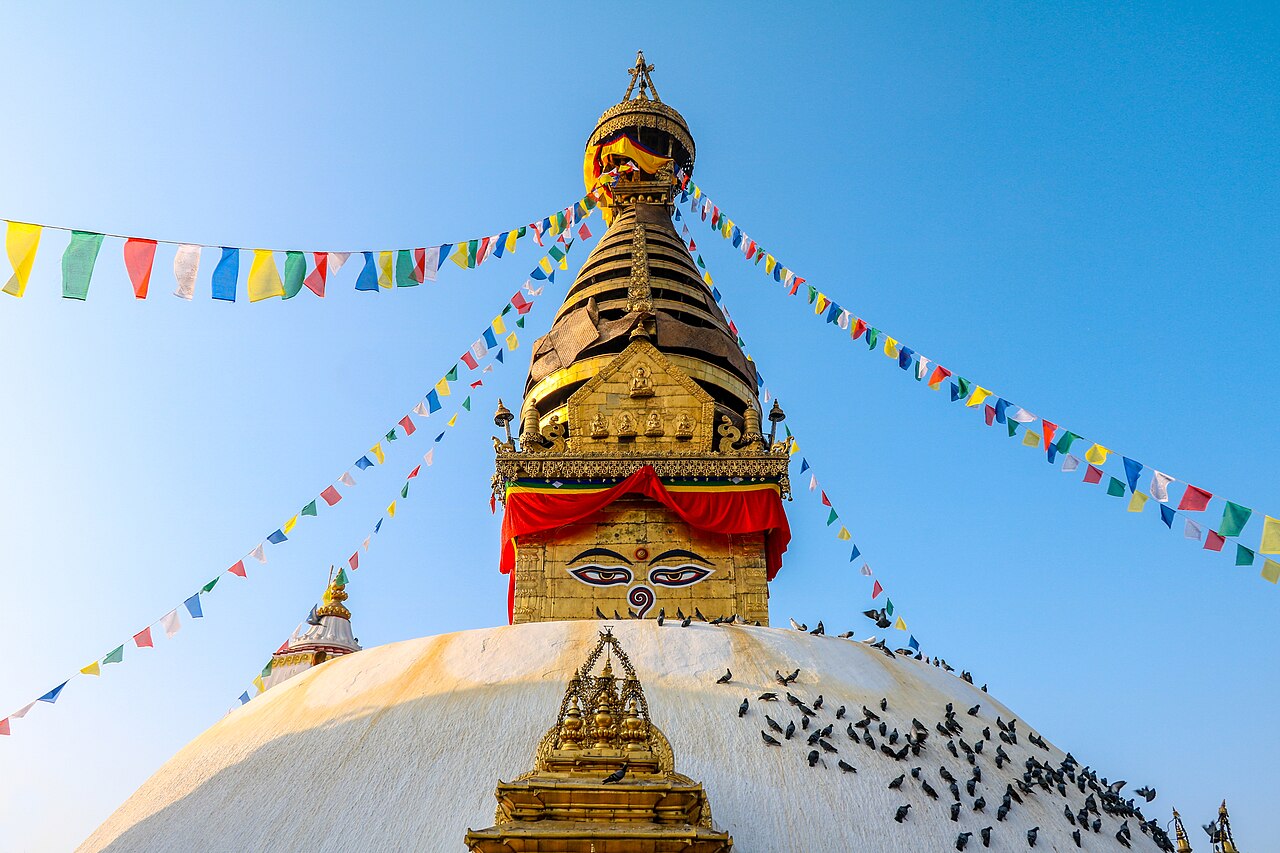
This is a good activity for a quiet afternoon between sightseeing days, and it pairs naturally with a visit to Boudhanath, where you can see how thangka imagery appears on monastery walls and prayer flags. If you are interested in buying a piece, the class gives you a basis for judging quality, and a good teacher will point out what to look for without any pressure.
Because the work is calming, it suits visitors who have found the noise and crowds of the city tiring. It also makes a distinctive gift to make for someone else, which many students end up doing.
What to expect
The experience
A guided studio session where you paint a small thangka under the eye of an artist.
Best time
Afternoon, as a calm break from morning sightseeing.
How long
Around three to four hours, with a longer course available for those who want it.
Tips
Wear clothes that can get paint on them and ask the teacher how to judge quality if you plan to buy.
Quick picks
- Best for
- Creative travelers who want a hands-on link to Tibetan Buddhist culture.
- Families
- Teens and calm older children can enjoy it, but the work needs patience and a steady hand.
- Couples
- A quiet shared project that leaves you with a keepsake.
- Pair with
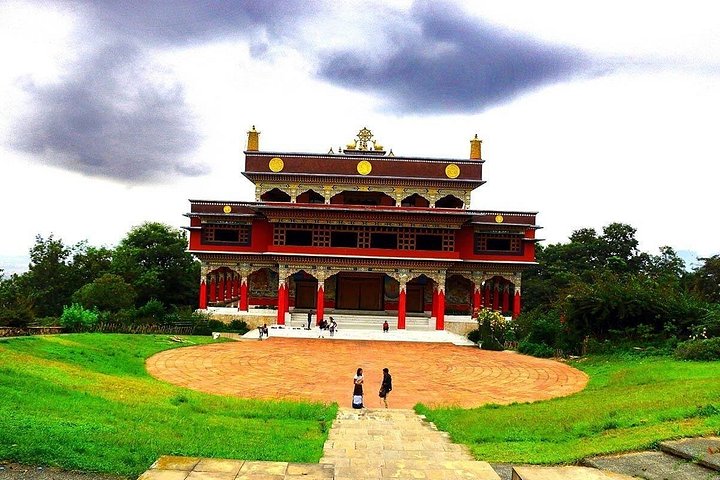
- Boudhanath Stupa or Kopan Monastery on the same day.
- Time needed
- A half day.
Good questions
Do I need to be able to draw?+
No. Beginners start with simple designs and receive step-by-step guidance.
Can I take my painting home?+
Usually yes, as long as it is finished in the session. Ask your teacher about drying and packing.
What materials are used?+
Classes use paints suited to beginners, and teachers often show traditional mineral and plant pigments for comparison.
Where does the class take place?+
Often in a studio near Boudha or Patan, where thangka artists work. Check the meeting point when you book.
Is it good for buying a thangka?+
The class teaches you what to look for in quality, which is useful if you want to buy later.