Munnar is the best-known hill station in Kerala, and many visitors treat it as a one-night stop on the way between Kochi and Thekkady. That is enough to see the tea slopes from a car window, but it is not enough to enjoy what the hills offer. Three days gives time for walks, wildlife, viewpoints and a slower pace, and the region has more variety than most people expect, from misty tea gardens to dry forest. This guide sets out a realistic plan and explains how to avoid the common mistakes.
Getting there and settling in
Munnar is around four hours by road from Kochi, longer if traffic or rain slows the climb, and the final stretch is steep and winding. Aim to arrive by early afternoon so you have time to settle in and take a short walk. A property outside town, such as Fragrant Nature Munnar or Glenmore Resorts, offers quiet and views, while a base in town gives access to restaurants and markets. Pack warm layers, because nights are cool and sometimes cold, particularly from December to February.
Day one: the tea trail
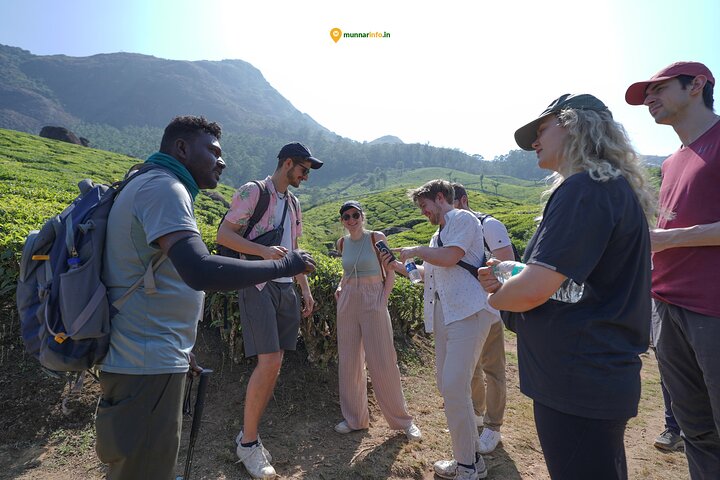
Begin gently with a tea trail walk and factory experience. A guided walk through the plantations explains how tea is grown, picked and processed, and a tasting at the end shows the difference between grades. The work is hands-on and the slopes are spectacular, especially in the morning and late afternoon when the light is low. It is an easy day and a good way to adjust to the altitude. Wear sturdy shoes, carry water and expect some uneven ground.
Day two: sunrise, then wildlife
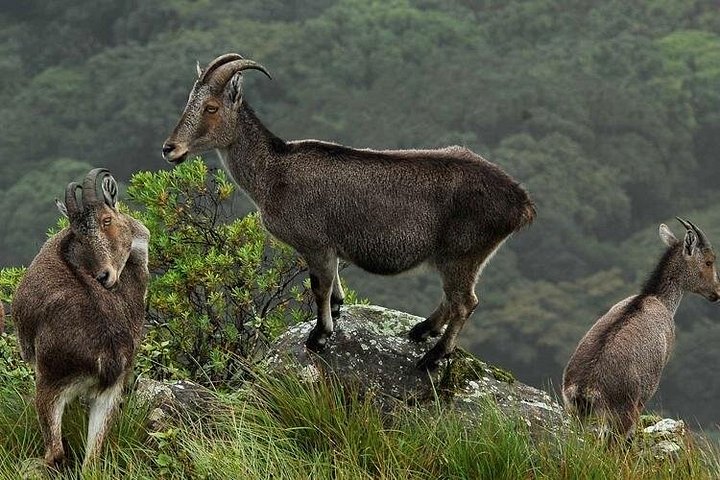
Start early with a Top Station sunrise tour, if the weather allows. Cloud decides whether you see a sea of mist or nothing, so keep expectations flexible and ask your guide about conditions. After breakfast, visit Eravikulam National Park, home of the Nilgiri tahr, with grasslands and views over the high hills. The park has timed entry, a short bus ride and a walking section, and is closed for part of the year during the tahr calving season, so check the dates. In the afternoon, rest. If you prefer adventure to quiet, replace the sunrise outing with a Kolukkumalai jeep safari, a rough ride to one of the highest tea estates, which includes a factory visit.
Day three: forests and elephants
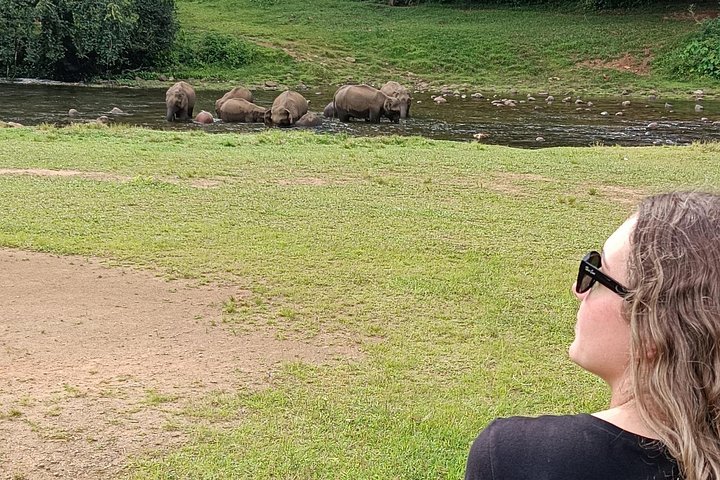
For a wildlife day, choose between two very different outings. The Anakulam elephant village tour goes into forest and village landscapes where wild elephants sometimes come to the water. Sightings are not guaranteed, but the scenery and the villages make the trip worthwhile. Chinnar Wildlife Sanctuary lies in the rain shadow, with drier forest, a different set of animals, including the rare grizzled giant squirrel, and good walking. Both can be done in a day, but not both together. Pick the one that matches your energy and interests.
Weather and seasons
November to March is the best period, with clear skies and dry trails, although nights are cold. April and May are warmer but can bring hazy views. The monsoon from June to September is dramatic and green, with waterfalls and mist, but landslides can affect roads and some activities are suspended. Always check conditions with your hotel before heading out, and allow a buffer day if you have a flight to catch.
Practical tips
Book the popular experiences such as Eravikulam, jeep rides and sunrise tours in advance during peak season. Bring a warm jacket, a hat and sunscreen, since the altitude makes the sun strong. Carry cash for tea stalls and small shops, and keep your phone charged because signal can be patchy. Hire a local driver or guide for the steeper roads, and avoid driving at night. If you can, extend your stay to include a cooking class or a visit to a spice plantation. With three days, Munnar becomes a destination rather than a rest stop. Finally, build in one unscheduled afternoon. Munnar rewards slow time, and an hour on a veranda with a cup of tea, watching mist drift over the slopes, is often what people remember most about the trip. If the weather turns, a cooking class or a visit to a spice garden makes a good indoor alternative, and your hotel can usually arrange either at short notice.