Kerala has a tropical climate with three broad seasons: a cooler, drier winter, a hot spell before the rains, and a long monsoon. The best time depends on what you want to do, because the beaches, backwaters, hills and wildlife reserves all behave differently through the year. The short answer is November to February for a first trip, but the other months have their own appeal, and some of them are cheaper and quieter.
November to February: the main season
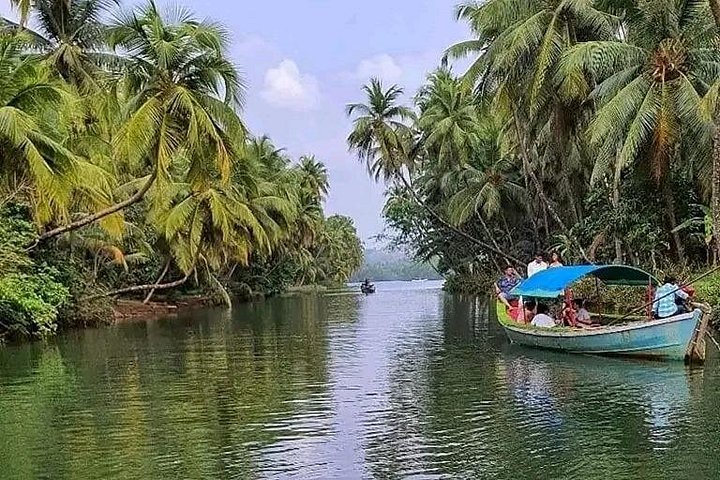
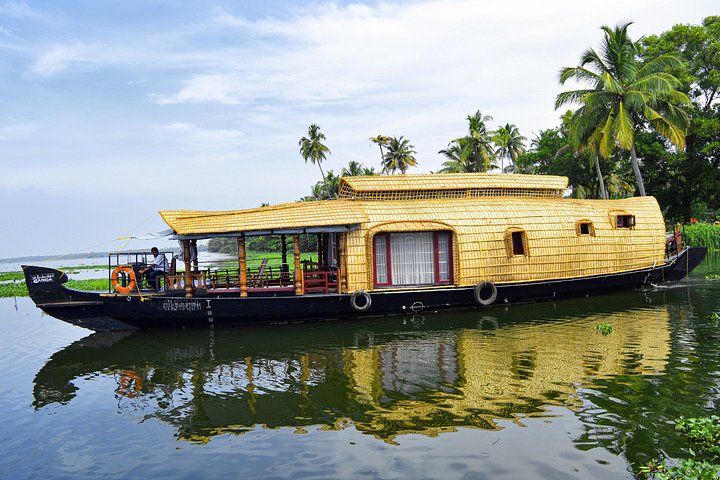
These months are the most comfortable, with warm sunny days, cooler evenings in the hills and calm water on the backwaters. It is the best time for the full loop from Kochi to Varkala, for houseboat cruises, for beach days and for walking in Fort Kochi. It is also the busiest and most expensive time, so reserve hotels, the houseboat and any show or food walk well ahead, especially around Christmas and New Year. Hill stations such as Munnar are cool and misty in the mornings, so bring a warm layer for evenings, and Periyar is good for boat cruises in clear weather.
March to May: heat and quiet
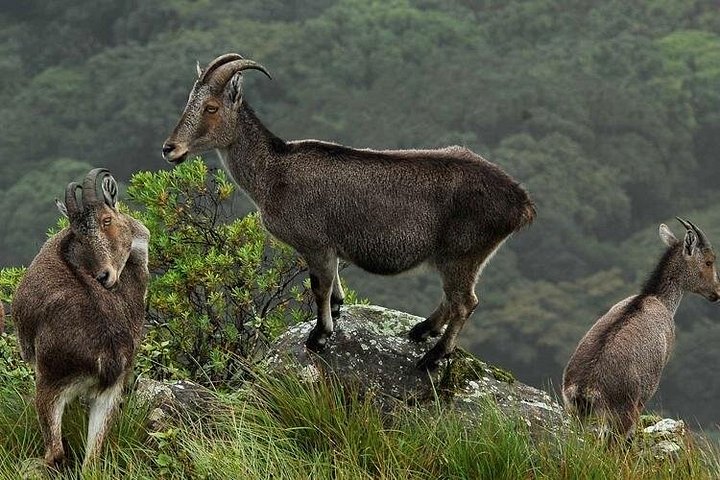
The pre-monsoon months are hot and humid on the coast and in the backwaters, and the middle of the day can be punishing. The hills of Munnar and Thekkady stay noticeably cooler and are the sensible place to spend this season, with tea country, spice gardens and walks. Eravikulam National Park closes in February and March each year for the Nilgiri tahr calving season, so plan around that closure if the high grasslands matter to you. April and May bring festival season in many Kerala towns, and the large temple festivals, such as the elephant pageants of Thrissur, take place in the spring, so ask locally about dates.
June to September: the monsoon
The southwest monsoon normally reaches Kerala in early June and brings heavy rain through September. Landscapes turn intensely green, waterfalls run full and rates fall sharply, which is why the monsoon is popular with travellers who want Ayurveda treatments and quiet stays. The trade-offs are real. Rain can disrupt travel, hill roads can be affected by landslides, and the sea at Varkala is rough, so swimming from the beach is risky and should be avoided. Kerala Tourism names June to August as the ideal time for the Kumarakom Bird Sanctuary, so the rainy season can suit birders. Pack a good waterproof, quick-dry clothes and flexible plans.
Onam and the boat races
Onam, Kerala’s main harvest festival, falls in late August or September, depending on the lunar calendar. It brings flower carpets, feasts served on banana leaves and snake-boat races on the backwaters. The Nehru Trophy Boat Race on the Punnamada Lake near Alleppey is the best known, and is traditionally held in August or early September. Dates move each year, so check before you book, and reserve early, because hotels and houseboats fill up around the race and the festival days.
October and November: the second rains
The northeast monsoon brings showers in October and November, usually shorter and more scattered than the main monsoon. Many travellers start their trip in November once the skies have cleared, and the landscape is still green and fresh, making it a good time for photography. Keep a flexible plan for the first weeks, and expect clearer weather by December.
Choosing by place
For Fort Kochi, go in the cooler months, when walking is a pleasure, and add the art festival if you are visiting in a year when it runs from December. For the backwaters, winter is the classic season, while the monsoon offers atmosphere and lower rates. For Munnar and Thekkady, the hills suit any season but are most dramatic in the clear, cool months, and Munnar is a good escape from the March to May heat. For wildlife at Periyar, winter and the dry months give the best viewing from the lake boats, since animals come to the water. For Varkala beach, November to February is the swimming and cafe season, and the monsoon is for the cliff views only.
Crowds, prices and planning
Peak months bring higher prices and fuller hotels, and the monsoon brings lower prices and fewer visitors. If you can be flexible, aim for the shoulder weeks, early November or late February, when the weather is good and the crowds have not built or have thinned. Whatever you choose, build slack into your plan for long road days, because even in dry months the hill and coastal roads are slow.