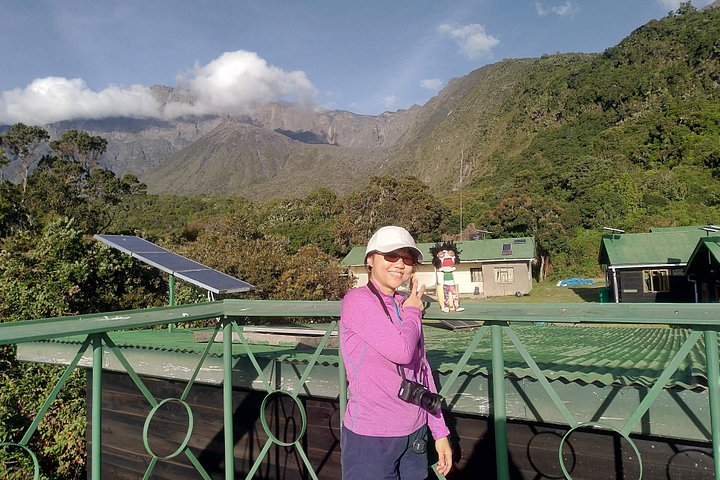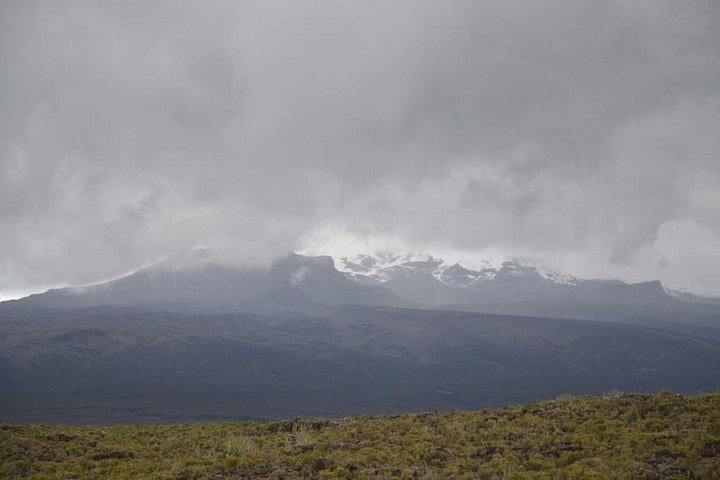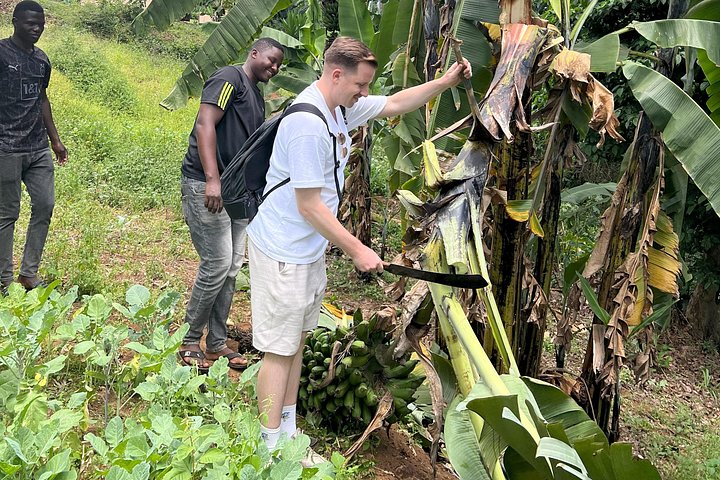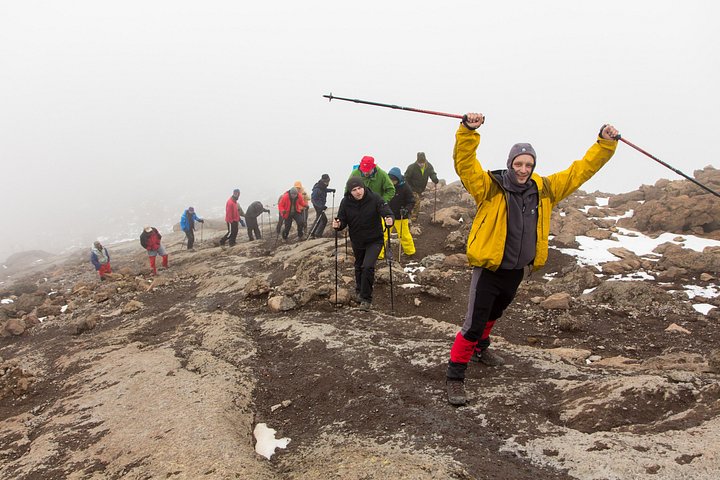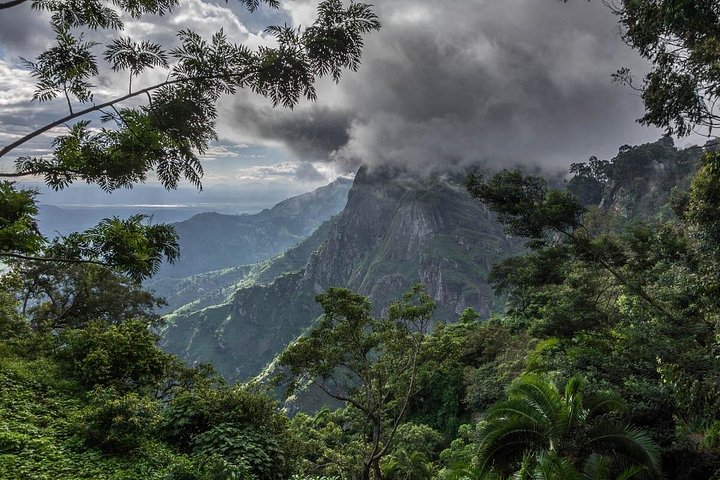
The Usambara Mountains rise from the plains of north-eastern Tanzania, a few hours' drive south of Moshi, and form part of the ancient Eastern Arc range. They are cool, green and densely farmed, with deep valleys, forest remnants, terraced fields and viewpoints over the plains below. Many visitors know the Usambaras as a gentle trekking destination, with well-used footpaths linking villages, and a four-day trip from Moshi is a good way to see a different side of Tanzania from the Kilimanjaro region. The Usambaras are very different from Kilimanjaro. Here the walking is at moderate altitude, the temperatures are mild and the focus is on the landscape and the people. Trails wander between villages, past vegetable gardens, small churches and schools, and into patches of forest where birds and chameleons live. Sections of the range are known for rare plants and animals found nowhere else, and for the African violet, which was first described from here. A four-day cultural trek typically combines daily walks of a few hours with visits to village communities, a stay in simple guesthouses and local meals. You can expect a friendly pace and plenty of time to talk to people. It is a good choice for those who want an active holiday without the cold, thin air of a big mountain.
The journey from Moshi to the start is long, and the roads in the mountains can be winding and rough. Allow time for the drive and ask the operator how transfers are handled. Accommodation is usually simple, with basic rooms, shared bathrooms and home-cooked meals. Evenings can be cool at altitude, so bring a warm layer.
Walking is moderate, but the terrain is hilly. Expect steep climbs and descents on narrow paths, and wear shoes with good grip. A light rain jacket is essential, since showers can come at any time of year, and the forest paths can be muddy. Trekking poles help on the descents.
Cultural etiquette is similar to elsewhere in Tanzania. Greet people politely, ask before photographing anyone, dress modestly and buy small items from local stalls. Your guide will introduce you to hosts and explain local customs. If you are interested in birds, bring binoculars; the forests hold a rich variety and a few special species.
Because the trip departs from Moshi, it combines naturally with a Kilimanjaro climb. Do the Usambaras as a gentler pre-climb walk, or as a rest after summit day, and add the Chagga culture experience or the Marangu Cultural Tour here for more village time. The best months for walking are the drier ones, roughly June to October and January to February, though the mountains are green year-round. Confirm what the price covers, including guide fees, meals, lodging and transfers.
To get the most from the trip, bring a good daypack, a refillable water bottle, insect repellent and a small gift or notebook for hosts. The Usambaras reward slow travel, so take time at viewpoints and in villages rather than rushing. If you are combining the trip with a Kilimanjaro climb, do the Usambaras first to build leg strength at moderate altitude, then travel to the mountain well rested.
What to expect
The experience
A guided four-day trek and cultural trip in the Usambara Mountains, with village stays and local meals, starting from Moshi.
Best time
Roughly June to October and January to February for drier trails; the hills are green year-round.
How long
Four days, with a long transfer at each end.
Tips
Wear grippy shoes, carry a rain jacket and a warm layer, and ask about transfer times.
Quick picks
- Best for
- Walkers who want a gentle mountain trek with local culture.
- Families
- Good for families with children who can walk several hours a day.
- Couples
- Quiet trails and views, with cool evenings.
- Pair with
- A Kilimanjaro climb before or afterwards.
- Time needed
- Four days plus travel.
Good questions
How is it different from Kilimanjaro?+
The Usambaras are lower, cooler and gentler, with a focus on villages and forest rather than a summit.
How far is it from Moshi?+
A long drive of several hours each way, so allow for it in your plans.
Is it a hard trek?+
Moderate. The distances are manageable but the terrain is hilly.
Will I see wildlife?+
Birds, chameleons and monkeys are possible, but sightings are not guaranteed.
Where do we stay?+
In simple guesthouses or similar lodgings, with local meals.