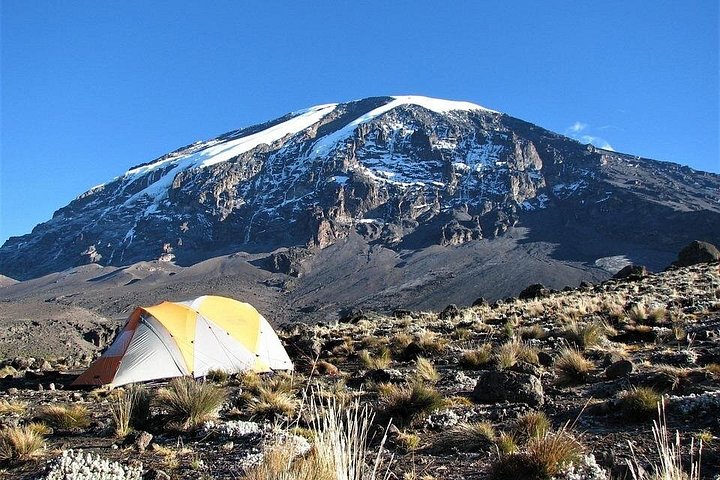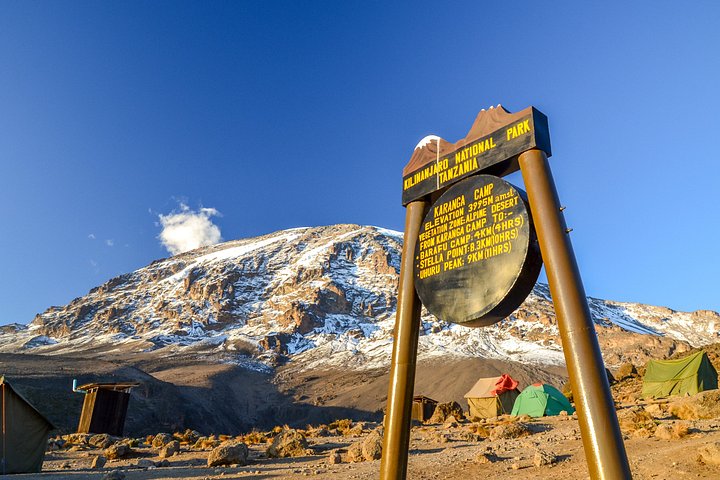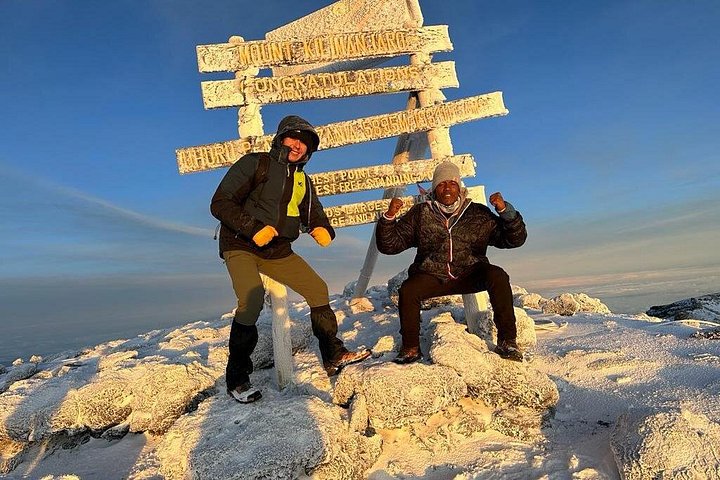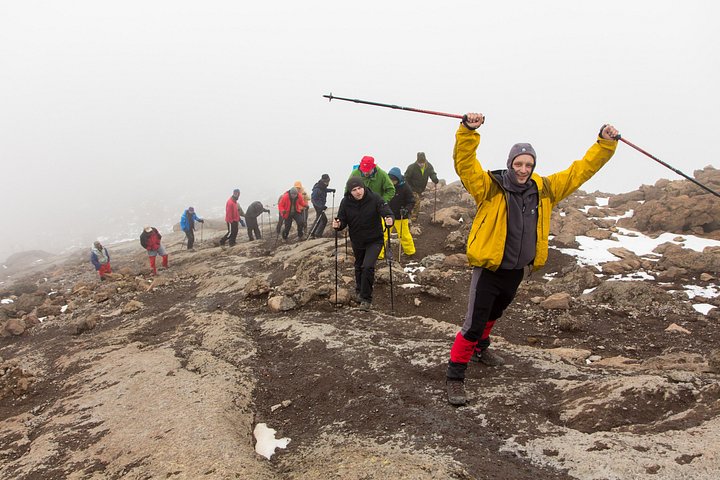
Kilimanjaro can be climbed in every month of the year, but the weather changes the experience. Tanzania sits close to the equator, so seasons are defined by rain rather than temperature. The mountain also creates its own weather, with distinct climate zones from tropical farmland at the base to arctic conditions at the summit.
The two dry seasons
The best windows are roughly January to early March and June to October. In these months the trails are firmer, the skies are clearer and the views from the camps are better. They are also the busiest, so expect more walkers on popular routes and book months ahead. June to October is generally cooler and drier, while January and February are warmer, with a chance of snow near the top.
The rainy seasons
The long rains arrive around March to May, and shorter rains around November. In these months the lower forest is muddy and slippery, cloud is more frequent and views can be limited. The trade-off is fewer people, lower prices and a greener landscape. If you travel in the rains, pick a route that suits the conditions. Rongai, on the drier northern side, is a common choice, and the longer schedules give more flexibility if weather slows you.
Temperature and summit night
Whatever the month, summit night is cold. Temperatures at the top are usually well below freezing, with wind making it feel colder. Lower down, days are warm and nights are cool. Pack for a wide range, including a warm down jacket, gloves and a hat for the final push.
Moon and timing
Many climbers plan summit night around a full moon, which makes the final ascent easier to see and gives dramatic views of the glaciers. Private departures let you pick dates around the moon, while group departures often fix dates on the operator's calendar. Ask the operator for the planned summit date and check the moon phase.
Crowds by route
Machame and Marangu are the busiest in the dry seasons. Lemosho, Rongai and the Northern Circuit are quieter, particularly on the first half of the trek. Umbwe is quiet at the start but merges with Machame partway. If crowds bother you, choose a quieter route rather than a different month.
Weather on different slopes
The southern slopes, where Machame, Umbwe and Marangu start, receive the most rain. The northern side, used by Rongai, is drier. The west, where Lemosho and Shira begin, falls between the two. This is why Rongai is popular in the wet months.
Combining with a safari or village stay
If you want to add a safari, the dry months from June to October also suit wildlife viewing in the northern parks, and our Arusha pages cover day trips there. The wetter months suit lush landscapes and bird watching. For Chagga village stays and coffee days, any season works, though trails are muddier in the rains.
Practical planning
Book flights and a climb early for January to March and July to September. Keep a buffer day before your flight home, in case weather delays the descent. Check current advice and weather forecasts before you go, and remember that conditions can change from day to day. Choose an operator who will tell you honestly if conditions are poor, and be ready to adapt.
Holidays and demand
The Christmas and New Year period and the northern summer holidays are especially busy. If you must travel then, book your climb and your hotels in Moshi well ahead, and consider a quieter route. Shoulder weeks at the start and end of each dry season can be a good compromise, with decent weather and fewer people.
What to expect on any date
Even in the driest month, the mountain can produce rain, fog and snow, and in the wettest month there are clear spells. Pack a good waterproof shell, keep your sleeping bag in a dry liner and be ready for changes. A flexible attitude and a good guide matter more than the exact week you pick.
Flexible travellers
If your dates are open, aim for late June to early October for the most reliable weather, or January to mid-February for warmer days and fewer visitors than the northern summer. Keep an eye on forecasts a week ahead, talk to your operator about route changes if heavy rain is expected and remember that the mountain rewards patience more than perfect timing.