Good preparation improves your odds on Kilimanjaro more than any other choice you control. You cannot guarantee a summit, but you can turn up fit, well equipped and informed. Start planning at least three to four months ahead, and use this guide as a checklist.
Train for time on your feet
The mountain rewards endurance, not speed. Aim for long hill walks with a loaded daypack on weekends, building to six to eight hours. Add stairs, hill repeats and general cardio such as cycling or swimming during the week. Strengthen your legs and core, and practise walking downhill, which is hard on the knees. Train in the boots, socks and clothes you will wear. If you can, try a multi-day walk or a day hike on the Arusha pages before the main trip.
Boots and clothing
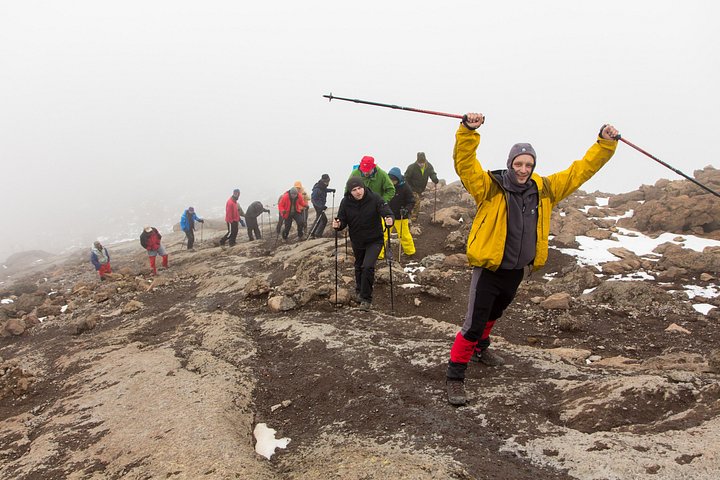
Boots must be waterproof, broken in and warm. Pack in layers: a moisture-wicking base layer, a fleece or mid layer, an insulated jacket and a waterproof shell with trousers. Bring a warm hat, a sun hat, gloves with liners, a buff, thick socks and sunglasses. Summit night is often well below freezing and windy, so the warmest items go in your daypack on the last day. Many operators rent sleeping bags, jackets and poles, which is cheaper than buying if you only need them once.
What goes in your daypack
Water of two to three litres, snacks, sunscreen, lip balm, a head torch with spare batteries, camera, rain jacket, a warm layer and personal medication. Your main bag, usually limited to around fifteen kilograms by porter welfare rules, is carried by the crew.
Understand altitude
Altitude sickness can cause headaches, nausea, dizziness, loss of appetite and poor sleep. Mild symptoms are common, and they usually improve with rest, water and slow movement. Serious symptoms, such as confusion, loss of balance, severe breathlessness or a persistent cough, mean you must descend and tell your guide. Speak to a doctor in advance about medication such as acetazolamide and about any heart, lung or other conditions. Do not take risks to reach the top.
Pace and habits
Walk slowly. The phrase pole pole is a reminder to keep your heart rate low. Drink three to four litres a day, eat even when you are not hungry and take small breaks rather than long rests. Sleep as much as you can, and avoid alcohol in the days before.
Choose the longest sensible route
More days means more time to adapt. Seven or eight days on Lemosho or Machame, or the Northern Circuit, give better odds than five days on Marangu or a fast Umbwe climb. Climbing Mount Meru first is another way to prepare.
Check your operator
Ask about guide ratios, daily oxygen checks, emergency oxygen, first-aid training and fair treatment of porters. Responsible-travel groups publish guidelines on porter pay and loads, and good operators follow them.
Paperwork and insurance
Check passport validity, visa rules and recommended vaccinations with your own government's travel advice. Buy travel insurance that covers trekking to 6,000 metres and emergency evacuation. Keep a copy of your documents and tell someone at home your route.
On the day
Summit night starts around midnight. Eat a warm snack, drink hot tea, keep batteries warm inside your jacket and move slowly. Expect to feel cold, tired and short of breath. Many climbers describe the last hour before sunrise as the hardest and the best.
Food and water on the mountain
The cook will prepare three meals a day plus hot drinks, usually with plenty of carbohydrates, soup, vegetables and some protein. Tell the operator about allergies or vegetarian needs well ahead. Water is boiled or treated; bring your own purification tablets or a filter as a backup and a bladder or bottles that do not freeze solid, ideally kept inside your jacket on summit night.
Mind and morale
Long treks are as much mental as physical. Bring a book, a journal, some music and a few treats, and accept that you will feel grubby, tired and cold at times. Many climbers say that the friendships formed with guides and fellow trekkers are the lasting memory, not the summit photo.
A last-week checklist
Weigh your main bag, pack essentials in your daypack in case luggage is delayed, and carry your boots on the plane rather than checking them. Photocopy your documents, charge power banks, download offline maps and music, and rest well. Arrive in Tanzania at least two days before the climb, drink plenty of water on the flight and keep alcohol to a minimum before the trek begins.