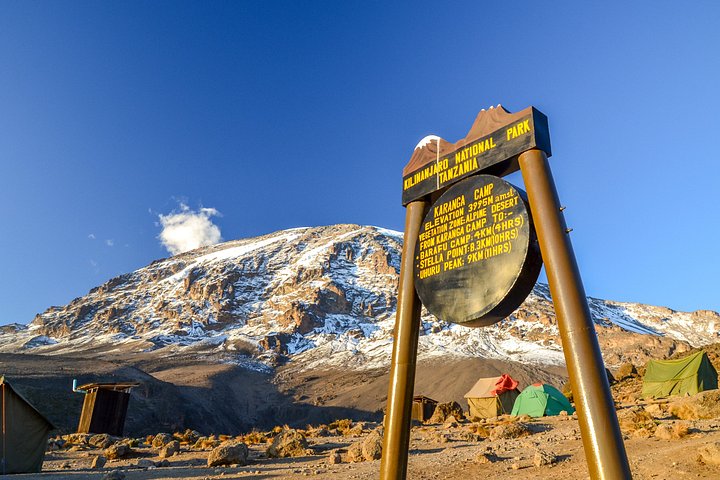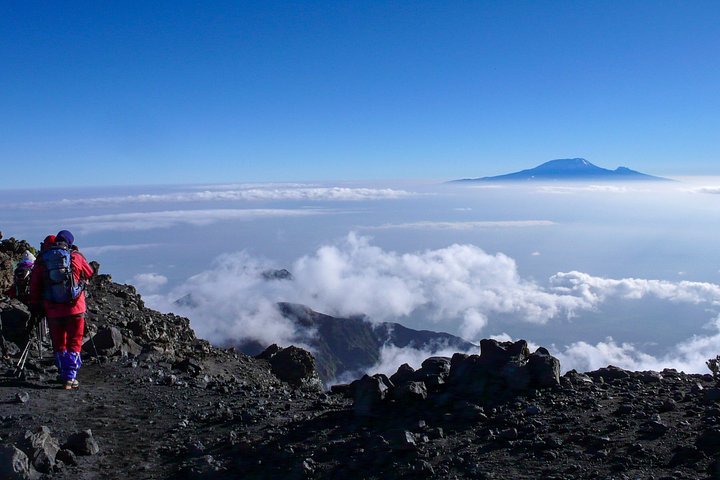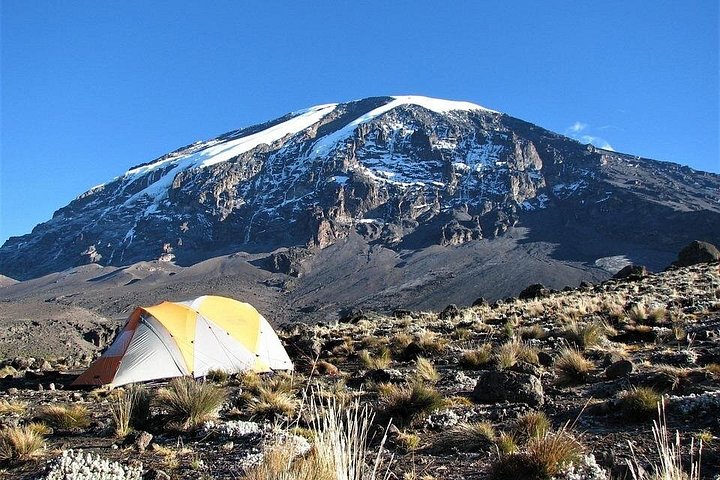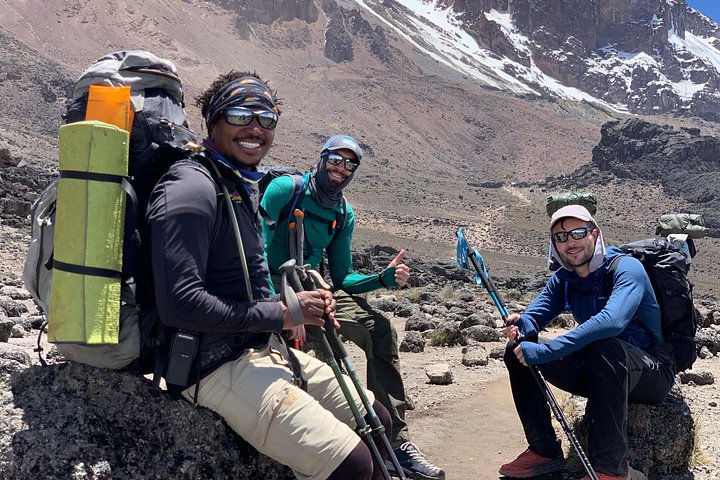
Picking a route is the biggest decision you will make about a Kilimanjaro climb. All routes lead to the same crater rim, and all end with the same cold summit night, but they differ in scenery, crowds, comfort and, above all, how well they let your body adapt to altitude. This guide compares them in plain terms.
Machame
The most popular route and a good all-rounder. It starts at Machame Gate on the south-western side, passes through rainforest and moorland, climbs high to Lava Tower and sleeps low at Barranco, which helps acclimatization. You camp in tents. It takes six or seven days, and the seven-day version is the better option. Expect plenty of other walkers, especially in the dry seasons, but the scenery justifies it.
Lemosho
A western route that starts in quiet forest, crosses the Shira Plateau and then joins the Machame trail. It usually takes seven or eight days, which gives you more time to adapt, and it is quieter in the first half. Many guides regard it as the best choice for a first attempt because of the pacing, although it costs more and needs a longer drive to the start. A private version is also available for small parties.
Marangu
The only route with huts. You sleep in dormitory bunks at Mandara, Horombo and Kibo, and you go up and down by the same trail. It has a gentle gradient and is popular with walkers who do not want to camp. The five-day version has a lower success rate because there is little time to adapt, so choose six days with an extra night at Horombo.
Rongai
The only route from the north, near the Kenyan border. It is drier and quieter than the southern routes, with a gentle slope and wide views, and it descends by the Marangu trail. It takes six or seven days, and the longer plan is better. It is a smart choice in the rainy months.
Umbwe
The steepest and shortest route, which gains height rapidly and leaves little time to adapt. It is best for experienced, very fit trekkers who have been at altitude before. Beginners are better served by Machame or Lemosho.
Shira
A western route that starts high on the Shira Plateau by vehicle, saving a day but raising the altitude risk. Most guides prefer Lemosho unless you are already adapted to altitude.
Northern Circuit
The longest route, with nine or ten days on the mountain, looping around the quiet north side before the summit. The extra time gives it a high success rate, and the north side sees very few people. It costs more because of the extra days.
Which should you choose?
If you want the best odds, pick Lemosho or the Northern Circuit. If you want the classic scenic route, choose Machame with seven days. If you prefer huts, take Marangu for six days. If you want quiet and dry weather, choose Rongai. If you are very experienced, consider Umbwe. For private parties, each route has a private version listed here.
A few cross-route tips
Longer is almost always better for success, so avoid the shortest schedules. Check that your operator includes a pulse oximeter, a first-aid kit and emergency oxygen. Ask how many porters go with your group and whether they are fairly paid. Compare what is included in the price, not just the headline number. Finally, use a gentler day hike, such as the ones on our Arusha pages, to test your fitness before you commit to a long route.
Success rates and what they mean
You will see summit success percentages quoted by operators. Treat them with care, because they are not audited in any consistent way and they depend on who is climbing. What the figures do tell you is that longer schedules tend to do better, which matches what guides say about acclimatization. Ask the company how it calculates its numbers and how many of its guides have summited many times.
Group or private
A group departure is cheaper and sociable, with fixed dates and a mix of ages and abilities. A private departure costs more but gives you control of dates, pace and menus, and the guide can adapt to your party. If you have a mixed-fitness family or a specific date, private is often worth considering. Whichever you choose, ask how big the group will be and how many guides are assigned to it, since a good ratio makes a difference on summit night.
Matching route to season
Pick Rongai or Northern Circuit for the rains, Machame or Lemosho for the dry months, and Marangu if you value a roof over your head in any season. Having a backup plan matters more than having a perfect one.