Kotor can be visited all year, but the experience changes enormously with the seasons. The bay is a deep, sheltered corner of the Adriatic with a rainy mountain behind it, and the right time for you depends on whether you want swimming, hiking, quiet streets or the full buzz of summer. Here is how the year breaks down.
Spring: April to June
This is one of the best times to go. The mountains are green, the days warm up steadily and the bay is calm. April can still be changeable, with showers and cool mornings, but by May the weather is generally pleasant for climbing the walls, walking in the hills and sitting outside at lunch. Sea swimming becomes realistic towards June, though the water is still cool. Most hotels, restaurants and boat operators are open, crowds are manageable and prices are lower than in high summer. Cruise ships begin to arrive in numbers, so check the schedule for the busiest days.
Summer: July and August
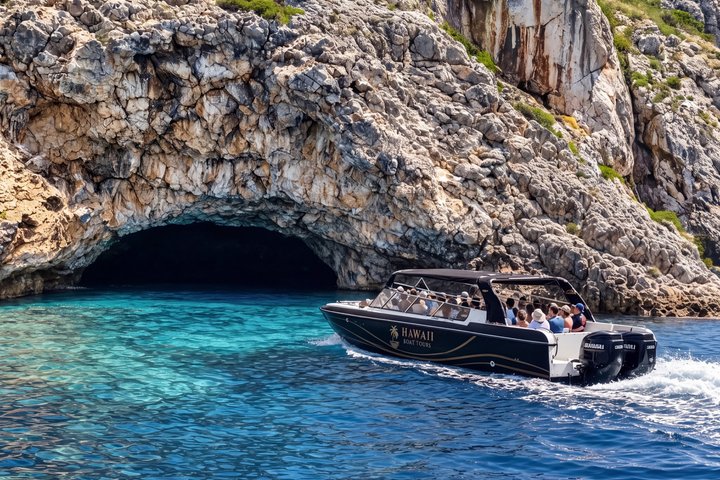
This is peak season, with hot, dry, bright weather, warm sea and long days. It is the best time for swimming, boat trips to the Blue Cave and evenings outdoors, and the bay is lively and full of energy. It is also the busiest and most expensive period. Temperatures in the town can be very high, so climbing the walls is best done at opening time, and the Old Town can be packed on days with several cruise ships. Book hotels, boats and popular restaurants ahead, and use the middle of the day for the water or for a rest. Nights are warm and the squares are at their liveliest.
Autumn: September and October
Many regular visitors consider early autumn the sweet spot. The sea is at its warmest after a summer of sun, the air is gentler and the heaviest crowds have gone. September is superb for swimming, hiking and boat trips, and the light on the mountains is beautiful. October brings more cloud and the first of the heavier rains, and day length shortens, but it is still a good month for sightseeing, with fewer people and cooler walking weather. Cruise ships remain frequent through the autumn.
Winter: November to March
Winter is quiet and atmospheric but damp. The mountains above Kotor are among the rainiest places in Europe, so expect long spells of rain and low cloud, with clearer, crisp days in between. Some mountain tops may have snow. Many seasonal restaurants, boat tours and beach businesses close or run limited schedules, and some museums keep shorter hours. In exchange you get the Old Town almost to yourself, far lower hotel prices and a different, moodier beauty. It is a good time for food, museums and long walks, and a poor one for swimming or the Blue Cave. Bring waterproofs and flexible plans.
Sea and swimming
The sea is comfortable for most people from around June to early October, and warmest from late summer into early autumn. The inner bay is sheltered, so the water is calm, and there are small pebble beaches and swimming platforms along the shore. Beach clubs on the open coast near Budva operate mostly in the warm months.
Cruise-ship days
Kotor is one of the busiest cruise stops in the Adriatic, and ships call from spring through autumn. On days with several large ships the Old Town is crowded from mid-morning to late afternoon. Do the walls at opening, take a boat or mountain trip in the middle of the day and come back to the Old Town in the evening, when it is calm.
Hiking and the walls
The climb to St John Fortress is most comfortable in the cooler months and early in the morning in summer. The Ladder of Kotor and mountain paths are best in spring and autumn, when the days are mild and the trails are clear. Avoid the steep trails in heavy rain or in the heat of the day.
Our recommendation
For the best balance of weather, warm sea, open attractions and manageable crowds, go in late May, June or September. If you love swimming and long evenings and do not mind the crowds, July and August deliver. If you prefer peace, culture and good value, consider a winter visit with a good rain jacket.
Where to stay by season
In summer, hotels with pools or on the shore, such as the Hyatt Regency Kotor Bay Resort, make the heat easier. In cooler months, a cosy Old Town hotel such as Hotel Cattaro is hard to beat.