Kutaisi is the capital of Imereti, a region with its own distinct cuisine, and eating well is one of the great pleasures of a stay. The food is generous, herb-rich and built around cheese, bread, walnuts, beans and grilled meats, and the wine is among the most interesting in Georgia. This guide introduces the dishes to look for and the best ways to taste them.
Khachapuri, Imeretian style
Khachapuri is the national cheese bread, and every region has its own version. In Imereti it is a round, flat loaf filled with a fresh, lightly salted cheese, baked until golden and cut into wedges. It looks plainer than the boat-shaped Adjaruli version of the coast, but the taste is rich and comforting, and it is a staple of breakfast, lunch and snacks. Order one to share as a starter, and notice how cheese quality changes from place to place.
Cheese, bread and the market
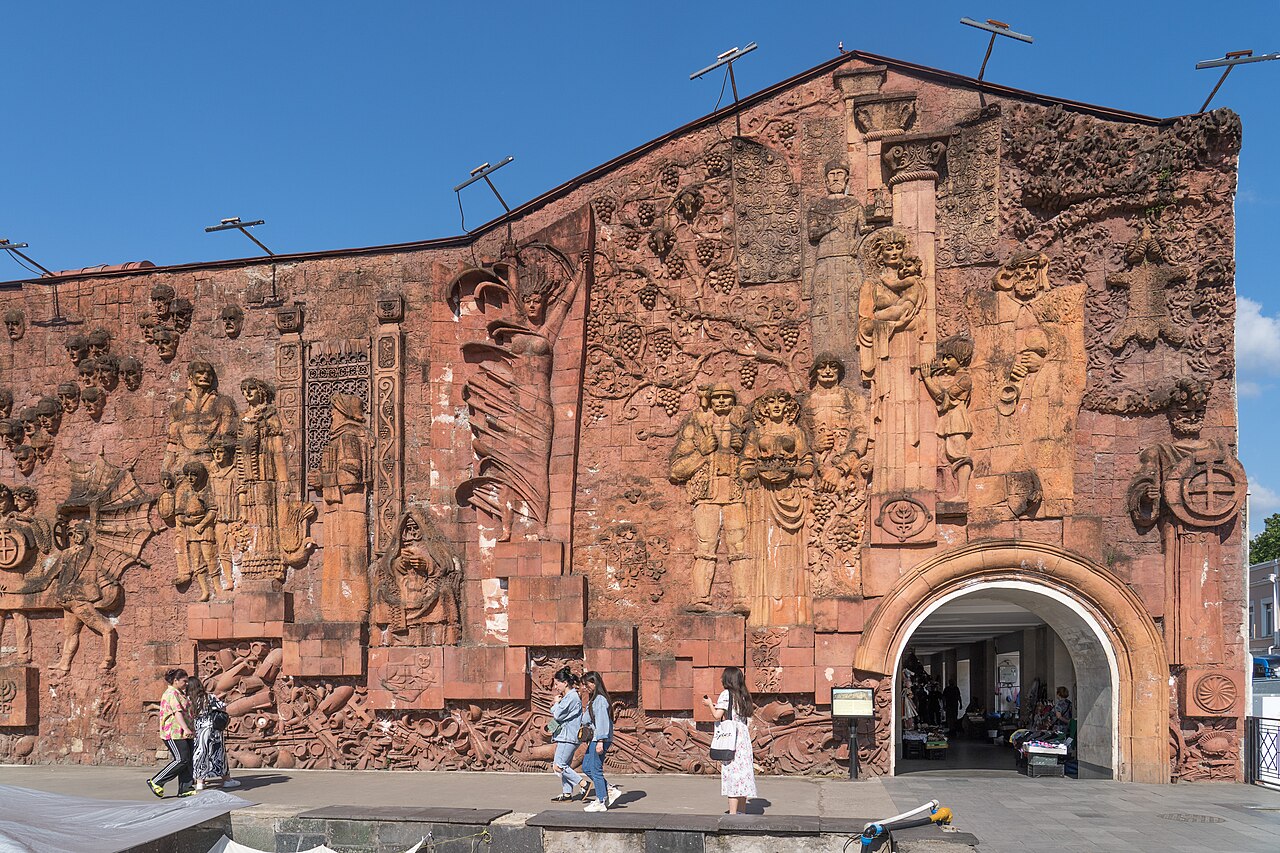
Imeretian cheese is the base of much of the cooking, along with sulguni and smoked varieties. The Green Bazaar is the best place to taste them, alongside warm bread from the bakers, pickles, fresh herbs and spice blends such as Svan salt. Buy small amounts to sample, and ask the sellers how they use each item. It is also a good place to assemble a picnic for a day of canyon walks.
Walnuts, beans and vegetables
Georgian cooking uses walnuts in sauces and fillings, and you will find them in dishes such as badrijani nigvzit, aubergine rolls with walnut paste, and in pkhali, little balls of chopped spinach or beetroot mixed with walnuts and herbs. Lobio, a stew of kidney beans served in a clay pot with cornbread, is a hearty favourite, and vegetarians will find plenty to eat. Ask for seasonal vegetables, which are often grown nearby.
Meat and dumplings
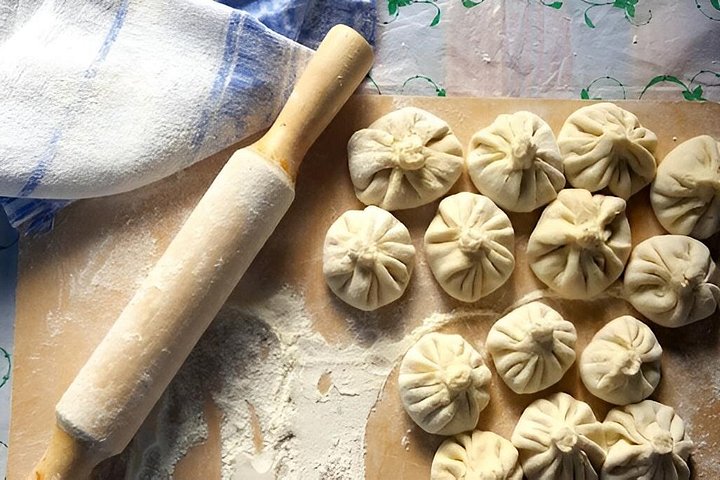
Khinkali, the twisted dumplings filled with spiced meat and broth, come from the mountains but are served across the country. The trick is to hold them by the top knot, bite a small hole to sip the broth, and then eat the rest, leaving the knot on the plate. Grilled meats, called mtsvadi, are served with tkemali plum sauce, and chicken dishes such as satsivi in walnut sauce suit cooler days. In Imereti, a local chicken dish called chkmeruli is often cooked in garlic and milk.
Sweets and snacks
Churchkhela, the candle-shaped sweets made by dipping strings of walnuts in thickened grape juice, are sold in garlands at the market. Fruit leather called tklapi, honey, jams and fresh fruit are good gifts. In cafes, look for pastries filled with cheese or sweet cream, and try the local Georgian coffee made in a small pot.
Wine, the Imeretian way
Imereti is a major wine region with a style of its own. Winemakers here use qvevri, the buried clay jars, but typically leave the white wines on their skins for less time than in Kakheti, giving fresher, lighter results. Look for Tsolikouri and Krakhuna among the whites and Otskhanuri Sapere among the reds. A wine tour from Kutaisi takes you to family cellars where hosts pour straight from the jar. Chacha, a strong grape brandy, often follows a feast.
The supra and the tamada
A traditional Georgian feast, the supra, features a long table of dishes and a toastmaster called the tamada, who leads toasts to peace, family, ancestors and friends. If you are invited to one, take part with good humour, drink slowly, and be ready for generous portions. Some food tours and cooking classes include a mini supra, which is a fun way to experience the custom.
Practical tips
Restaurants are inexpensive by European standards, and portions are large, so order a few dishes to share. Dinner starts late, often after eight. Tipping around ten percent is customary. Vegetarians and vegans can eat well, but check that bean and vegetable dishes are free of meat stock. Tap water is usually fine in the city but many visitors prefer bottled. Finally, accept food and drink offered by hosts; refusing can seem rude, and saying yes is the best way to enjoy Kutaisi.
Where to start
For a first meal, choose a family-run restaurant with a short menu and ask the waiter to recommend three or four dishes to share. A typical order might be Imeretian khachapuri, pkhali, a bean stew, a grilled meat plate and a bottle of local white wine. Prices are low, so you can try more than you would elsewhere, and the staff will usually help you pace the meal. Finish with coffee and a sweet from the market for a proper Kutaisi lunch.