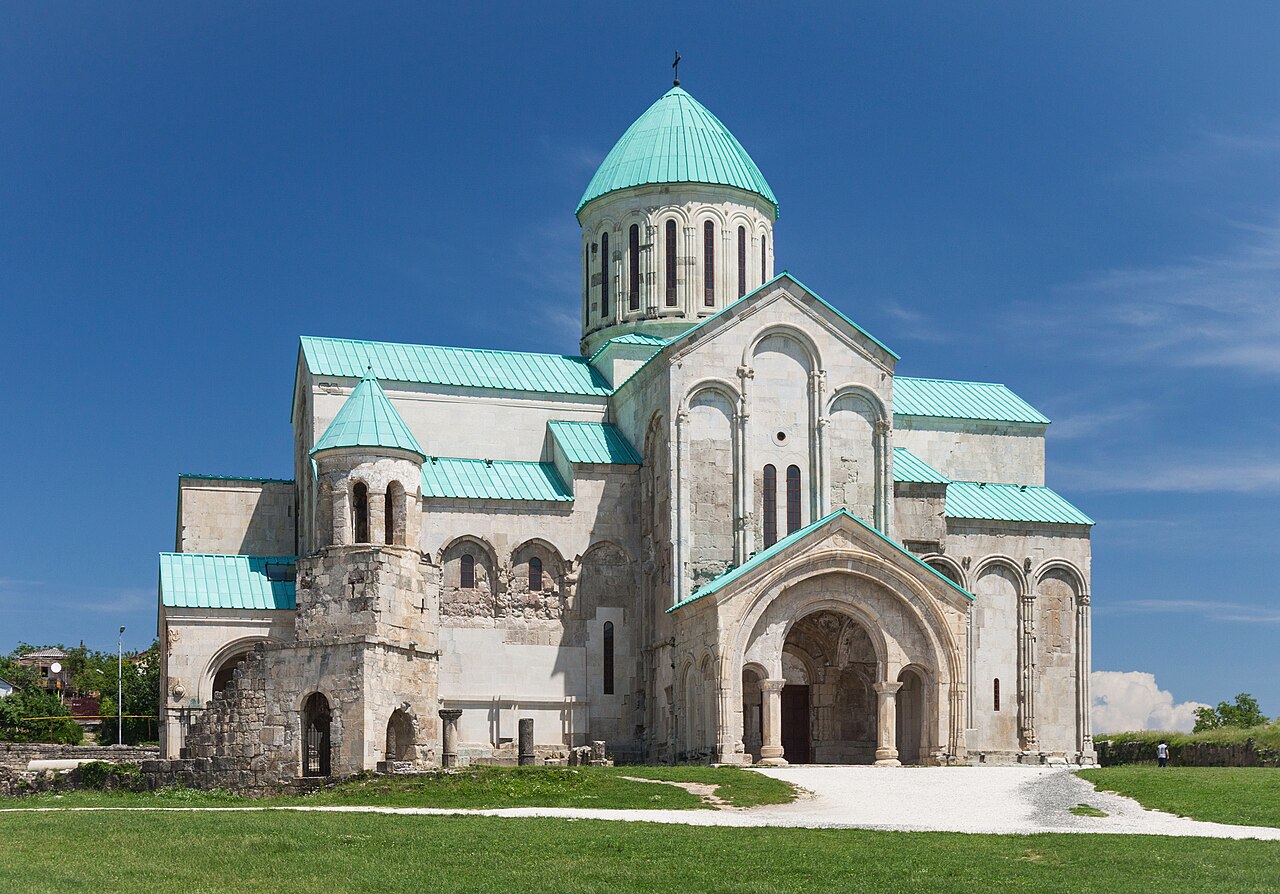
Kutaisi is the old capital of western Georgia, a lively, friendly city on the Rioni River that most travellers meet first through its airport and then underestimate. Many arrive on a budget flight and leave for Tbilisi or Batumi the same day, but the city and its surroundings deserve more. In and around Kutaisi you find medieval churches on forested hills, one of the largest caves in the Caucasus, emerald canyons, a famous market, spa towns from the Soviet era and the beginnings of the road to the high mountains of Svaneti. This guide explains how to plan a first visit.
How long to stay
Two nights is the minimum to see the essentials, and three or four nights is better. The city centre can be covered in half a day, but the sights around it are the main reason to come, and they are spread out. Two nights lets you see Bagrati Cathedral and the market on the first day and do a full day of caves and canyons on the second. Three nights adds Gelati and Motsameta, a wine or cooking experience, and a day trip to Tskaltubo or Chiatura. With four or five nights you can add Racha, Vani or an overnight in Svaneti.
The sights in the city
Start with Bagrati Cathedral on its hill, built in 1003 and visible from almost everywhere. Walk down to the central square, where the Colchis Fountain stands near the Opera and Ballet Theatre, and cross the river bridges to the old quarters. The Kutaisi State Historical Museum has Colchian gold and medieval treasures, the Botanical Garden is a green retreat on the hillside, and the Green Bazaar is the best free experience in town. A guided walking tour on the first morning gives context and a good introduction to the food.
The sights around the city
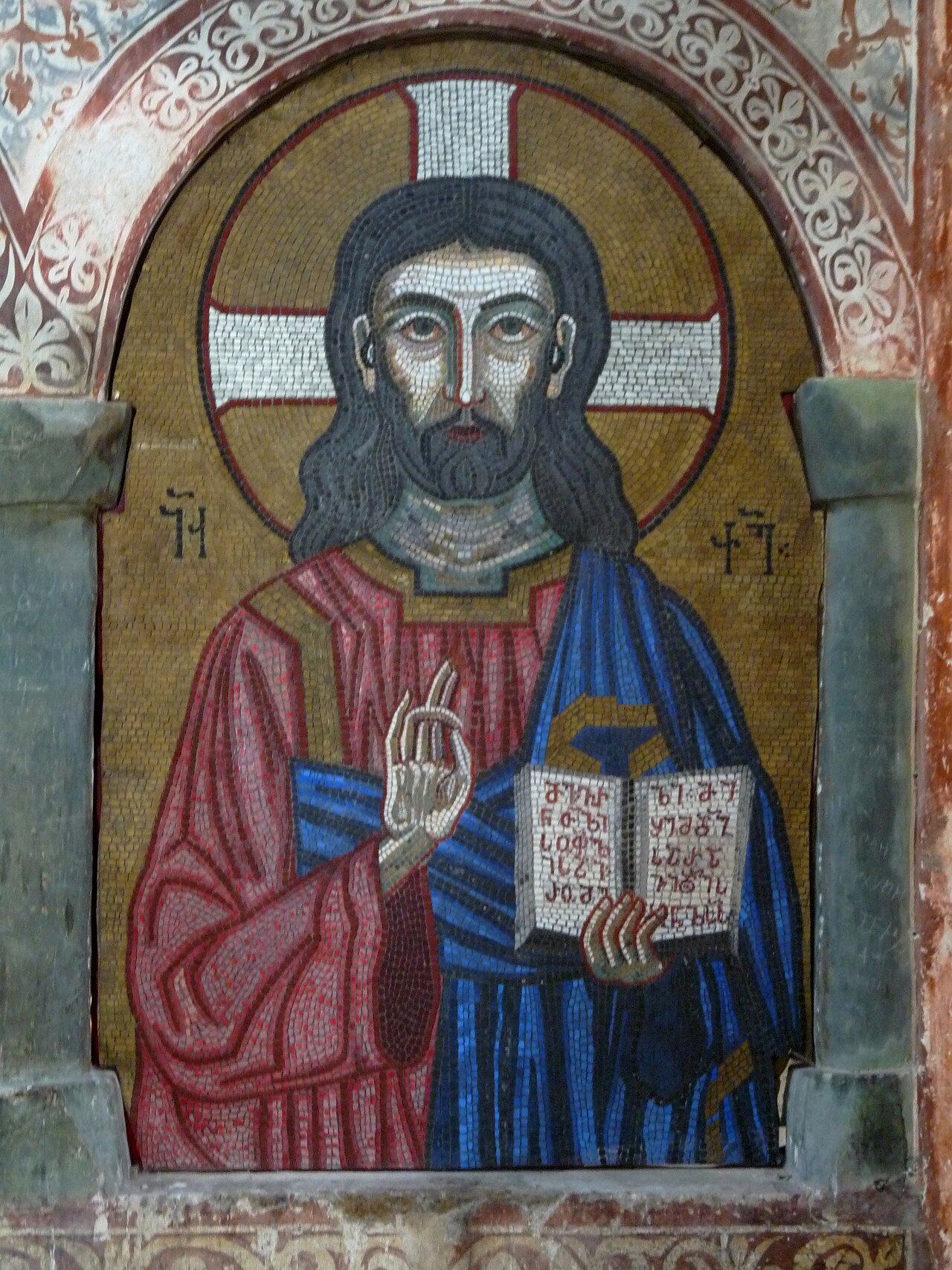
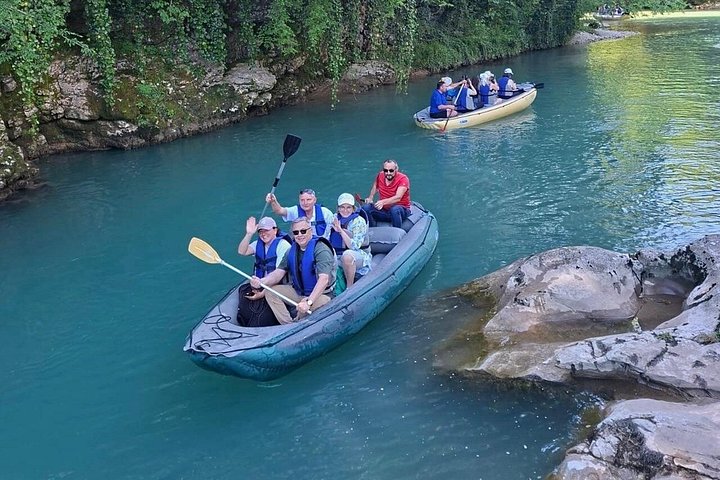
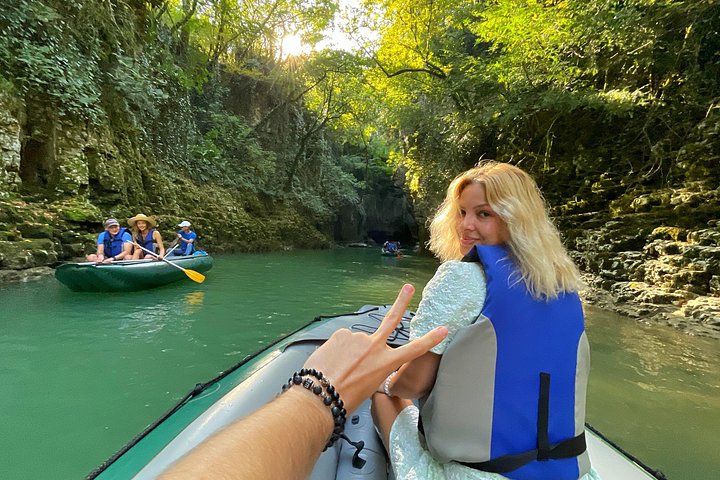
Gelati Monastery, founded in 1106 by King David the Builder, is the finest medieval site in western Georgia, with a golden apse mosaic and the king’s tomb in the gateway. Motsameta Monastery is a small cliff-top church with a legend and a view. Sataplia Nature Reserve has real dinosaur footprints and a small cave, while Prometheus Cave is a huge cave with lit chambers. Martvili and Okatse canyons offer boat rides and hanging walkways. These are the classic day trips, and a single group tour can combine several of them.
What to book ahead
Most things can be arranged on short notice, but some are worth planning. Book the canyons and caves day tour a day or two ahead in summer, because places on small groups fill up. If you want a private driver for Gelati and Motsameta, arrange it the evening before. For Svaneti, reserve early in July and August, as the guesthouses in Mestia and Ushguli are limited. Cooking classes and wine tours are best booked a day in advance. Your hotel can usually help, and online tour products are available for most of these experiences.
Getting around
The city centre is compact and walkable, with taxis cheap and easy to find. Minibuses called marshrutkas connect Kutaisi with nearby towns, but they follow their own schedules, so a tour or a private driver saves time on day trips. Ride-hailing apps work in Kutaisi and are convenient for short trips. If you are confident on mountain roads, a rental car is possible, but many travellers prefer to let someone else drive on the winding routes.
What to wear and bring
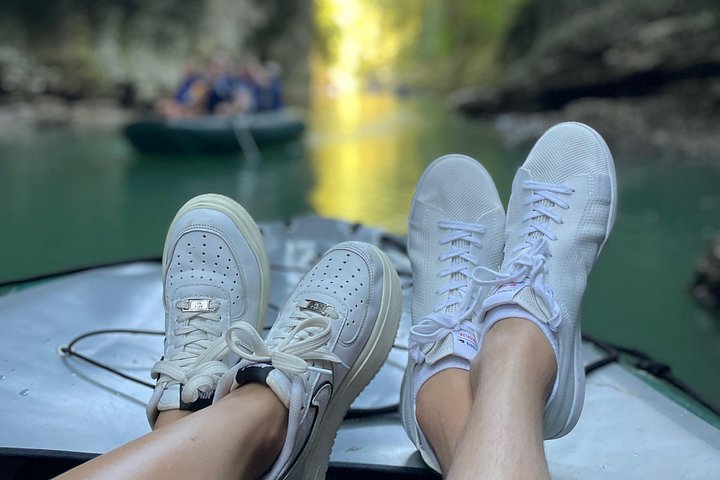
For churches, cover shoulders and knees, and women should carry a light scarf. Comfortable walking shoes with grip are needed for the cave, the canyons and the cobbled hillside streets. A light jacket is useful in the cave even in summer, and a rain layer is wise in spring and autumn, because western Georgia is wetter than the east. Carry some cash in small notes for markets, the boat at Martvili and village stops, since card machines are not universal.
Money and manners
Georgia is welcoming and hospitable, and a few words of the language go far: gamarjoba for hello and madloba for thank you. Tipping of around ten percent in restaurants is appreciated. If you are invited to a supra, a traditional feast, expect toasts and a lot of food, and accept at least a little of everything. Bargaining is mild in markets and not expected in shops. English is spoken in tourist places, but less so in villages, so a translation app helps.
A simple plan
Day one: Bagrati Cathedral, the central square, the museum, the Green Bazaar and an Imeretian dinner. Day two: the canyons and caves day tour, with Prometheus Cave, Martvili and Okatse. Day three: Gelati, Motsameta and Sataplia in the morning, a wine tour or cooking class in the afternoon. Day four: Tskaltubo or Chiatura, or a drive towards Svaneti. Kutaisi rewards unhurried visitors, and the food, the hospitality and the scenery make it easy to stay longer than you meant to.