Three days is the ideal length for a first trip to Kutaisi. It gives you time to see the old town and the market, to do the classic caves and canyons day without feeling rushed, and to visit the medieval monasteries and enjoy some Imeretian food and wine. This itinerary is designed for travellers without a car, using a mix of walking, taxis and tours, and it can be adjusted for weather and energy.
Day one: the old capital
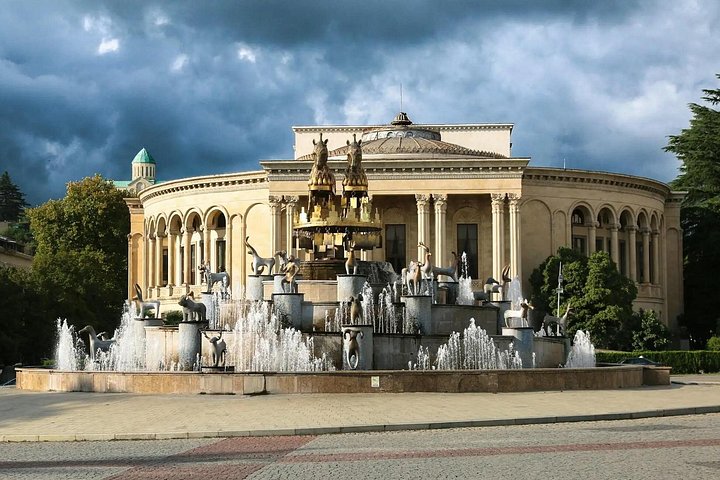
Start with a guided walking tour of the centre, which gives you context and orientation. Begin at the central square with the Colchis Fountain, walk the leafy boulevard past the Drama Theatre and the Opera and Ballet Theatre, and cross the river bridges to the old quarters. The tour usually finishes at the Green Bazaar, where you can taste cheese, bread and churchkhela. After a late lunch and a rest, visit the Kutaisi State Historical Museum, where Colchian gold and medieval treasures fill the galleries.
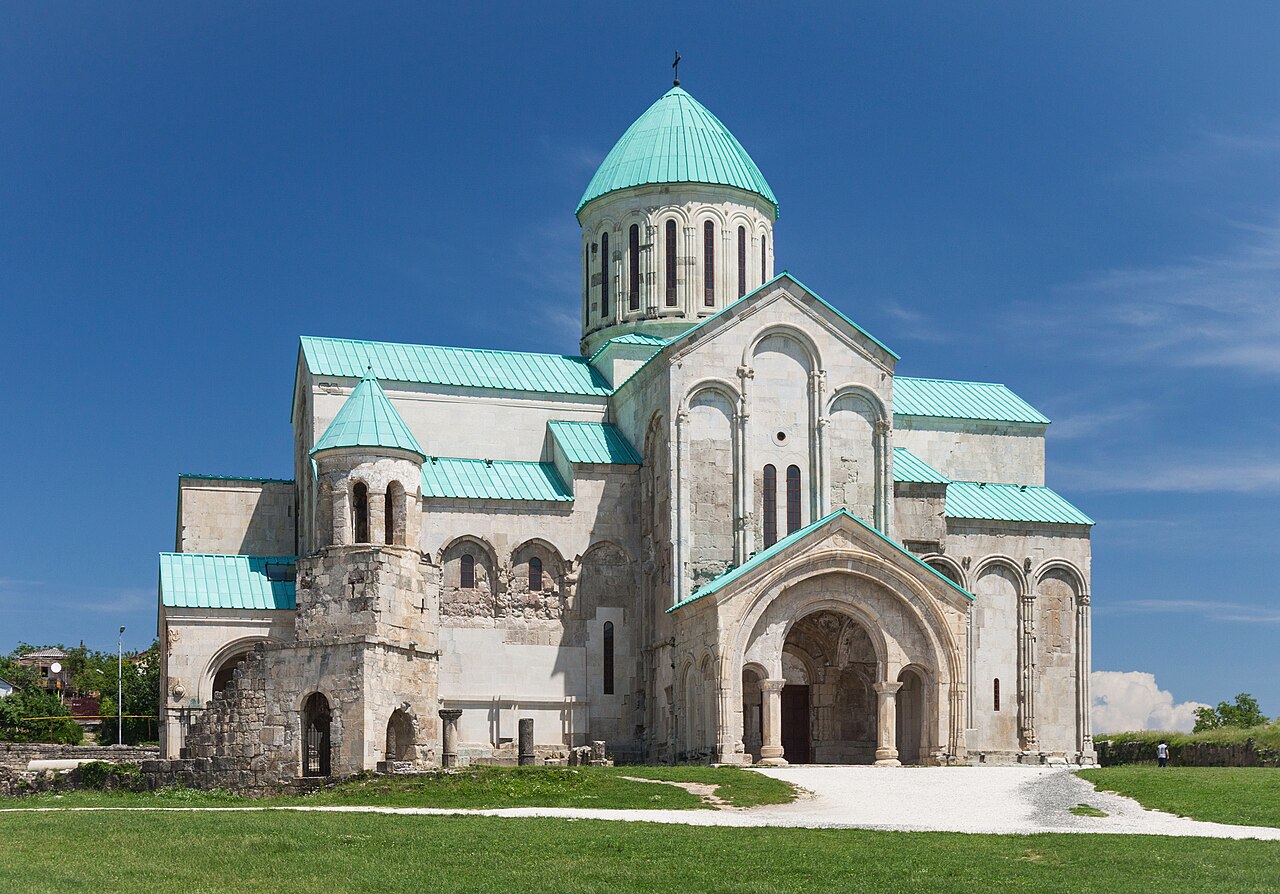
In the late afternoon, walk or take a taxi up to Bagrati Cathedral for the sunset view over the river and the red roofs, and then wander down through the quiet streets to dinner. Choose a restaurant serving Imeretian dishes such as cheese-filled bread, walnut-based sauces, lobio and grilled meats, and order a glass of local white wine made in qvevri. If you have the energy, take a stroll along the illuminated boulevard before bed.
Day two: caves and canyons
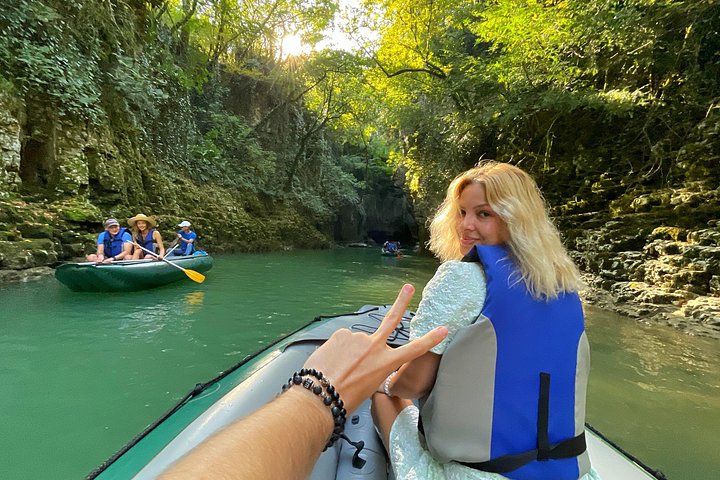
Book a full-day group or private tour that combines Prometheus Cave, Martvili Canyon and Okatse Canyon, and start early. The cave is the first stop in many itineraries, giving you an hour among stalactites, stalagmites and mirror-like pools. Martvili follows, with the boat ride beneath mossy walls, and a Georgian lunch in the countryside. Okatse is the final stop, with a forest walk and a hanging walkway over the gorge. Bring a light jacket for the cave, shoes with grip and cash for the boat and snacks.
If you prefer a gentler pace, split the day: do Sataplia Nature Reserve and Prometheus Cave in the morning, with the dinosaur footprints and the glass-floored viewpoint, and keep the afternoon free. Families with young children often prefer this version. Whichever you choose, be back in Kutaisi in time for a relaxed dinner, and consider a massage or sauna if your hotel has a spa.
Day three: monasteries and a taste of Imereti
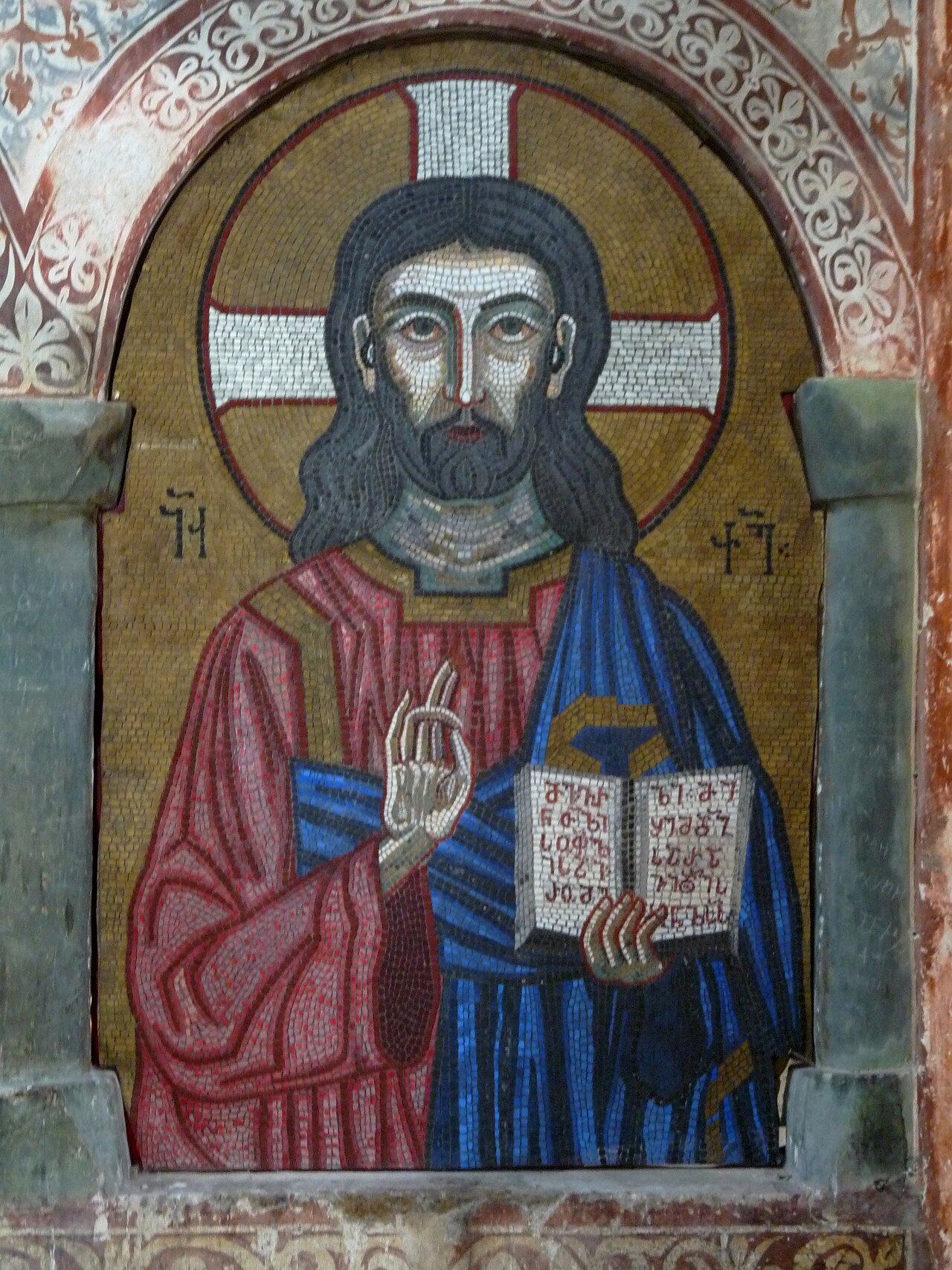
Spend the morning on the religious heritage trio. Gelati Monastery is the highlight, with its golden mosaic and the tomb of King David the Builder. Motsameta Monastery follows, a small church above the river with a legend and a view, and Bagrati can be revisited in better light if you did not stay long on day one. Taxis or a half-day tour make this easy, and the whole circuit takes around four hours.
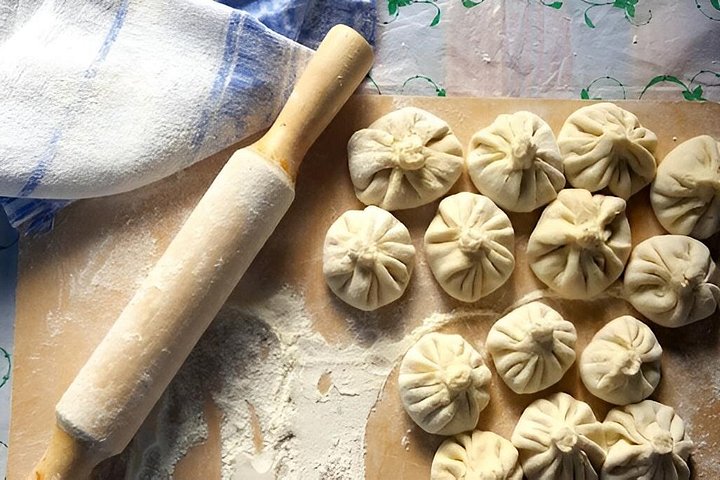
In the afternoon choose a food experience. A Georgian cooking class teaches you to fold khinkali dumplings and shape khachapuri, while a wine tour visits family cellars in nearby villages for tastings from clay qvevri. Both include food and finish in time for dinner, and both are good value. If you would rather relax, spend the afternoon at the Botanical Garden or in a cafe by the river with a book.
If you have more time
A fourth day opens many options: Tskaltubo for its Soviet sanatoriums and thermal baths, Chiatura and the Katskhi Pillar for cable cars and a hermit church, Vani for ancient gold and sulfur baths, or Racha for mountain scenery and Khvanchkara wine. A fifth and sixth day make a two-day trip to Svaneti, Mestia and Ushguli possible. Whatever you add, the three-day core above gives you a balanced introduction to the city and the region.
Practical tips
Wear comfortable shoes, carry cash in small notes, and dress modestly for the churches. Book the day-two tour in advance in summer. Allow a margin in your schedule for weather, because heavy rain can affect canyon paths. Finally, leave time for sitting in a courtyard with a glass of wine; that is part of the Kutaisi experience too.
Rain-day swaps
Western Georgia is wetter than the east, and a grey day should not ruin the plan. Swap the canyon day for the museum, a cooking class and a long lunch, then do the canyons on the next dry morning. The cave is a good wet-weather choice, and so are the spa towns and the market. If you have flexible dates, check the forecast two days ahead and move the outdoor days to the best weather, keeping the indoor experiences as your reserve.