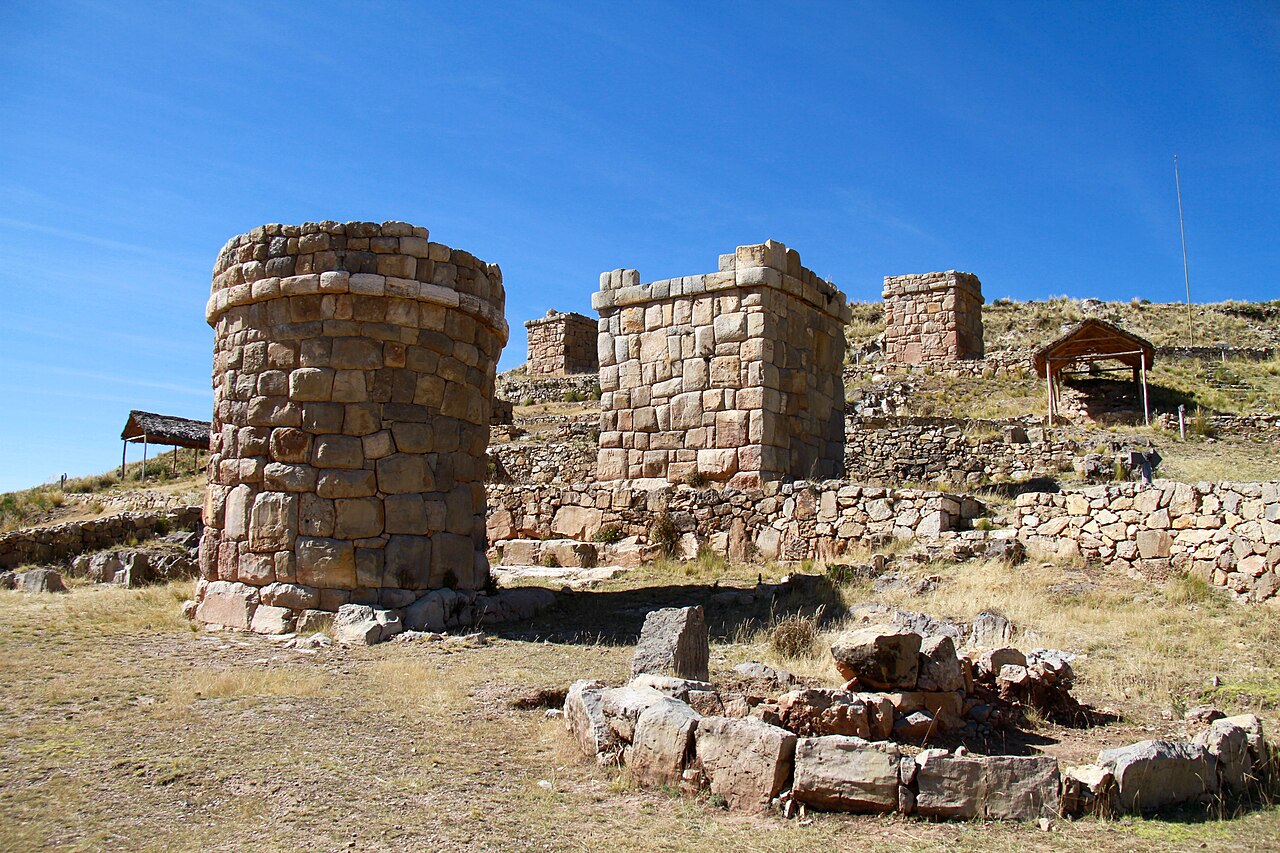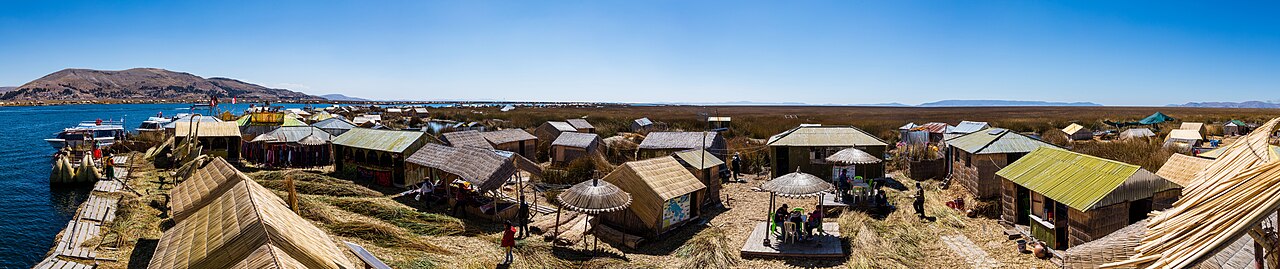
Cycling around Puno is a way to see the lake at a human pace, away from tour buses. Guided bike tours leave from the city or a nearby launch point and follow quiet roads and tracks along the shore, past farmland, reed beds, small villages and viewpoints. Some routes head south toward Chucuito, others explore the lakeside road, and longer rides go into the hills toward Sillustani and Lake Umayo. Tour operators supply mountain bikes, helmets and a support vehicle, and some tours include a visit to a village or a lakeside lunch. The altitude makes every pedal stroke harder than at home, so routes are generally gentle and include plenty of stops. For active travelers, it is an excellent change from long days on boats and in vans.
What a ride looks like
A typical half-day tour covers roughly twenty to thirty kilometers on paved and dirt roads with a few rolling hills. You pass small plots of potatoes and quinoa, women herding sheep and alpacas, and glimpses of the lake through the eucalyptus trees. Guides stop frequently to explain the landscape, point out birds and talk about village life, and the support vehicle can take over when legs or lungs complain. Longer outings, such as rides around Sillustani, add archaeology and open plains.
Altitude and fitness
Puno sits at about 3,830 meters, and breathing is harder than expected. Spend a day or two acclimatizing before a ride, drink plenty of water and go at a relaxed pace. You do not need to be an athlete, but you should be comfortable riding for a few hours. Wear layers, because mornings are cold and the midday sun is strong, and bring sunglasses, sunscreen, gloves and a windproof jacket. Confirm that helmets and well-maintained bikes are provided, and ask about the road traffic on your route.
Choosing a tour
Look for small groups, English-speaking guides and a support vehicle. Half-day rides are a good start, while full-day rides can include lunch in a village. Some operators offer sunrise or sunset rides, which are cool but beautiful. Cycling is weather-dependent, so check the forecast, especially in the wet season, when afternoon storms are common.
A bike ride pairs well with a quieter lake day on foot or by boat, and it gives you a different sense of the landscape than any road tour. It also helps you meet the lake as the people who live beside it do, on the road, at their own speed.
Some practical points keep the ride smooth. Check the bike before you start, adjust the saddle height and test the brakes. Carry a small daypack with a rain jacket, snacks and a spare layer, and use sunscreen and lip balm because the air is dry and the sun fierce. Wear padded gloves and cycling shorts if you have them, and consider a buff to protect your face from dust and wind.
Keep an eye on the traffic on shared roads, particularly near villages, and follow your guide's pace. If the altitude hits you hard, ride in the support vehicle for a stretch and rejoin when you feel better.
What to expect
The experience
A guided mountain bike ride along quiet roads on the shore of Lake Titicaca, with bikes, helmets and a support vehicle provided.
Best time
Mornings in the dry season, when the air is clear and the wind is lighter.
How long
Three hours to a full day, depending on the route.
Tips
Acclimatize first, wear layers and sun protection, carry water and confirm that bikes and helmets are provided.
Quick picks
- Best for
- Active travelers who want a slow, scenic day on the shore.
- Families
- Possible for older children who ride confidently; check minimum ages.
- Couples
- A shared ride along the lake with a lunch stop is a fun change of pace.
- Pair with
- Chucuito and the Aymara Route, or a Sillustani visit.
- Time needed
- A half day or a full day.
Good questions
Do I need to be fit?+
Moderate fitness helps. The altitude makes riding harder, so routes are gentle and include stops.
Are bikes and helmets provided?+
Yes, guided tours supply them. Confirm when you book.
Where do rides go?+
Typical routes follow the lakeshore toward Chucuito or head into the hills near Sillustani and Lake Umayo.
What should I wear?+
Layers, gloves, sunglasses, sunscreen and a windproof jacket.
Is it safe?+
Choose a guided tour with a support vehicle and stay alert for traffic on shared roads.